

news +insights
E-Verify Federal Contractors: GSA and DHS Notify 1,579 Firms
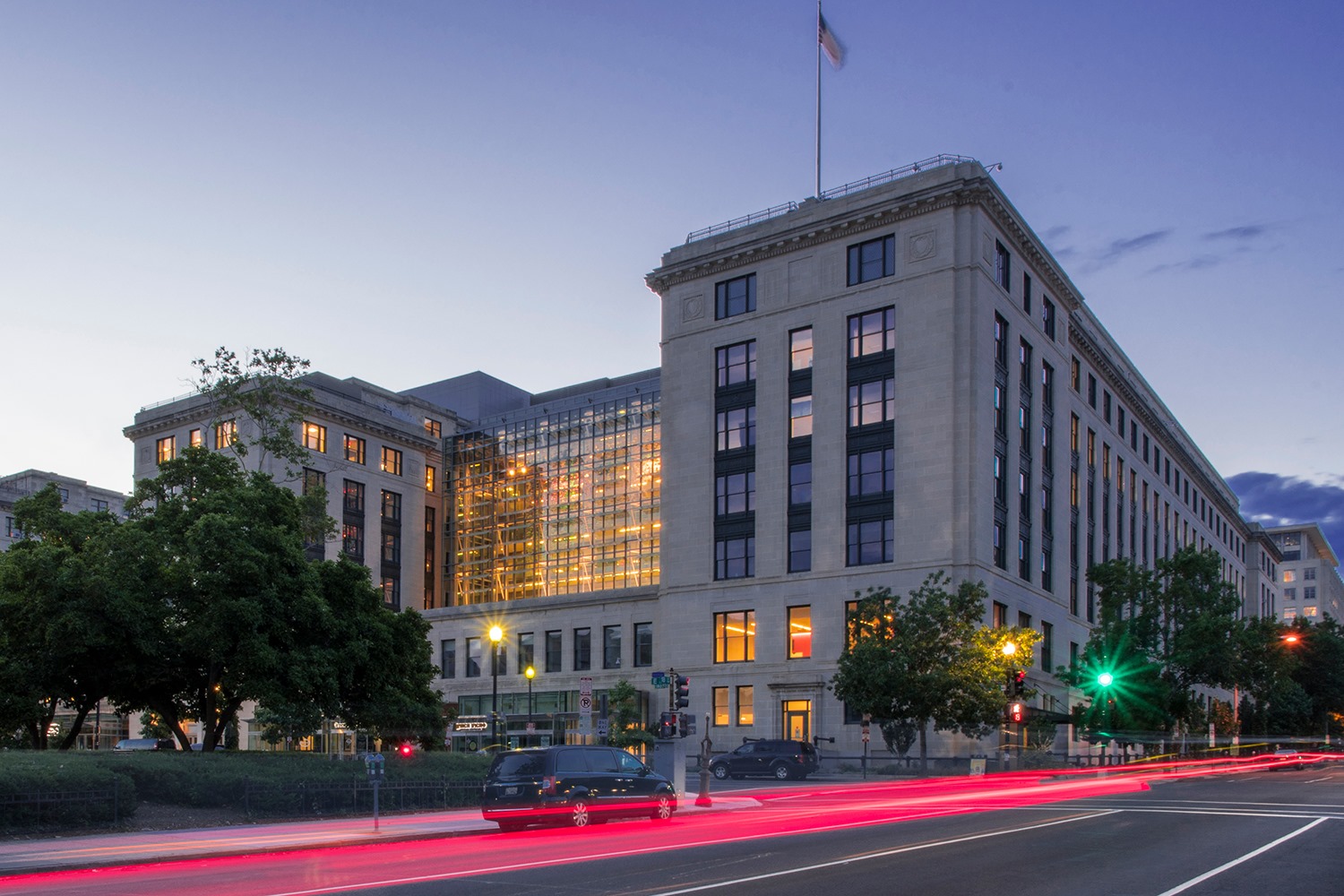
E-Verify enforcement for federal contractors has begun in earnest. The U.S. General Services Administration (GSA) and the Department of Homeland Security (DHS), working with the White House Task Force to Eliminate Fraud, notified 1,579 federal contractors holding more than $50 billion in contracts that they may be out of compliance with E-Verify requirements, and gave each 30 days to respond with proof of compliance (GSA). The notices went out on November 16, 2026 (Construction Dive).
GSA announced the effort on November 19 (GSA). Construction firms are among the many trades that hold federal work, and the sources did not break down how many of the 1,579 firms are contractors in construction.
What Happened
The agencies identified the firms by comparing E-Verify records with federal contract data. According to Construction Dive, the potential problems fall into four groups (Construction Dive):
- The firm is not enrolled in E-Verify.
- The firm’s E-Verify company profile lacks an Employer Identification Number (EIN) or Unique Entity Identifier (UEI).
- The data the firm reported does not match the information tied to its contract.
- The firm has not created required E-Verify cases for covered employees working on the contract.
GSA and DHS also sent letters to agency senior procurement executives urging them to strengthen compliance screening (GSA) and to take a more active role in finding potential violations (Construction Dive). The agencies said the goals are to strengthen oversight of federal spending and identify potential violations (Construction Dive).
What Officials Said
GSA Administrator Edward C. Forst said, “Federal contracts should only be awarded to companies that follow the law” (GSA). DHS Secretary Markwayne Mullin said, “American taxpayer dollars should never be used to employ illegal aliens” (GSA). Scott Brady, executive director of the White House Task Force to Eliminate Fraud, said, “It’s the law and most would agree it’s common sense” (GSA), and added in a separate statement that federal contractors need to make sure they only employ people who may legally work (Construction Dive).
How E-Verify Works
E-Verify is an online system that checks information an employer enters against federal records to confirm that a worker is eligible to work in the United States (Construction Dive). Congress authorized it in 1996, and DHS runs it with the Social Security Administration. Use is mandatory for federal agencies and for covered federal contractors (GSA). For covered contracts, the obligation extends to employees working on the contract, which is why the notices flag missing cases for those workers (Construction Dive).
The enforcement push may not stop at contracts. In May, several agencies proposed a rule that would require E-Verify participation for recipients and subrecipients of federal grants and similar financial assistance (Construction Dive). If adopted, that rule would reach projects funded through federal grants passed down to states, cities and nonprofits. Neither source described penalties for firms that fail to respond, or cited the specific contract clause behind the notices.
Implications for Owners, Developers, Contractors and Subs
- Check the company profile now. Two of the four issues are administrative: missing EIN or UEI data and mismatched contract data (Construction Dive). Federal contractors should confirm their E-Verify profile matches their SAM.gov registration and contract records.
- Close the case gap on federal jobs. Firms enrolled in E-Verify still need cases for covered employees assigned to the contract (Construction Dive). Payroll and HR teams should reconcile project rosters against E-Verify cases.
- Flow-down matters. Primes on federal work should ask subcontractors to confirm their own E-Verify status, since a sub’s gap can become a schedule or compliance problem for the whole team.
- Labor supply pressure. Stricter verification adds to workforce strain in a trade that has leaned on immigrant labor, as WCG covered in Harvard Study: Immigrants Drove All Trades Workforce Growth Since 2013.
- More federal labor rules this season. The notices follow other changes for contractors, including the final DOL independent contractor rule and the January federal contractor minimum wage increase.
What to Watch
- The 30-day response window, which runs into mid-December for notices sent November 16 (Construction Dive).
- Any agency actions against firms that do not respond.
- A final rule on E-Verify for federal grant recipients.
Bottom Line
GSA and DHS have notified 1,579 federal contractors holding more than $50 billion in contracts of possible E-Verify noncompliance, with 30 days to respond. Contractors on federal work should check enrollment, profile data and case creation for covered employees, and confirm their subcontractors have done the same.
Key Questions
How many federal contractors received E-Verify notices?
GSA and DHS notified 1,579 federal contractors, holding more than $50 billion in federal contracts, of potential E-Verify noncompliance in November 2026 (GSA).
How long do contractors have to respond to the E-Verify notices?
Federal contractors that received the GSA and DHS E-Verify notices have 30 days to respond with proof of compliance; the notices were sent November 16, 2026 (Construction Dive).
Is E-Verify mandatory for federal contractors?
Yes. E-Verify is mandatory for federal agencies and covered federal contractors, according to GSA (GSA).
What E-Verify problems did GSA and DHS find?
The E-Verify notices cite firms not enrolled, profiles missing an EIN or UEI, data that does not match contract records and missing cases for covered employees (Construction Dive).
Related Coverage
- Harvard Study: Immigrants Drove All Trades Workforce Growth Since 2013
- DOL Independent Contractor Rule Finalized: Two Core Factors Return
- Federal Contractor Minimum Wage Under EO 13658 Rises to $14.05 on January 6
- Construction’s Triple Labor Crisis: Retirements, Immigration Enforcement, and the Deepening Electrician Shortage
Image credit: U.S. General Services Administration. Image from the source article.
Sources
- U.S. General Services Administration, GSA, DHS Launch E-Verify Enforcement Effort With White House Fraud Task Force, Identifying Over $50 Billion in Potential Noncompliant Federal Contracts, https://www.gsa.gov/about-gsa/newsroom/news-releases/gsa-dhs-launch-everify-enforcement-effort-with-white-house-11192026
- Construction Dive, Trump administration puts more than 1.5K contractors on notice over E-Verify compliance, https://www.constructiondive.com/news/trump-administration-puts-more-than-15k-contractors-on-notice-over-e-verify-compliance/875599/




Let's connect
For organizations planning commercial, industrial, or infrastructure work, we will review the project and recommend the appropriate delivery approach.

Join our team
If you hold yourself to careful, accountable work, you already work the way we do.