

news +insights
Harvard Study: Immigrants Drove All Trades Workforce Growth Since 2013

Immigrants accounted for all of the net growth in the U.S. construction trades workforce from its 2013 low through 2024, and that workforce is still smaller than it was before the Great Recession, according to new research from the Harvard Joint Center for Housing Studies. With net immigration falling sharply, economists told Construction Dive that the trades most dependent on foreign born workers are the most exposed.
What the Research Found
The analysis, by JCHS senior research analyst Riordan Frost and based on American Community Survey data, puts the trades workforce at 6.2 million in 2024 Harvard JCHS. That is up from a trough of 5.8 million in 2013 but still below the 6.9 million of 2007. Foreign born trades workers have surpassed their pre recession level, while native born trades workers remained nearly 800,000 below their 2007 level.
Immigrants made up 35% of trades workers in 2024, compared with 18% of the overall labor force Harvard JCHS. Construction Dive reported that foreign born trades employment rose by 468,000 workers between 2013 and 2024 Construction Dive. "The trades workforce is still not where it was before the recession," Frost said. "But the recovery that it has seen has been because of immigrants."
Which Trades Depend Most on Immigrants
The foreign born share varies widely by trade, and it is highest in physically demanding, lower paid work Harvard JCHS. In 2024:
- Drywall and ceiling tile installers and plasterers: 57% foreign born.
- Roofers and painters: 53%.
- Flooring installers: 51%.
- Construction laborers: 44%.
- Brick, block and stone masons: 39%.
- Carpenters: 35%.
- Plumbers, pipefitters and steamfitters: 18%.
- Electricians: 16%.
- Construction equipment operators: 14%.
Median wage and salary income for all trades workers was $37,000 in 2024, with $32,000 for foreign born workers and $40,000 for native born workers Harvard JCHS. Laborers and carpenters had medians under $35,000, while electricians and plumbers were at $50,000.
The growth patterns split along the same lines. From 2013 to 2024, construction laborers grew by 236,000 workers, with foreign born workers adding 273,000 while the native born count fell by 37,000. Carpenters rose by only 15,000 on net, as 89,000 foreign born additions offset a loss of 74,000 native born carpenters. Electricians grew fastest, by 227,000 or 41%, and plumbers by 116,000 or 26%, with native born workers accounting for more than three quarters of the gains in both Harvard JCHS.
An Aging Pipeline
The research found that nearly all growth in foreign born trades workers since 2013 came among workers 30 and older, and that 76% of foreign born trades workers under 30 arrived within the previous decade Construction Dive. In other words, young immigrant workers have largely been recent arrivals, and few have been entering the trades.
That pipeline is shrinking. Net international migration fell from 2.7 million in 2024 to 1.3 million in 2025, and JCHS said it is projected to fall to 321,000 in 2026 if current trends continue Harvard JCHS. "There's going to be difficulty, I think, filling those lower wage occupations," Frost told Construction Dive. He noted the data cannot separate residential from nonresidential trades workers and is meant as a baseline, not a shortage estimate.
Geography matters too. Immigrants make up about 75% of trades workers in the Miami metro, compared with roughly 6% in St. Louis Construction Dive, which means Florida contractors face far more exposure than firms in many Midwestern markets.
What Contractors Are Reporting
AGC's September workforce survey, cited by Construction Dive, found 87% of respondents had hourly craft openings, and 88% of those said positions were as hard or harder to fill than a year earlier. Twelve percent reported workers leaving or not showing up because of actual or rumored immigration enforcement, and 16% said subcontractors had lost workers Construction Dive. We covered the broader survey in More Firms Cut Staff Than Added It, Yet 87% Still Have Craft Openings.
ABC chief economist Anirban Basu said data center work has concentrated hiring in electrical and HVAC trades, while immigration restrictions mainly constrain less specialized occupations. Softer residential activity, he said, "will not materially help with the availability of those supply constrained occupations." He expects a sustained immigration slowdown to push labor costs and bids higher, though high borrowing costs and weaker demand could temper that. AGC chief economist Ken Simonson added that "shortages of virtually any craft can delay later stages or final completion of a project" Construction Dive.
Implications for Owners, Developers, Contractors and Subs
- Finish trades are the pressure point. Drywall, plaster, roofing, painting and flooring rely most on immigrant labor. Schedules and bids for interiors and envelopes are where shortfalls will show first.
- Late stage delays. As Simonson noted, a shortage in one trade can hold up completion. Owners should look closely at finish phase durations and subcontractor staffing plans.
- Regional exposure differs. Markets like Miami and much of Florida carry far more risk than markets where immigrants are a small share of the trades.
- Workforce development pays back. Native born growth in electrical and plumbing shows that higher paying, credentialed trades can attract new workers. Training and apprenticeship programs for finish trades may need similar investment.
- Price the risk. Contractors should account for labor availability in escalation and schedule assumptions rather than relying on recent productivity.
Bottom Line
The JCHS data shows the trades recovery of the past decade rested on immigrant workers, especially in the lowest paid, most physical jobs. With net immigration projected to drop far below historical levels, the industry faces a supply problem that softer housing demand will not fix, and the effect is likely to show up in finish work, bids and completion dates first.
Related Coverage
- More Firms Cut Staff Than Added It, Yet 87% Still Have Craft Openings
- Construction's Triple Labor Crisis: Retirements, Immigration Enforcement, and the Deepening Electrician Shortage
- Fed Beige Book: Construction Mixed as Costs and Trade Shortages Persist
- Construction Adds 11,000 Jobs in September 2026 as Data Center Trades Lead
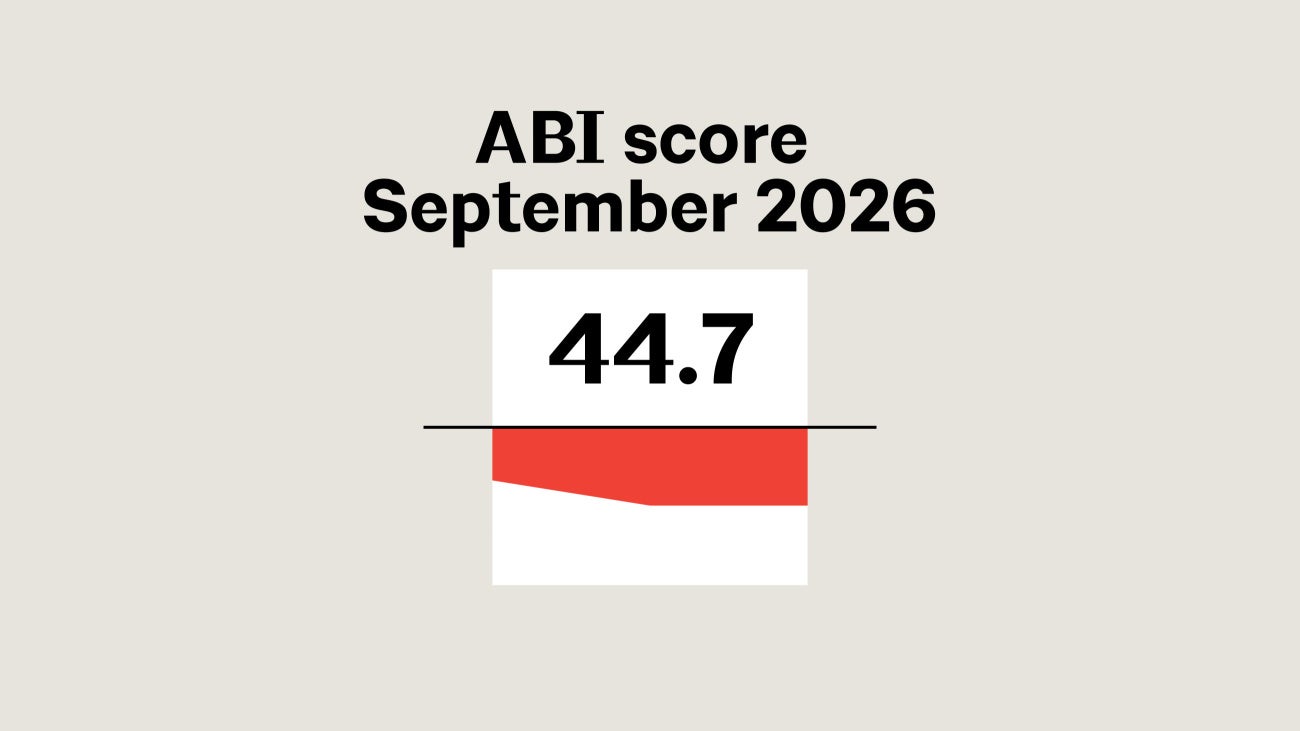
Image credit: Harvard Joint Center for Housing Studies. Image from the source article.
Sources
- Harvard Joint Center for Housing Studies, "Declining Immigration Threatens Labor Supply in the Construction Trades": https://www.jchs.harvard.edu/blog/declining-immigration-threatens-labor-supply-construction-trades
- Construction Dive, "Amid immigration crackdown, US craft workers increasingly older, foreign-born": https://www.constructiondive.com/news/immigration-crackdown-trades-workers-older-foreign/833121/


Let's connect
For organizations planning commercial, industrial, or infrastructure work, we will review the project and recommend the appropriate delivery approach.

Join our team
If you hold yourself to careful, accountable work, you already work the way we do.