
news +insights
Regional Transit Measure Results: Bay Area, Seattle, Charleston Taxes Lead
Regional Transit Measure results from Nov. 3 show Bay Area voters backing a 14-year sales tax for more than 20 transit agencies, while early returns in Seattle and Charleston County, South Carolina, also favored transit and transportation taxes, according to The San Francisco Standard, FOX 13 Seattle and The Post and Courier. Counts were unofficial as of election night, and this is a developing story.
What Happened
Voters across the country decided dozens of transportation-related ballot measures on Nov. 3, covering highway construction, bridge work, public transit funding and local road projects, according to AGC News. Three notable results reported overnight came from the San Francisco Bay Area, Seattle and Charleston County.
Bay Area Regional Transit Measure Results
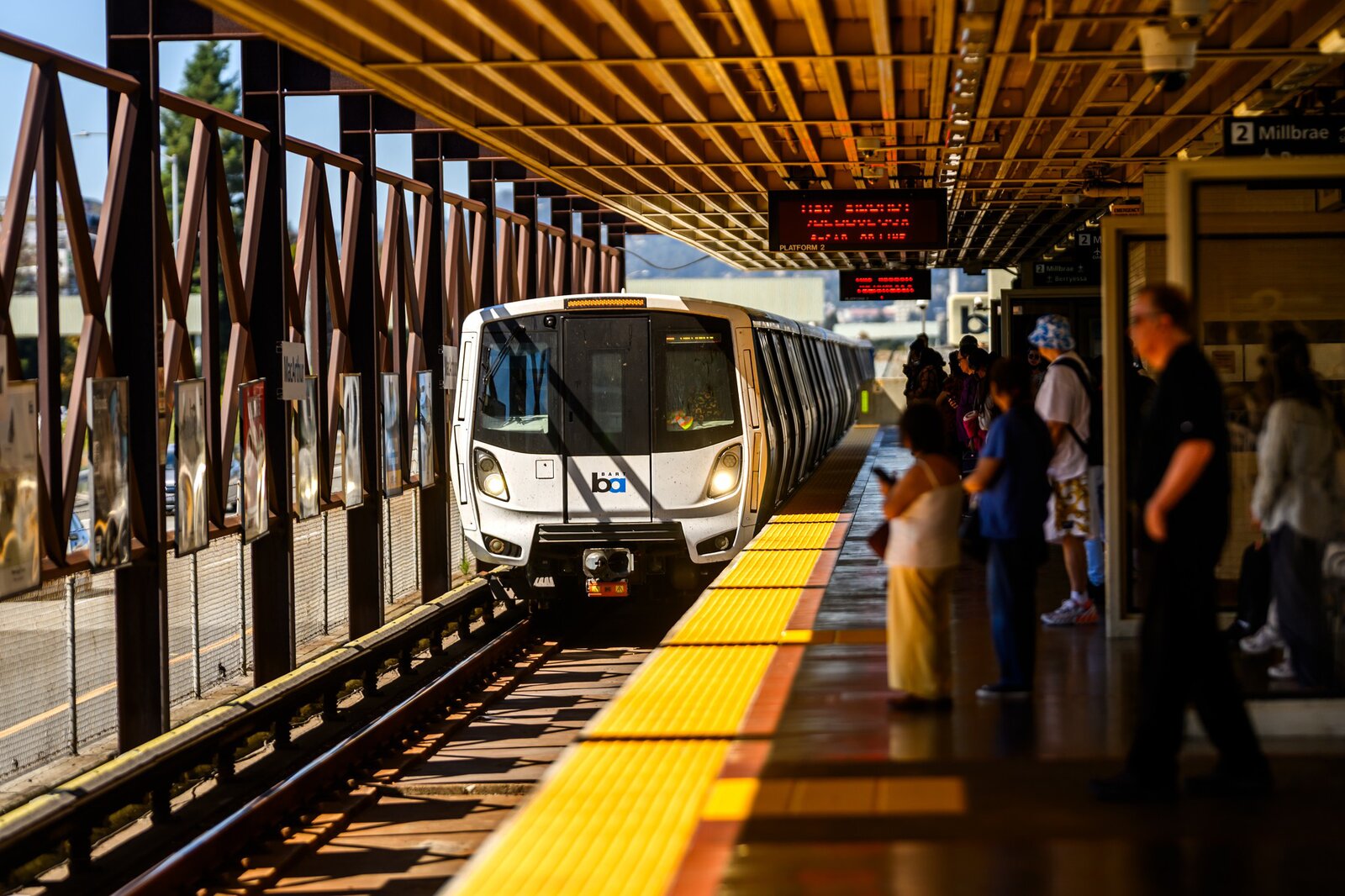
The Regional Transit Measure, listed as Prop. RTM, levies a half-cent sales tax across the region and one cent in San Francisco for 14 years, according to The San Francisco Standard. The tax applies in Alameda, Contra Costa, San Mateo and Santa Clara counties and in San Francisco, starts in April 2027 and is estimated to raise $980 million a year, according to The Almanac. Revenue goes to BART, Muni, Caltrain, AC Transit, the Santa Clara Valley Transportation Authority, San Francisco Bay Ferry, Golden Gate Transit and other agencies in the five counties, and the measure needed a simple majority (The Almanac).
In the votes counted so far, RTM had 61.5 percent yes (698,839 votes) to 38.5 percent no (437,799), and the Standard marked it as passed (The San Francisco Standard). The Standard noted that BART had threatened to shut down in two years if the measure failed. San Francisco voters also backed Proposition H, a 15-year parcel tax for Muni, with 72.4 percent yes in the count reported by the Standard.
Seattle Proposition 1
Seattle’s Proposition 1 doubles the city’s dedicated transit sales tax from 0.15 percent to 0.3 percent, according to FOX 13 Seattle. FOX 13 reported projected revenue of $138 million over 10 years for city transit programs, including expanding King County bus service in Seattle by nearly 50 percent, or roughly 100,000 bus trips, with emphasis on late-night and weekend routes; safety improvements on buses; and the city’s staffing commitments for regional light rail construction. The measure had 72.59 percent yes (134,326 votes) to 27.41 percent no (50,722) on Tuesday night and was on pace to pass (FOX 13 Seattle).
Charleston County Half-Cent Transportation Tax
Charleston County voters were deciding whether to extend the half-cent transportation sales tax first approved in 2004, which is set to expire in 2027; the extension does not raise the rate, according to The Post and Courier. The paper reported projected revenue of $4.25 billion over 25 years, with about $2.7 billion for roads, congestion and safety, about $858 million for CARTA operations and transit, about $690 million for the Greenbelt land preservation program, and $225 million for the western section of the Battery Extension near the Medical District. Other named projects include widening U.S. 17 South in West Ashley, a North Charleston overpass where rail lines cross Rivers Avenue and a redesign of the U.S. 17 and Houston Northcutt Boulevard intersection in Mount Pleasant.
With 60 of 182 precincts reporting by 9:20 p.m., about 65 percent had voted yes, and official certification was expected later in the week (The Post and Courier). Charleston County voters approved an extension in 2016 but rejected a 2024 tax that would have mainly funded the Mark Clark Extension.
In Florida, St. Petersburg voters approved up to $600 million in general obligation bonds for storm resilience on the same ballot, as we reported in our St. Petersburg GO bond update.
Where Things Stand
- Bay Area RTM: half-cent regional sales tax, one cent in San Francisco, 14 years, about $980 million a year, 61.5 percent yes in counted votes (The San Francisco Standard, The Almanac).
- San Francisco Prop. H: 15-year Muni parcel tax, 72.4 percent yes (The San Francisco Standard).
- Seattle Prop. 1: transit sales tax rises to 0.3 percent, $138 million over 10 years, 72.59 percent yes (FOX 13 Seattle).
- Charleston County: half-cent extension, $4.25 billion over 25 years, about 65 percent yes in early returns (The Post and Courier).
Implications for Owners, Developers, Contractors and Subs
- Operations money versus capital money. Much of the Bay Area and Seattle revenue is aimed at keeping service running or expanding it. That protects existing systems, but it is not the same as a new construction pipeline. Contractors should read expenditure plans closely before assuming new capital work.
- Charleston is a capital program. With about $2.7 billion for roads, congestion and safety plus named interchange, widening and overpass projects, the Charleston extension is the most construction-heavy result of the group. Heavy civil, bridge and paving contractors in the Southeast should track the county’s project sequencing.
- Light rail staffing. Seattle’s measure includes city staffing commitments for regional light rail construction, a reminder that owner-side capacity is part of keeping large transit builds on schedule.
- Federal backdrop. Local measures arrive while federal surface transportation funding runs on a short-term extension, which we covered in our report on the December 11 stopgap. Local dollars often serve as the match that unlocks federal grants.
What to Watch
- Certified results in all three jurisdictions as late ballots are counted.
- Expenditure plans and first-year allocations for the Bay Area RTM, which begins collecting in April 2027.
- Charleston County’s schedule for the U.S. 17 South widening, Rivers Avenue overpass and Battery Extension.
- Results of other transportation measures that AGC said were on ballots nationwide.
Bottom Line
Election night returns favored new or extended transit and transportation taxes in the Bay Area, Seattle and Charleston County. The Bay Area and Seattle measures mainly stabilize and expand transit service, while Charleston’s $4.25 billion extension carries the clearest pipeline of road and bridge construction.
Key Questions
Did the Bay Area Regional Transit Measure pass?
The Bay Area Regional Transit Measure had 61.5 percent yes in votes counted on election night, Nov. 3, 2026, and The San Francisco Standard marked it as passed; results were not yet certified (The San Francisco Standard).
How much will the Regional Transit Measure raise?
The Regional Transit Measure is estimated to raise $980 million a year from a half-cent sales tax in Alameda, Contra Costa, San Mateo and Santa Clara counties and a one-cent tax in San Francisco, starting in April 2027 (The Almanac).
What does Seattle Prop 1 fund?
Seattle Proposition 1 raises the city’s transit sales tax from 0.15 percent to 0.3 percent to expand King County bus service in Seattle by nearly 50 percent, improve bus safety and fund city staffing for regional light rail construction (FOX 13 Seattle).
What projects are in the Charleston County transportation sales tax?
The Charleston County half-cent extension would provide about $2.7 billion for roads, congestion and safety, about $858 million for CARTA transit and $225 million for the western Battery Extension, among other uses (The Post and Courier).
Related Coverage
- Update: St. Petersburg GO Bond Passes as Voters Approve $600M for Storm Resilience
- Stopgap Deal Extends Surface Transportation to December 11 but Leaves IIJA Advance Appropriations Behind
- East San Fernando Valley Light Rail Breaks Ground on $2.43B Build
Image credit: Noah Berger for The San Francisco Standard. Image from the source article: The San Francisco Standard.
Sources
- The San Francisco Standard, “Train crash averted: Voters appear likely to approve Regional Transit Measure, Prop. H,” https://sfstandard.com/2026/11/03/bay-area-transit-tax-bart-caltrain/
- The Almanac, “Regional transit measure set to pass,” https://www.almanacnews.com/election/2026/11/03/early-returns-signal-regional-transit-measure-could-pass/
- FOX 13 Seattle, “Seattle Prop. 1 results: Transit sales tax leading in early vote,” https://fox13seattle.com/news/seattle-prop-1-election-results
- The Post and Courier, “Early results show most Charleston County voters choosing to extend transportation sales tax,” https://www.postandcourier.com/politics/charleston-county-election-transportation-sales-tax-infrastructure/article_bbf48652-ee7a-435e-b24c-a1df8a5004b9.html
- AGC News, “Voters Across the U.S. Decide on Transportation Funding November 3,” https://news.agc.org/advocacy/voters-across-the-u-s-decide-on-transportation-funding-november-3/

Let's connect
For organizations planning commercial, industrial, or infrastructure work, we will review the project and recommend the appropriate delivery approach.

Join our team
If you hold yourself to careful, accountable work, you already work the way we do.