
news +insights
Tesla Polysilicon Plant: $3.1B Robstown, Texas Refinery Seeks Tax Break
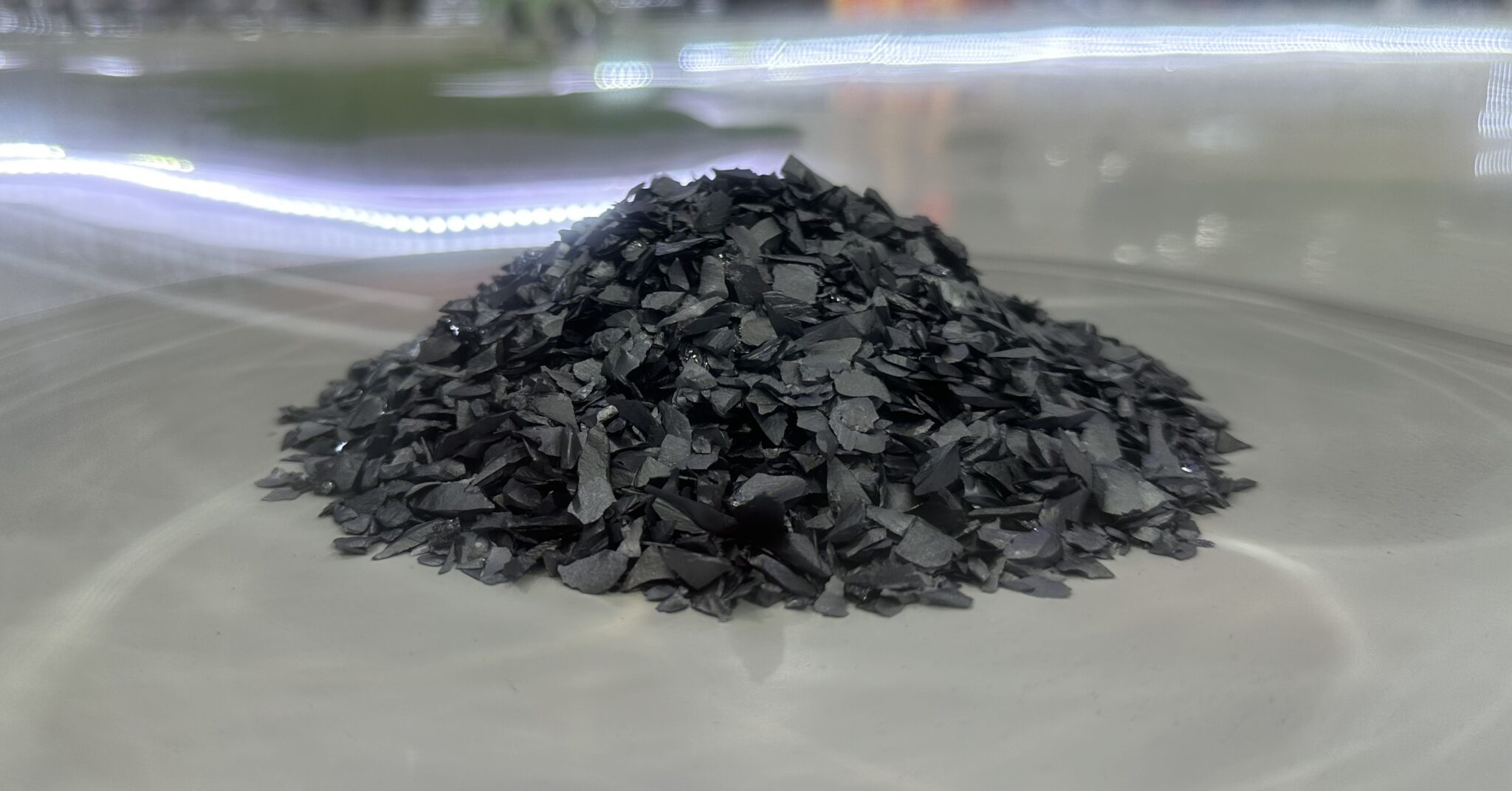
Tesla has proposed a $3.1 billion polysilicon plant near Robstown in Nueces County, Texas, and has asked the state for a school property tax break to build it. The company’s application under the Texas Jobs, Energy, Technology and Innovation (JETI) program, filed with the Tuloso-Midway Independent School District and posted by the Texas Comptroller, says Tesla “would not make the proposed investment in this state” without the agreement (KRIS 6 News). Construction would run from 2027 to 2030, and the plant would employ 515 people by 2032 (pv magazine).
What Happened
KRIS 6 News in Corpus Christi reported the filing on November 18, and pv magazine and Manufacturing Dive followed (Manufacturing Dive). Tesla describes the plant as “under consideration for development” and as the upstream piece of its vertically integrated domestic solar manufacturing platform, and says it is weighing locations in other jurisdictions (pv magazine).
Tuloso-Midway ISD Superintendent Steve VanMatre said the district has been under a nondisclosure agreement with Tesla for about six months and that the investment “is not a guarantee.” The school board has not approved any tax break, and no vote date has been set (KRIS 6 News).
What Would Be Built
- Site: along State Highway 44 between FM 1694 and County Road 61, near Robstown, close to Corpus Christi (KRIS 6 News).
- Product: ultra-high-purity polysilicon for single-crystal ingots and N-type, high-efficiency solar cells. Tesla has not disclosed annual output (pv magazine).
- Process equipment: a hydrochlorination and trichlorosilane synthesis unit, chlorosilane distillation and purification trains, silicon tetrachloride recycling loops and Siemens chemical vapor deposition reactors (pv magazine).
- Budget: an EY analysis in the application splits the cost into $1.5 billion for engineering and construction, $1.4 billion for equipment and $183 million for utility infrastructure, with more than 80% of spending in 2028 and 2029 (pv magazine).
- Jobs: 260 workers in 2030 rising to 515 at full operation in 2032, at average total compensation of $130,000 (pv magazine). KRIS 6 noted the figure includes benefits and the application does not list pay alone (KRIS 6 News).
Reports differ on construction employment. pv magazine, citing the EY analysis, said construction would support an average of 550 direct jobs a year (pv magazine), while Construction Review Online reported about 7,000 construction jobs during the building phase (Construction Review Online). The two figures may measure different things, and the application itself would settle it.
The Tax Break Tesla Wants
JETI lets qualifying projects pay less of the school property tax that covers day-to-day operating costs, though not the tax that repays school building debt (KRIS 6 News). Under Tesla’s proposal, the plant’s buildings and equipment would pay no maintenance and operations tax from 2028 to 2030 and would be taxed on half their value from 2031 to 2040. Tesla’s figures show the district would still collect about $222 million from the plant between 2028 and 2065 (KRIS 6 News).
Tesla said in the application that property tax is one of the most significant recurring costs for the project and has a material effect on how Texas compares with competing sites (Manufacturing Dive). The Comptroller will review the application and make a recommendation, and both the school board and the Governor’s Office must approve any agreement (KRIS 6 News). VanMatre said the board is supportive based on preliminary information (KRIS 6 News).
Why Polysilicon, and Why Now
Tesla’s application says more than 90% of the world’s solar-grade polysilicon is made in China (KRIS 6 News). New U.S. Section 232 tariffs and minimum import prices on polysilicon take effect December 4, along with a 15% duty on imported ingots, wafers, cells and modules (pv magazine). The Robstown plant would sit upstream of Project Crystal Sun, Tesla’s proposed $10.1 billion solar cell and module factory in Fort Bend County, Texas, whose own JETI limitation was backed by its local school board in September (pv magazine).
Texas has become a center for large incentive-backed industrial filings. WCG has covered another JETI-backed Texas buildout in SpaceX’s Terafab Could Reach $119B as Records Fight Heads to Court, and Tesla’s Megapack factory in Brookshire in Battery Plants Pivot: Five U.S. Projects Total $4.2 Billion.
Implications for Owners, Developers, Contractors and Subs
- A chemical-process build, not a warehouse. Trichlorosilane synthesis, distillation trains and CVD reactors point to heavy process piping, hazardous materials handling, specialty gas systems and extensive instrumentation, closer to a chemical plant than a typical factory.
- $1.5 billion in engineering and construction. With most spending in 2028 and 2029 (pv magazine), Coastal Bend contractors would see demand for civil, structural steel, mechanical and electrical crews in the same window as other Gulf Coast industrial work.
- Incentives decide the site. Tesla has said it would not build in Texas without the tax limitation, so the project is not certain until the Comptroller, the school board and the Governor’s Office act.
- Tariffs are reshaping solar supply chains. The December 4 tariffs raise the value of domestic polysilicon, which could prompt more upstream solar manufacturing proposals.
What to Watch
- The Comptroller’s recommendation and a Tuloso-Midway ISD board vote, which has not been scheduled (KRIS 6 News).
- Tesla’s final site decision and any disclosure of plant capacity.
- Progress on Project Crystal Sun in Fort Bend County.
Bottom Line
Tesla is seeking a Texas JETI tax limitation for a proposed $3.1 billion polysilicon plant near Robstown that would employ 515 people by 2032 and feed its planned Texas solar cell factory. Construction from 2027 to 2030 depends on the tax deal, which still needs state and school district approval.
Key Questions
Where is the Tesla polysilicon plant?
Tesla’s proposed $3.1 billion polysilicon plant would be built along State Highway 44 between FM 1694 and County Road 61 near Robstown in Nueces County, Texas, in the Tuloso-Midway school district (KRIS 6 News).
How many jobs will the Tesla polysilicon plant create?
Tesla plans to hire 260 workers at the Robstown polysilicon plant in 2030, rising to 515 at full operation in 2032, at average total compensation of $130,000 (pv magazine).
When would construction start on the Tesla polysilicon plant?
Construction on Tesla’s Robstown polysilicon plant would run from 2027 to 2030 if the JETI tax agreement is approved (KRIS 6 News). No contractor has been named.
Is the Tesla polysilicon plant approved?
No. The Texas Comptroller must review Tesla’s JETI application, and both the Tuloso-Midway ISD board and the Governor’s Office must approve any agreement; no board vote has been scheduled (KRIS 6 News).
Related Coverage
- SpaceX's Terafab Could Reach $119B as Records Fight Heads to Court
- Battery Plants Pivot: Five U.S. Projects Total $4.2 Billion
- $500B in U.S. Factories Under Construction as $3.4T Pipeline Waits
- Industrial Manufacturing Planned Projects Hit 169 in October, a 2026 High
Image credit: pv magazine. Image from the source article.
Sources
- KRIS 6 News, Tesla seeks tax break for $3.1 billion plant in Nueces County, https://www.kristv.com/news/local-news/in-your-neighborhood/nueces-county/tesla-seeks-tax-break-for-3-1-billion-plant-in-nueces-county
- pv magazine, Tesla seeks Texas tax break for $3.1 billion polysilicon plant, https://www.pv-magazine.com/2026/11/19/tesla-seeks-texas-tax-break-for-3-1-billion-polysilicon-plant/
- Manufacturing Dive, Tesla proposes $3.1 billion Texas polysilicon refinery, https://www.manufacturingdive.com/news/LiMiK-Capital-328-million-manufacturing-plant-south-carolina/875286/
- Construction Review Online, $3.1 Billion Tesla Polysilicon Plant in Texas to Support Solar Manufacturing, https://constructionreviewonline.com/tesla-proposes-3-1-billion-polysilicon-plant-in-texas-to-expand-solar-manufacturing/
Let's connect
For organizations planning commercial, industrial, or infrastructure work, we will review the project and recommend the appropriate delivery approach.

Join our team
If you hold yourself to careful, accountable work, you already work the way we do.