
news +insights
St. Petersburg $600M Storm Resilience GO Bond Goes to Voters Nov. 3
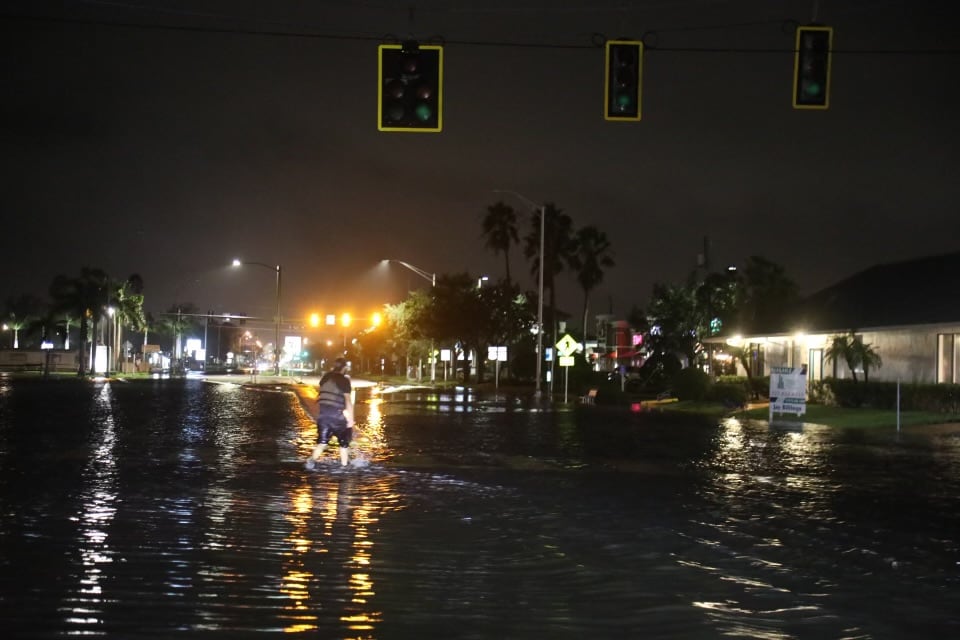
The St. Petersburg GO bond is on the November 3 ballot. City voters will decide whether to authorize up to $600 million in general obligation bonds to speed up storm resilience work on stormwater, wastewater and drinking water systems, and the City Council has added a 12-member citizen oversight committee to watch the spending if the measure passes (City of St. Petersburg; Tampa Bay Beacons).
What Happened
The City Council approved the ballot language on July 23, 2026 (City of St. Petersburg). On October 15, the council approved a 12-member oversight committee made up of four experts and one resident from each of the city’s eight council districts (Tampa Bay Beacons). The committee would review staff reports on spending and schedules, hold a public forum and deliver a written report with concerns or recommendations to the council. It was proposed by Council Member Richie Floyd (Tampa Bay Beacons).
Pinellas County Commissioner Vince Nowicki has asked Florida Attorney General James Uthmeier for an opinion on the referendum, posing six questions that include what limits the city has on spending bond proceeds, which projects are eligible and how the city must disclose changes to the project list (Tampa Bay Beacons).
What the St. Petersburg GO Bond Would Fund
The city says eligible work falls into three groups (City of St. Petersburg):
- Stormwater: drainage upgrades, pump station upgrades and floodwater protection systems.
- Wastewater: collection system and treatment facility upgrades, plus system rehabilitation.
- Drinking water: distribution and supply improvements and reliability upgrades.
More than half of the $600 million is planned to protect water and wastewater utilities from storm surge, which the city says should make outages and sewer spills less likely (City of St. Petersburg). The city describes its project maps as illustrative and subject to change (City of St. Petersburg).
Why the City Is Asking
WUSF reported that two of the city’s three wastewater treatment plants had to stop operating during Hurricane Milton in 2024, and that Hurricane Helene’s seven-foot storm surge forced a shutdown at the Northeast plant (WUSF). The city has identified about $2.7 billion in needed projects under its St. Pete Agile Resilience program, or SPAR, and at the current utility-rate investment that work would take roughly 24 years, according to WUSF (WUSF). Mayor Ken Welch has said the bond would keep the city from shutting off sewage plants during hurricanes, as it did in 2024, when residents could not flush toilets and boil-water notices followed (Tampa Bay Beacons).
The bond builds on smaller resilience projects already in motion, including the city’s $7 million HydroPlanter rain garden drainage project.
Cost to Property Owners
- Tax rate: about 0.96 mills, or roughly $96 a year per $100,000 of taxable value (City of St. Petersburg).
- Term: repayment through a dedicated millage over up to 30 years, with maturities of no more than 30 years from each issue (City of St. Petersburg).
- Issuance: multiple bond series from 2027 to 2030, at an estimated 4.50% interest rate (City of St. Petersburg).
- Interaction with the state ballot: a separate statewide question would cut non-school property taxes on owner-occupied homes; if both pass, residents would pay about $11 more per $100,000 of taxable value, according to Tampa Bay Beacons (Tampa Bay Beacons).
If voters say no, the city says the work will continue through utility fees over a longer period (City of St. Petersburg).
Where Things Stand
Mayoral challenger Charlie Crist opposes the measure, saying he does not want to burden residents with more city debt (Tampa Bay Beacons). Nowicki said he opposes asking residents to approve it unless the legal limits on spending are clear and enforceable (Tampa Bay Beacons). The city says the projects sit within its Capital Improvement Program under council oversight and annual budget review, and that it plans public dashboards, yearly public meetings and a citizen advisory group (City of St. Petersburg).
Implications for Owners, Developers, Contractors and Subs
- Utility and civil contractors: Approval would mean bond series from 2027 through 2030 funding pump stations, treatment plant hardening, collection system rehab and water distribution work, a multi-year pipeline in Pinellas County (City of St. Petersburg).
- Treatment plant specialists: With more than half of the money aimed at protecting water and wastewater plants from surge, process, electrical and floodproofing trades would see the largest share (City of St. Petersburg).
- Property owners: The added cost is about $96 a year per $100,000 of taxable value, which owners may pass to tenants, the city notes (City of St. Petersburg).
- Developers: The city says impact fees do not cover upgrades to aging infrastructure, so the bond would not replace those fees (City of St. Petersburg).
What to Watch
Watch the November 3 result, any attorney general opinion on Nowicki’s questions, the outcome of the statewide property tax question, and, if the bond passes, the first project list and the first bond series in 2027.
Bottom Line
St. Petersburg voters will decide on November 3 whether to borrow up to $600 million to harden water, sewer and drainage systems after the 2024 hurricane shutdowns, at about $96 a year per $100,000 of taxable value, with a new citizen oversight committee in place if it passes (City of St. Petersburg; Tampa Bay Beacons).
Key Questions
What is the St. Petersburg GO bond on the 2026 ballot?
The St. Petersburg GO bond would authorize up to $600 million in general obligation bonds for storm resilience improvements to stormwater, wastewater and drinking water systems, on the November 3, 2026 ballot (City of St. Petersburg).
How much will the St. Petersburg bond cost homeowners?
The city estimates about 0.96 mills, or roughly $96 a year per $100,000 of taxable property value, repaid over up to 30 years (City of St. Petersburg).
What happens if the St. Petersburg bond fails?
If the bond is not approved, the City of St. Petersburg says the projects would continue through utility fees over a longer period (City of St. Petersburg); WUSF reported the full $2.7 billion SPAR list would take roughly 24 years at the current pace (WUSF).
Who will oversee the St. Petersburg bond spending?
The City Council approved a 12-member oversight committee on October 15, 2026, with four experts and one resident from each of the eight council districts (Tampa Bay Beacons).
Related Coverage
- St. Petersburg to Trial HydroPlanter Rain Gardens in $7 Million Drainage Project
- St. Petersburg Gets $173M in Milton Recovery Funds After Federal Error Is Fixed
- Hillsborough County Breaks Ground on a $1.2 Billion Wastewater System, the Largest Public Works Project in Its History
- Fort Lauderdale Opens $666M Prospect Lake Water Plant Delivered Through a P3
Image credit: Lauren Peace/Tampa Bay Times, via Tampa Bay Beacons. Image from the source article.
Sources
- City of St. Petersburg, 2026 General Obligation Bond Referendum, https://www.stpete.org/residents/sustainability/spar/gobond2026.php
- Tampa Bay Beacons, St. Pete approves bond oversight panel at last minute, https://www.tampabaybeacons.com/2026/10/25/st-pete-approves-bond-oversight-panel-at-last-minute/
- WUSF, St. Petersburg voters will be asked to authorize bonds to speed up protecting the city’s utilities, https://www.wusf.org/environment/2026-10-01/st-petersburg-voters-asked-authorize-bonds-speed-up-protecting-utilities



Let's connect
For organizations planning commercial, industrial, or infrastructure work, we will review the project and recommend the appropriate delivery approach.

Join our team
If you hold yourself to careful, accountable work, you already work the way we do.