
news +insights
NYC Construction Spending Set to Hit $79.8B in 2026, Building Congress Says
New York City construction spending is on track to reach $79.8 billion by the end of 2026, a $10 billion increase over last year after adjusting for inflation, according to the New York Building Congress's 2026 to 2028 New York City Construction Outlook released on October 22, 2026 (New York Real Estate Journal).
The report projects $242.9 billion in inflation adjusted spending over the three years through 2028, 16 percent more than the prior three year period, with housing, large commercial projects and continued public infrastructure investment driving the gain (NYREJ).
What the Report Found
- Total spending: $79.8 billion in 2026, rising to $81 billion in 2027 and $82 billion in 2028.
- Residential: Nearly $27 billion in 2026, about 34 percent of total spending, up from 30 percent in 2025. Residential spending over 2026 to 2028 is projected to be 64 percent higher than the prior three years.
- Housing permits: Nearly 31,500 new units expected to be permitted in 2026, compared with 19,724 in 2025, and projections of 32,803 units in 2027 and 34,904 in 2028.
- Non-residential: $29.1 billion in 2026, led by office, educational and entertainment projects. Three licensed casino developments account for about $17.6 billion.
- Government: $23.8 billion in 2026, focused on transportation, public facilities and the MTA's 2025 to 2029 Capital Plan. The MTA is expected to invest about $27 billion in the five boroughs from 2026 through 2028.
- Employment and floorspace: 142,855 private construction jobs in 2026, up more than 2,700 from 2025, and more than 57 million gross square feet of new floorspace, up from about 37 million in 2025, with residential accounting for roughly 72 percent.
(NYREJ)
What Is Driving It
The Real Deal reported that the residential surge is tied to large scale rezonings, a rise in office to residential conversions, and reforms under the City of Yes legislation. It noted that the city has averaged about 20,000 unit authorizations a year over the last five years, which makes the 31,000 plus unit pace a sharp jump (The Real Deal). We have tracked the conversion side of that pipeline in Office-to-Apartment Conversions Hit 90,300 Units: The Construction Pipeline Behind the Boom.
Building Congress President and CEO Carlo Scissura said, "Despite high interest rates and economic uncertainties, building is booming," but also cautioned, "We're still not where we need to be to stem our housing crisis" (The Real Deal). The report flags high interest rates, rising material costs and uncertainty over federal infrastructure funding as the main risks (NYREJ).
Recommendations
The Building Congress called for expanding housing incentives, streamlining permitting and approvals, advancing transit oriented rezonings, investing in workforce development and securing federal transportation funding (NYREJ). The Real Deal noted the report calls for expanding the 485x affordable housing tax break without recommending a specific approach (The Real Deal).
Implications for Owners, Developers, Contractors and Subs
For developers: A permit pipeline more than 50 percent above the recent average means more projects competing for the same trade capacity and material deliveries in 2027 and 2028. Locking in key trades and long lead equipment early becomes more important.
For contractors and subs: Residential work, which the report says will make up about 72 percent of new floorspace this year, will dominate volume. The casino developments and MTA capital work add large non-residential and public packages. Firms based outside the city may find more opportunity as local capacity tightens, particularly in specialty trades.
For the labor market: A forecast of only modest employment growth through 2028 alongside much higher spending suggests productivity, prefabrication and recruiting will matter. Large public programs such as the MTA's $1.9 billion A and C line signal program will draw on the same pool of skilled workers.
What to Watch
- Whether 2026 permit counts actually reach the 31,500 unit forecast by year end.
- Timing of the three casino developments, which account for most of the non-residential figure.
- Federal transportation funding decisions affecting the MTA capital plan.
- Any state action on the 485x tax break.
Bottom Line
New York City construction spending is projected to climb $10 billion this year and keep rising through 2028, with housing permits, casinos and MTA work all contributing. The headwinds are familiar: rates, material costs and federal funding. For anyone working in the downstate market, the report points to a busy and capacity constrained 2027 and 2028.
Related Coverage
- Office-to-Apartment Conversions Hit 90,300 Units: The Construction Pipeline Behind the Boom
- MTA Starts $1.9B A and C Line Signal Replacement, Largest in Its History
- East New York Urban Village Opens 385 Affordable Homes, Tops Out 453 More
- September Construction Starts Dip 1.5% as Commercial Falls 18%
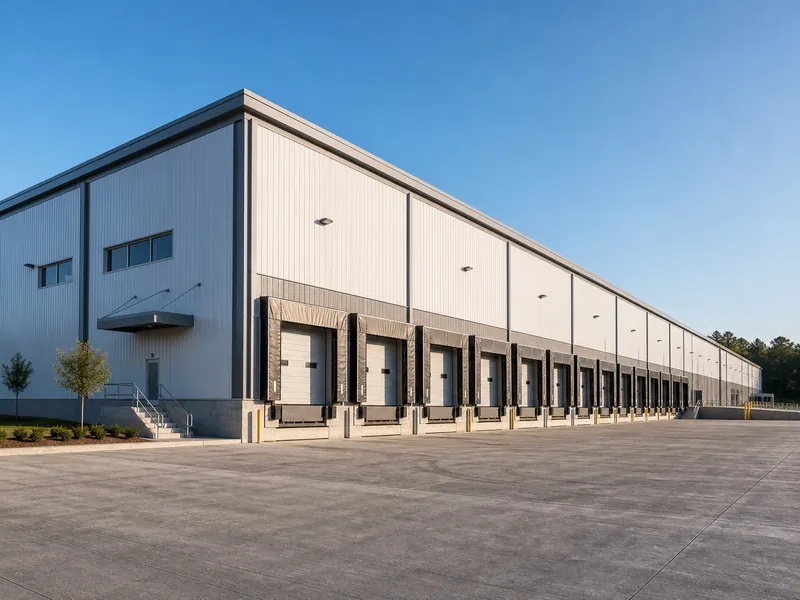
Image credit: New York Real Estate Journal. Image from the source article.
Sources
- New York Real Estate Journal, "New York Building Congress forecasts $10 billion jump in NYC construction spending to nearly $80 billion in 2026": https://nyrej.com/new-york-building-congress-forecasts-10-billion-jump-in-nyc-construction-spending-to-nearly-80-billion-in-2026
- The Real Deal, "Making real progress: NYC construction spending surges amid policy green lights": https://therealdeal.com/new-york/2026/10/22/making-real-progress-nyc-construction-spending-surging/


Let's connect
For organizations planning commercial, industrial, or infrastructure work, we will review the project and recommend the appropriate delivery approach.

Join our team
If you hold yourself to careful, accountable work, you already work the way we do.