
news +insights
Office-to-Apartment Conversions Hit 90,300 Units: The Construction Pipeline Behind the Boom
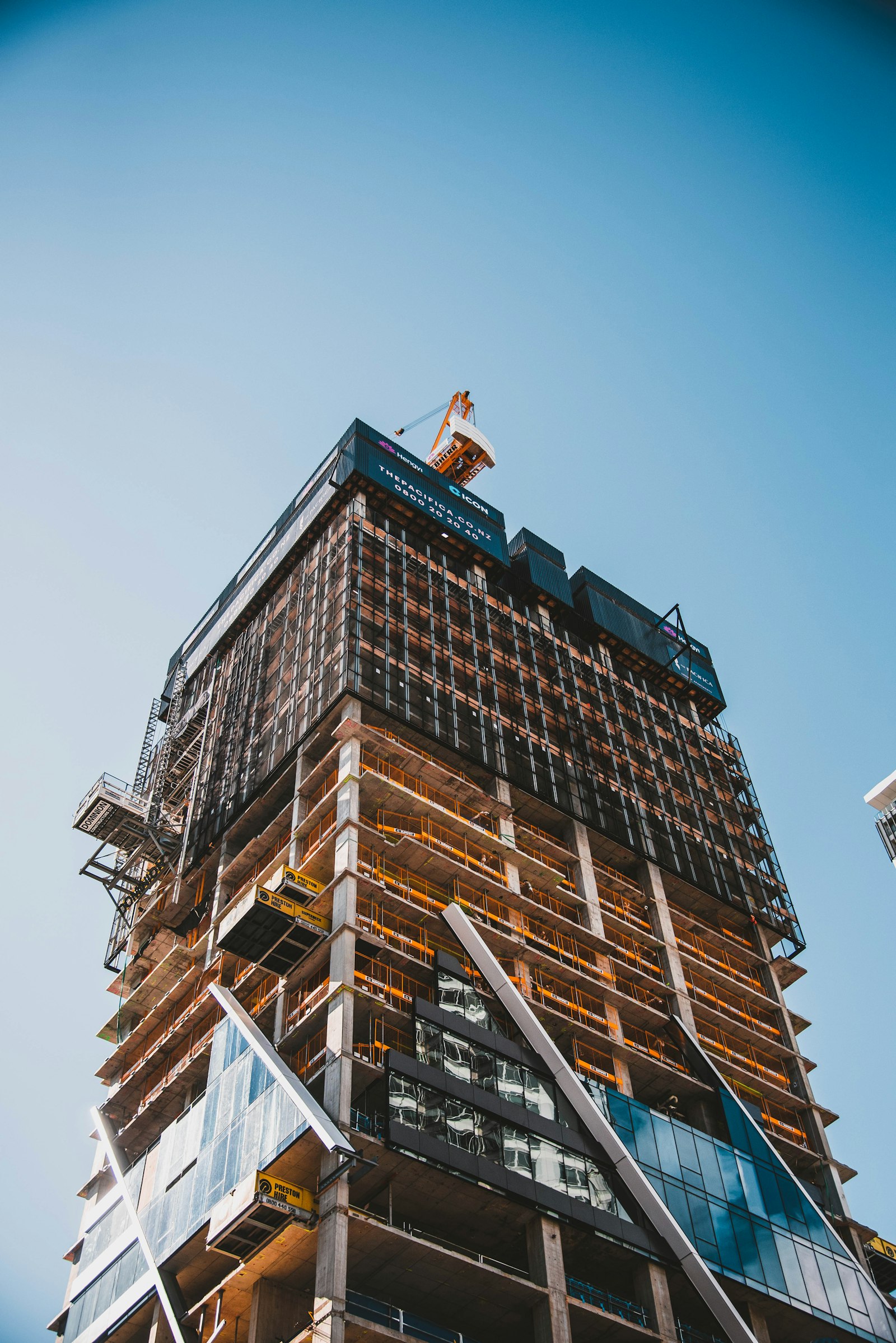
The numbers no longer fit a niche. At the start of 2026, the United States had 90,300 apartment units in the pipeline from office-to-residential conversion projects — a 28% jump from the prior year and a 290% increase since 2022, according to a March 24, 2026 RentCafe analysis of Yardi Matrix data reported by Smart Cities Dive. What began as a creative response to pandemic-era vacancy has become one of the most active construction categories in the country, reshaping urban skylines, driving complex structural work, and generating a pipeline that now rivals some metropolitan housing construction programs in scale.
The Geography of Conversion Construction
New York City dominates by a wide margin. The city had 16,358 conversion units in the pipeline as of early 2026, according to RentCafe data — roughly double the volume of a year earlier. New York State has supported this with a property tax exemption for qualifying office-to-residential conversions requiring income restrictions on at least 25% of new apartments.
Washington, D.C. ranked second with 8,479 units, followed by Chicago with 4,360 units, Los Angeles with 4,340, Dallas with 3,966, Denver with 2,991, Philadelphia with 2,697, Atlanta with 2,642, Cleveland with 1,771, and Cincinnati with 1,770. The geographic spread is significant: this is no longer a coastal gateway city phenomenon. Dallas, Atlanta, Cleveland, and Cincinnati all represent major Midwest and Sun Belt markets where office vacancy and housing demand are intersecting at a meaningful scale.
Office buildings now account for 47% of all future conversion projects nationwide, with hotels at 18% and industrial properties at 16%, per the RentCafe data. The shift toward offices reflects a structural vacancy problem that has persisted since 2020. National office vacancy stood at just under 20% at the start of 2025, according to the same analysis, while physical building occupancy hovered around 50% in many markets — meaning buildings that are nominally occupied are still largely empty half the time.
Why Conversion Is Hard Construction Work
Office-to-residential conversion is not renovation. It is a fundamentally different type of project that requires construction teams to solve problems that were never part of the original building design. Commercial office buildings are typically built around deep floor plates — often 80 to 120 feet or more from window to core — that violate basic residential livability standards when left intact. Creating apartments that have natural light and ventilation from every unit requires cutting light wells, modifying floor plates, or configuring units in creative ways that add significant structural complexity.
Plumbing is perhaps the most difficult constraint. Commercial buildings have one or two central utility cores with limited wet wall locations, while residential buildings require kitchens and bathrooms in every unit, spread across the floor plate. Running new plumbing stacks through existing concrete floors and installing drainage systems in buildings not designed to accommodate them is expensive and labor-intensive work. Mechanical and electrical systems must be completely redesigned for residential occupancy, HVAC systems rebuilt from scratch, and fire suppression systems upgraded to meet current residential codes.
The NAIOP Research Foundation's April 2026 analysis of conversion economics identified these factors as the primary reason delivery lags the pipeline so significantly. Boston, for example, had 29 buildings approved for conversion in its incentive program, with roughly 1.5 million square feet and more than 1,700 planned units — but as of early 2026, only one project had opened and six were under active construction. The gap between approvals and completions reflects the genuine difficulty and duration of conversion work.
Policy Incentives Driving New Construction Starts
Cities are actively using financial incentives to accelerate conversion construction. J.P. Morgan's February 2026 analysis of conversion markets documented the range of available tools: Washington, D.C.'s Housing in Downtown program offers a 20-year tax abatement for commercial-to-residential conversion projects with a goal of adding 15,000 new downtown residents by 2028; Chicago approved $260 million in tax increment financing for five downtown office-to-residential projects as of October 2025, with 30% of units required to be affordable; Boston provides a 75% tax abatement for qualifying conversion projects; and San Francisco exempts downtown conversion buildings from certain housing requirements through 2030.
At the federal level, the March 13, 2026 White House executive order on removing regulatory barriers to affordable housing construction specifically cited adaptive reuse as an area where NEPA categorical exclusions should be maximized — potentially streamlining federal environmental review for conversion projects that involve historic buildings or federally assisted financing.
New York State is also considering extending its conversion incentive program to cities beyond New York City. Buffalo Mayor Sean Ryan was among the officials supporting a proposed expansion of refundable tax credits for office conversions to Albany, Buffalo, and other upstate communities. "Buffalo is facing two difficult realities at the same time: a shortage of housing that people can afford and underutilized office space in our downtown," Ryan said in a March 2026 statement. "Conversions like these are the creative tools that Buffalo needs to meet the challenges of the present day."
What the Pipeline Means for Builders
A pipeline of 90,300 units does not translate to 90,300 units delivered quickly. Conversion projects carry some of the longest timelines of any residential construction type because discovery work — identifying hidden structural conditions, asbestos, outdated wiring, and mechanical surprises — happens progressively rather than all at once. Projects that enter construction with a three-year schedule frequently extend to five or more years. The gap between the pipeline and actual deliveries means demand for skilled conversion contractors — particularly those with experience in structural modification, historic building rehabilitation, and complex MEP retrofits — will remain elevated for years.
The construction labor implications are real. Conversion work is more labor-intensive per square foot than new residential construction. It demands higher skill levels across every trade, cannot take advantage of repetitive floor plate efficiencies, and requires more coordination between structural, mechanical, and architectural teams than typical multifamily work. Contractors who have built expertise in adaptive reuse are positioned to capture a growing and relatively price-inelastic market, as the urban locations and existing structures that define conversion projects cannot be replicated by building on vacant land.
Sources
J.P. Morgan — What to know about office-to-residential conversion (February 27, 2026)
Multifamily Dive — Where to find incentives for conversion projects (February 2025, updated)


Let's connect
For organizations planning commercial, industrial, or infrastructure work, we will review the project and recommend the appropriate delivery approach.

Join our team
If you hold yourself to careful, accountable work, you already work the way we do.