

news +insights
Data Center Ballot Measures: Voters Back Limits in Nearly Every 2026 Local Vote
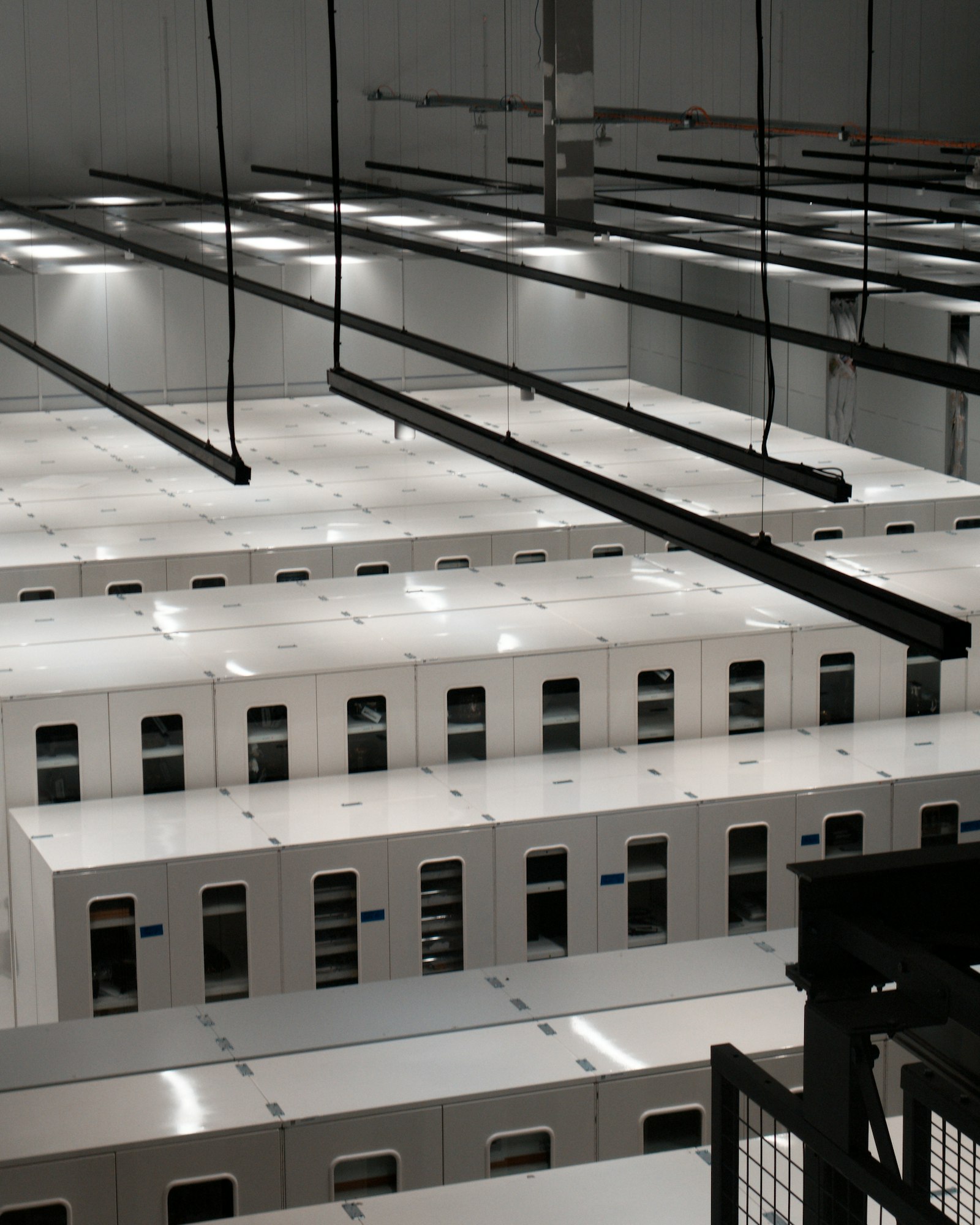
Data center ballot measures went almost entirely against new development in the November 3, 2026 midterm elections: opponents won virtually all of about 40 local votes across 10 states, according to preliminary results compiled by datacentersontheballot.com and reported by Route Fifty. Experts now expect more zoning changes, moratoriums and state-level proposals, while a change in congressional control adds new uncertainty for both data center work and the federal transportation bill (Construction Dive).
What Happened
Local questions on data centers appeared on ballots in towns, cities and counties in at least 10 states. Route Fifty reported that opponents won virtually all of roughly 40 measures, noting that some of the votes are advisory and do not bind local officials (Route Fifty). A Smart Cities Dive report republished by Construction Dive put the count at 41 local ballot measures, citing Ben Heininger, U.S. data center lead in the energy and resources practice at Baringa, and described dozens of localities in 10 states voting to ban or pause development (Construction Dive). The two outlets differ slightly on the total, and results were still preliminary when both reports were published.
Ohio had the most votes. Almost 20 towns, cities and counties there decided questions ranging from outright bans to zoning changes, and opponents of data centers won every Ohio race, according to Route Fifty. The same outlet noted that a statewide constitutional amendment on the issue could reach Ohio voters in 2027.
Other results reported by Route Fifty include:
- Emporia, Kansas: voters passed a ban on “high impact data centers” with just over 60% of the vote. The definition covers facilities with a peak electrical load above 10 megawatts or a daily water draw above 100,000 gallons.
- Alhambra, California: in the state's only data center question this cycle, preliminary results pointed to a citywide ban.
- Harwood, North Dakota: the one local result that went the other way. About 75% of 430 voters rejected a charter amendment that would have required independent review and a public hearing before large industrial projects, including data centers, were approved. The amendment would not have applied to the already approved Applied Digital campus.
- Other states: local measures were also defeated in Illinois, Maine and New Jersey, with additional votes scheduled in Arkansas and North Dakota next month.
Exit polling cited by both outlets showed the issue reached well beyond local ballots. In NBC exit polling, 56% of voters called AI and data centers a crucial or major factor in their vote (Route Fifty), and 76% said they opposed construction of new data centers in their own communities (Construction Dive). Candidates who made opposition a centerpiece, including Sen.-elect Sherrod Brown of Ohio, won, and gubernatorial candidates who pledged moratoriums were elected in Georgia, Ohio and Texas (Construction Dive).
Where Things Stand
The concerns behind the votes are consistent: water use, electricity bills and nondisclosure agreements in local deals (Route Fifty). Subodha Kumar, a business and management professor at Temple University, said “people are rejecting the cost that they need to pay for these data centers” (Construction Dive).
Ishyan Veluppillai of Capstone, who tracks state and local data center policy, expects more proactive zoning ordinance changes and possibly temporary pauses and moratoriums, along with state legislative proposals in 2027, especially in Pennsylvania and Michigan (Construction Dive). Heininger of Baringa described city-level bans as “a rounding error” for the industry but said statewide bans would be more problematic for developers (Construction Dive).
The election also shifted Washington. Democrats won control of both the House and Senate, and analysts expect more scrutiny of data centers and possible state moratoriums, with Texas and Michigan named as candidates (Construction Dive). Daniel Fisher of the Associated Equipment Distributors said he would “expect many planned data center projects to be put off or delayed.” ConstructConnect chief economist Michael Guckes said a change in congressional control would not, by itself, imply a halt in data center construction (Construction Dive).
The Transportation Bill Deadline
Congress still has to act on surface transportation funding by December 11, choosing between another short-term extension and the BUILD America 250 Act. A long-term reauthorization is now seen as unlikely this year, and Kristen Swearingen of Associated Builders and Contractors said the program is likely to be extended with full government funding into 2027 (Construction Dive). Fisher said state DOTs lack the certainty they need to start major projects. Guckes noted that the Infrastructure Investment and Jobs Act raised average annual federal highway funding by about 62% and transit funding by about 67% in nominal terms over the prior authorization (Construction Dive). WCG covered the current stopgap in Stopgap Deal Extends Surface Transportation to December 11.
Implications for Owners, Developers, Contractors and Subs
- Entitlement risk is now a schedule item. Kumar said developers may move more slowly, factor community approval into cost analyses and favor more open sites (Construction Dive). Preconstruction teams should expect longer approval paths and more public hearings.
- Definitions matter. The Emporia ban is triggered by load and water thresholds, not by building type (Route Fifty). Owners of other power or water intensive facilities should read local ordinances closely.
- Off-site infrastructure costs may shift. Andy Roehr of Baker Tilly said developers should pay for road and transmission costs, using the example of widening a bridge for years of cement mixer traffic (Construction Dive). Bids should account for more developer-funded road, utility and transmission scope.
- Work already in the ground continues. Several experts quoted expect demand to persist even as new approvals slow (Construction Dive). The local pressure builds on trends WCG tracked in 100 Local Moratoriums and $64 Billion Blocked.
What to Watch
- Certified results for the local measures, and the Arkansas and North Dakota votes next month (Route Fifty).
- Moratorium proposals from newly elected governors in Georgia, Ohio and Texas, and 2027 state bills in Pennsylvania and Michigan (Construction Dive).
- Whether Congress passes another extension or the BUILD America 250 Act before December 11 (Construction Dive).
Bottom Line
The 2026 midterms turned data center siting into a ballot issue, and opponents won nearly every local vote. For the construction industry, the near-term effect is less about projects already underway and more about slower approvals, tighter local rules and more scrutiny of who pays for roads, water and power. Teams pursuing this work should build that risk into schedules and pricing now.
Key Questions
How many data center ballot measures were on the 2026 midterm ballot?
Route Fifty reported about 40 local data center ballot measures across 10 states on November 3, 2026, while a Smart Cities Dive report put the count at 41 (Route Fifty).
Did data centers win any 2026 ballot measures?
Harwood, North Dakota was the only local result favoring data centers, where about 75% of 430 voters rejected a charter amendment requiring extra review of large industrial projects (Route Fifty).
Which state had the most data center votes in 2026?
Ohio had the most, with almost 20 towns, cities and counties voting on data center bans or zoning changes, and opponents won every Ohio race (Route Fifty).
What does the Emporia, Kansas data center ban cover?
The Emporia ban applies to “high impact data centers” with a peak electrical load above 10 megawatts or a daily water draw above 100,000 gallons, and it passed with just over 60% of the vote (Route Fifty).
When is the surface transportation funding deadline?
Congress must act on surface transportation funding by December 11, 2026, and Associated Builders and Contractors expects an extension with full funding into 2027 (Construction Dive).
Related Coverage
- 100 Local Moratoriums and $64 Billion Blocked: The Data Center Opposition That's Now a Construction Industry Problem
- Data Center Construction Starts Fall to $9.4B in September as Costs Climb 31%
- Regional Transit Measure Results: Bay Area, Seattle, Charleston Taxes Lead
- Stopgap Deal Extends Surface Transportation to December 11 but Leaves IIJA Advance Appropriations Behind
Image credit: Tony Marinescu on Unsplash (free-license photo; source article images were credited to a stock agency). Image from Unsplash.
Sources
- Route Fifty, “Voters reject data centers in local ballot initiatives,” https://www.route-fifty.com/artificial-intelligence/2026/11/voters-reject-data-centers-local-ballot-initiatives/417033/
- Construction Dive (Smart Cities Dive), “Voters' data center backlash puts cities in the spotlight, experts say,” https://www.constructiondive.com/news/voters-data-center-backlash-cities-2026-midterms/873938/
- Construction Dive, “Midterms cloud outlook for data center construction, transportation bill,” https://www.constructiondive.com/news/midterms-data-center-construction-transportation-bill/873844/



Let's connect
For organizations planning commercial, industrial, or infrastructure work, we will review the project and recommend the appropriate delivery approach.

Join our team
If you hold yourself to careful, accountable work, you already work the way we do.