
news +insights
Brooklyn Building Collapse: Flatbush Building Falls Into Excavation, 8 Dead
The Brooklyn building collapse in Flatbush on Wednesday, November 11, killed at least eight people when a three-story building at 1321 Flatbush Avenue fell into an adjacent construction site at 2625 Bedford Avenue, where crews were excavating (Construction Dive). The New York City Department of Buildings issued a stop-work order on the neighboring site the same day, citing “unsafe construction operations causing adjacent building (1321 Flatbush Avenue) to collapse” (Construction Dive). This is a developing story, and the cause remains under investigation.
What Happened
The three-story mixed-use building, built in the 1930s, toppled into the neighboring construction site on Wednesday afternoon, where workers had been excavating an empty lot for a new building, Al Jazeera reported (Al Jazeera). Rescue operations began around 4 p.m. local time (Al Jazeera).
Casualty figures rose overnight. Construction Dive, citing New York Times reporting as of Thursday morning, said at least eight people were killed and at least 17 more were injured, with people from both the building and the construction site trapped (Construction Dive). Al Jazeera reported that the dead included two children and six adults, that at least 18 people were hospitalized with four in critical condition, and that four firefighters were among the injured (Al Jazeera).
New York City Buildings Commissioner Ahmed Tigani confirmed that crews were excavating at the time, saying, “Yes, they [the construction crews] were digging down” (Construction Dive). FDNY Commissioner Lillian Bonsignore said the cause is under investigation, and FDNY Chief of Department John Esposito said the partially intact adjoining structure is a hazard, with a secondary collapse the main concern (Construction Dive).
What Is Known About the Construction Site
Permits for 2625 Bedford Avenue were filed earlier this year and list Robert Fischman of W6 Facility X as owner and Cheng-Yi Lin Architecture as architect of record, according to Construction Dive (Construction Dive). The project calls for about 25,000 square feet of residential, community facility and commercial space, Construction Dive reported, citing New York YIMBY (Construction Dive).
Tigani said the site has an approved plan for a three-story building, while plans for a nine-story structure have not been approved (Construction Dive). The DOB did not respond to Construction Dive's request for more information before publication (Construction Dive).
The site has a record of enforcement. Al Jazeera reported that a stop-work order was issued in March because adjacent demolition lacked overhead safeguards such as protective netting, that inspectors found in April that demolition had resumed in violation of that order, and that work was allowed to continue in May after the problems were corrected (Al Jazeera). The AP sent inquiries to the project's architect, property owner and general contractor, and none had responded, according to Al Jazeera (Al Jazeera). The general contractor has not been publicly identified in the sources reviewed for this post.
Implications for Owners, Developers, Contractors and Subs
Investigators have not determined a cause, and nothing in this post should be read as a finding of fault. What the early facts do show is the risk profile of excavating next to older, occupied buildings, a condition that is common across New York City and older urban cores in upstate New York and Florida.
For owners and developers, the practical takeaways start before the first bucket of soil comes out. Preconstruction surveys of adjacent buildings, a clear support of excavation and underpinning design, and monitoring of neighboring structures during digging are standard tools for managing this exposure. Owners should confirm who is responsible for each of those items in their contracts and insurance programs, and that the work on site matches the approved scope.
For general contractors and excavation and foundation subcontractors, the Flatbush collapse is a reminder that adjacent property protection is a life safety issue, not only a liability line item. Prior stop-work orders on a site, like those Al Jazeera described here (Al Jazeera), are a signal for heightened oversight on any later phase. Daily documentation, engineering sign-offs on sequencing, and a willingness to stop work when monitoring shows movement all matter.
For the broader New York market, expect scrutiny. A fatal collapse tied to an active excavation is likely to bring closer DOB attention to excavation and foundation work near existing buildings, at a time when the city is pushing to build more housing, as this blog covered in Mayor Mamdani's housing orders to accelerate construction and the $79.8 billion NYC construction outlook. Contractors working in the five boroughs should be prepared for more inspections and slower approvals on similar sites.
What to Watch
- Cause: Findings from the DOB and FDNY investigation into why the building fell into the excavation (Construction Dive).
- Enforcement: Any further DOB action on 2625 Bedford Avenue beyond the stop-work order, and any review of the site's permits and approved plans (Construction Dive).
- Parties: Public identification of the general contractor and excavation subcontractor, which have not been named in the sources reviewed (Al Jazeera).
- Citywide response: Whether the city expands inspections of excavation work next to existing buildings.
Bottom Line
At least eight people died when a 1930s mixed-use building in Flatbush collapsed into an active excavation next door on November 11 (Construction Dive). The DOB has halted work on the adjacent site and the cause is under investigation (Construction Dive). For everyone who builds next to existing structures, it is a sobering reminder that adjacent property protection, monitoring and strict adherence to approved scope are matters of life safety.
Key Questions
What caused the Brooklyn building collapse in Flatbush?
The cause of the November 11, 2026 collapse of 1321 Flatbush Avenue is under investigation, according to the FDNY, though the DOB's stop-work order cites unsafe construction operations on the adjacent excavation site at 2625 Bedford Avenue (Construction Dive).
How many people died in the Flatbush building collapse?
At least eight people were killed and at least 17 were injured in the November 11, 2026 Flatbush collapse, according to reporting cited by Construction Dive as of Thursday morning (Construction Dive). Al Jazeera reported that two children were among the dead and that four people were in critical condition (Al Jazeera).
What was being built next to the collapsed Brooklyn building?
Permits for 2625 Bedford Avenue describe a project of about 25,000 square feet of residential, community facility and commercial space, with crews excavating at the time of the collapse (Construction Dive).
Who is the contractor on the Flatbush construction site?
The general contractor for 2625 Bedford Avenue has not been named in the reports reviewed, and Al Jazeera said the contractor, owner and architect had not responded to AP inquiries (Al Jazeera).
Related Coverage
- NYC Mayor Mamdani Housing Orders Day One Accelerate Construction
- NYC Construction Spending Set to Hit $79.8B in 2026, Building Congress Says
- National Safety Month 2026: What Construction's Fatality Data, the Struck-By Stand-Down, and Prevention Through Design Mean for the Field
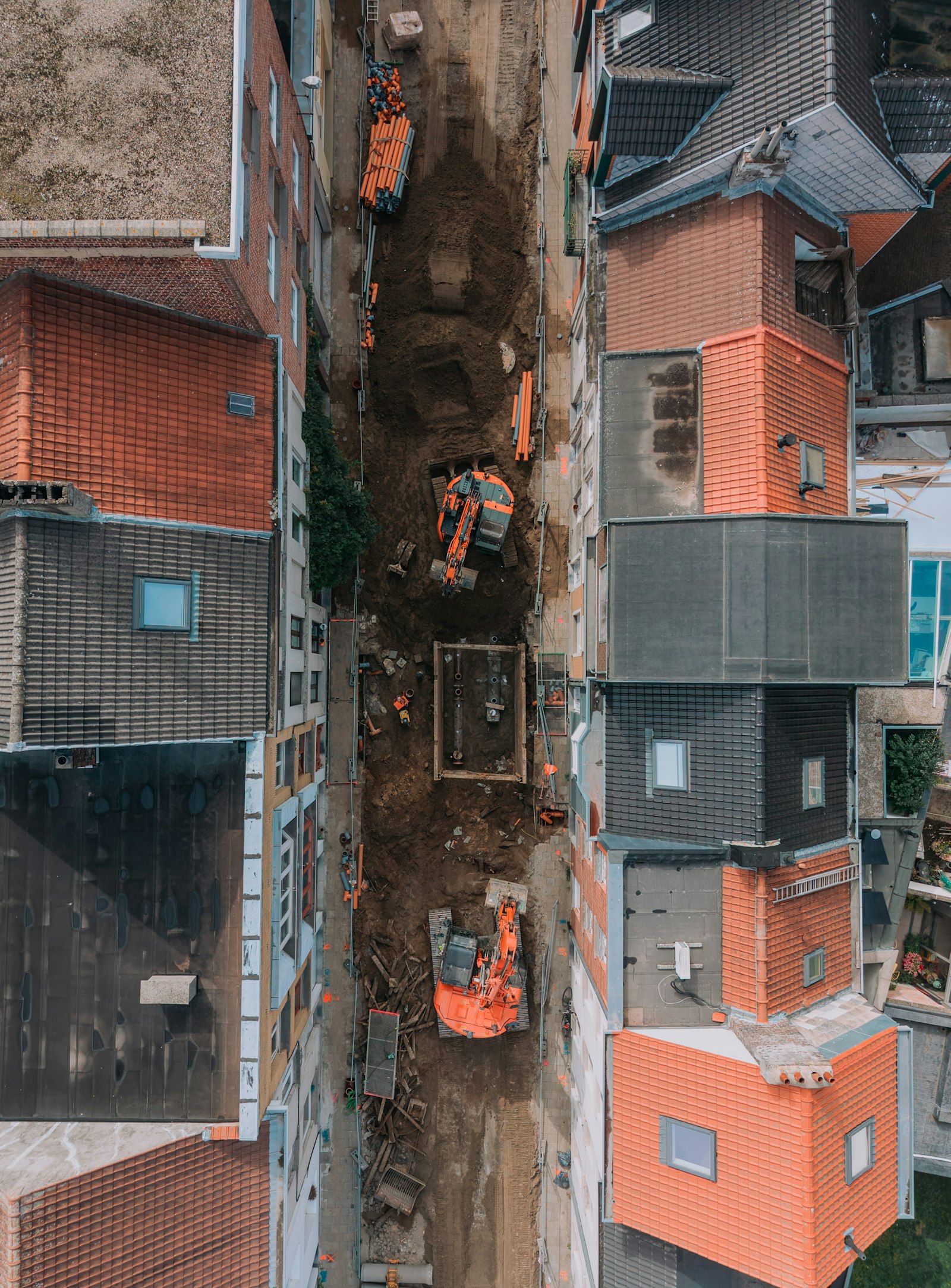
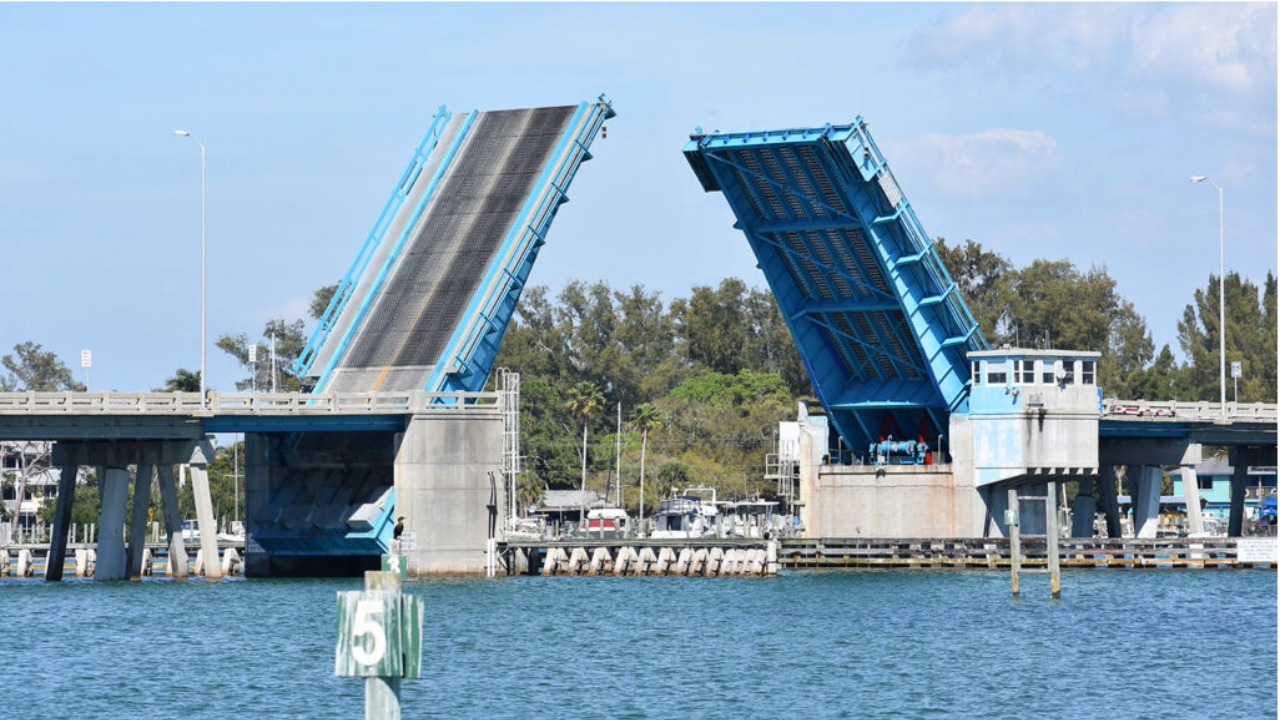
Image credit: Eduard Delputte on Unsplash. Free-license photo via Unsplash; not a photo of the Flatbush site.
Sources
- Construction Dive, Brooklyn building collapses into adjacent construction site, leading to multiple deaths, https://www.constructiondive.com/news/brooklyn-building-collapses-adjacent-construction-site-fatalities/874484/
- Al Jazeera, Building collapse in Brooklyn kills at least eight, injures over a dozen, https://www.aljazeera.com/news/2026/11/12/building-collapse-in-brooklyn-kills-two-injures-more-than-a-dozen

Let's connect
For organizations planning commercial, industrial, or infrastructure work, we will review the project and recommend the appropriate delivery approach.

Join our team
If you hold yourself to careful, accountable work, you already work the way we do.