

news +insights
Port Tampa Bay Channel Deepening Project Starts Soil Borings for 47 Feet
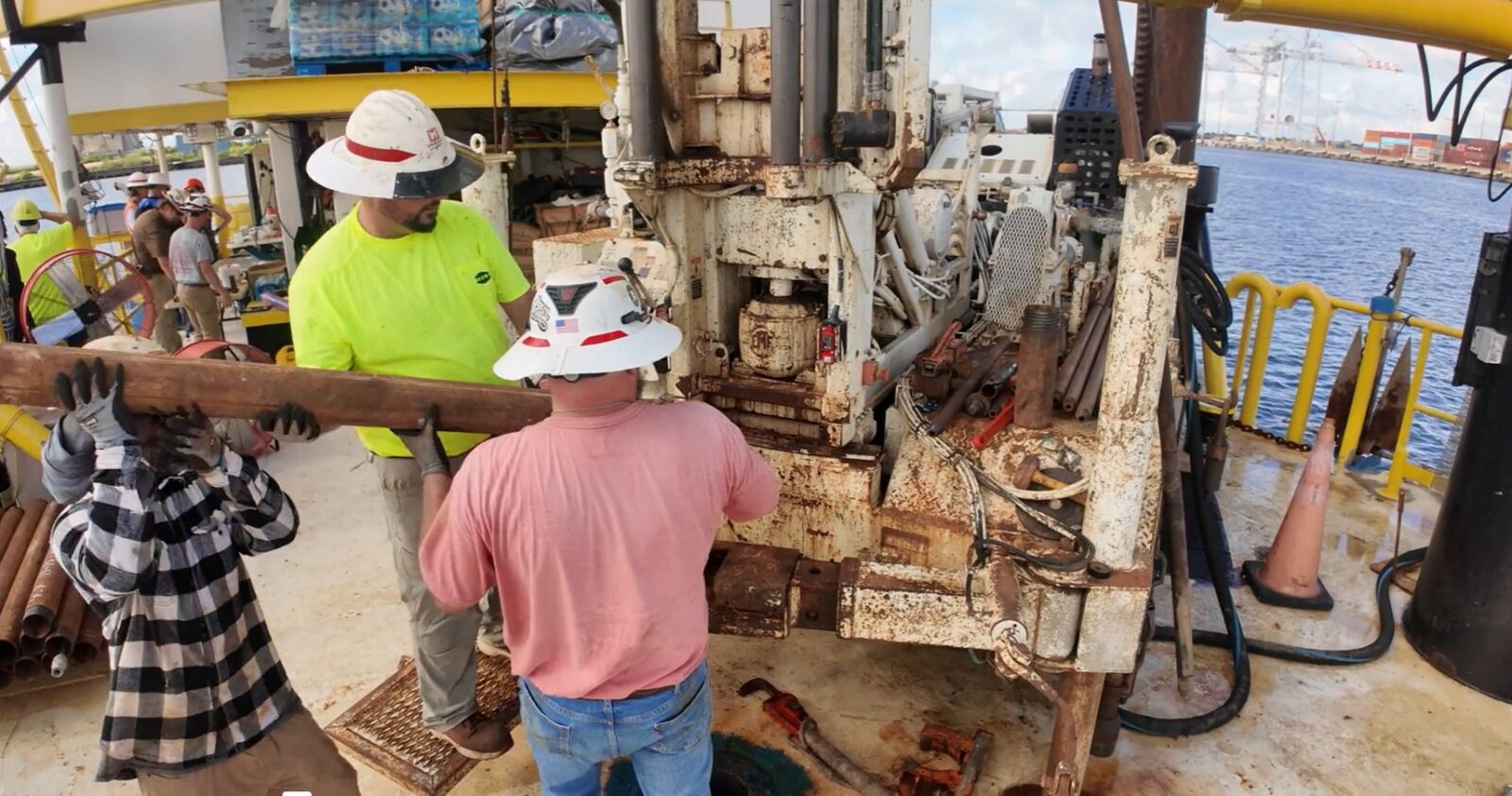
The Port Tampa Bay channel deepening project has moved into a new phase of engineering, with the U.S. Army Corps of Engineers drilling soil borings and collecting subsurface samples along the federal navigation channel. The work supports the Tampa Harbor Navigation Improvement Project, which would deepen the roughly 42-mile main channel from 43 feet to 47 feet, and the fieldwork is expected to continue through the end of 2026 (Port Tampa Bay).
Port Tampa Bay announced the geotechnical investigation on October 26, 2026, and calls the deepening the largest infrastructure initiative in the port’s history. Congress authorized the project in 2024 (Port Tampa Bay; Florida Construction News).
What Happened
Corps crews are sampling soil at multiple locations along the channel to evaluate conditions that will drive engineering and design decisions. The release does not say how many borings are planned, which locations are being tested or who is performing the drilling (Port Tampa Bay). Soil data of this kind typically shapes dredging methods, side slope design and the handling plan for excavated material, which are major cost drivers on a channel project.
The project uses what the port calls a “channel-within-a-channel” design. Rather than widening the whole channel, the plan deepens the center of the existing channel while limiting expansion of its overall footprint (Port Tampa Bay; Florida Construction News).
The Numbers
- Depth: from 43 feet to 47 feet along a main channel about 42 miles long (Port Tampa Bay).
- Dredged material: more than 21 million cubic yards expected (Florida Construction News).
- Transportation savings: an Army Corps General Reevaluation Report estimates the project could reduce transportation costs by about $90 million a year nationwide (Port Tampa Bay).
- Truck traffic: the same report estimates more than 17 million truck miles eliminated each year if cargo moves through Port Tampa Bay instead of another Southeastern port followed by trucking, avoiding about 26,000 metric tons of carbon dioxide annually, based on 2024 assumptions (Port Tampa Bay).
- Habitat: about 55 acres of deep water near the Sunshine Skyway Bridge would be restored as shallow water habitat (Port Tampa Bay).
Where Things Stand
The release does not state a total project cost, funding amounts for construction, a construction schedule or contractors (Port Tampa Bay). The most recent funding milestone came in April 2026, when U.S. Rep. Kathy Castor announced $10 million in federal funding: $3 million in Fiscal Year 2026 community project funding and $7 million in general-use funding from the Army Corps. The $3 million was directed to Phase 1 planning, engineering and design, and Business Observer reported that construction could begin as early as 2027 (Business Observer).
The Corps fieldwork is the next step in that design phase. Once the borings are complete, the results feed into the design and the plan for where the dredged material goes (Port Tampa Bay).
Where the Dredged Material Goes
With more than 21 million cubic yards to move, material placement is a large part of the project. Port Tampa Bay says much of it could be reused for beach and dune restoration, island stabilization and habitat creation around Tampa Bay, including restoring and stabilizing Egmont Key, the barrier island at the mouth of the bay. Planned marine habitat work includes hard bottom and seagrass habitat and areas for sea turtles and shorebirds (Port Tampa Bay; Florida Construction News).
Port Tampa Bay President and CEO Paul Anderson said “A project of this scale requires thoughtful engineering that considers both navigation needs and the natural environment” (Port Tampa Bay).
Why It Matters for the Region
The port says deeper water would let vessels carry more cargo per call, reducing the number of calls needed to move the same volume. Goods named in the release include fuel, construction materials, steel, automobiles and consumer goods (Port Tampa Bay). For West Central Florida builders, construction materials and steel moving through a closer, deeper port could affect delivery logistics over the long term. The project adds to a busy period of Tampa infrastructure work that includes the Selmon Expressway widening downtown.
Implications for Owners, Developers, Contractors and Subs
- Marine and dredging contractors: the soil investigation is a precursor to design and eventual dredging contracts. No procurement schedule has been released (Port Tampa Bay).
- Environmental and coastal firms: beneficial reuse at Egmont Key and the habitat work near the Skyway point to restoration, monitoring and placement work alongside the dredging (Florida Construction News).
- Logistics and industrial developers: a deeper channel is part of the port’s case for more cargo, which tends to support demand for nearby warehouse and industrial space, as in the projects covered in EastGroup Starts Three Tampa Warehouse Projects Totaling $73.7M.
- Owners shipping materials: any benefit to freight costs is years away; the project is still in design.
What to Watch
- Completion of the geotechnical fieldwork, expected by the end of 2026 (Port Tampa Bay).
- A total cost estimate and construction funding commitments.
- Whether construction can begin as early as 2027, as reported in April (Business Observer).
Bottom Line
The Port Tampa Bay channel deepening project is in the engineering phase, with Army Corps crews sampling soils through the end of 2026. The plan would take the 42-mile channel to 47 feet and generate more than 21 million cubic yards of material for reuse around the bay. Cost, contractors and a construction date have not been released.
Key Questions
What is the Port Tampa Bay channel deepening project?
The Port Tampa Bay channel deepening project, formally the Tampa Harbor Navigation Improvement Project, would deepen the roughly 42-mile federal navigation channel from 43 feet to 47 feet (Port Tampa Bay).
When will Port Tampa Bay channel deepening construction start?
No construction schedule has been announced for the Tampa Harbor deepening. Business Observer reported in April 2026 that construction could begin as early as 2027 (Business Observer).
How much will the Tampa Harbor deepening cost?
A total cost for the Tampa Harbor Navigation Improvement Project has not been disclosed. The project received $10 million in federal funding in April 2026 (Business Observer).
What will happen to the dredged material from Tampa Bay?
Port Tampa Bay says much of the more than 21 million cubic yards of dredged material could be reused for beach and dune restoration, island stabilization and habitat, including restoring Egmont Key (Port Tampa Bay).
Related Coverage
- U.S. Ports Are Racing to Rebuild: A $60 Billion Infrastructure Wave Takes Shape
- WRDA 2026 Is Taking Shape: Inside the Army Corps Authorization Bill That Could Unlock Ports, Waterways, and Flood Projects Nationwide
- Selmon Expressway Widening Closes Downtown Tampa Street for Two Years
- EastGroup Starts Three Tampa Warehouse Projects Totaling $73.7M
Image credit: Port Tampa Bay. Image from the source article.
Sources
- Port Tampa Bay, Tampa Harbor Navigation Improvement Project Advances With Next Phase of Engineering Work, https://www.porttb.com/2026/10/26/tampa-harbor-navigation-improvement-project-advances-with-next-phase-of-engineering-work/
- Florida Construction News, Port Tampa Bay channel deepening project moves forward with soil investigation, https://www.floridaconstructionnews.com/port-tampa-bay-channel-deepening-project-moves-forward-with-soil-investigation/
- Business Observer, Port Tampa Bay gets $10M grant for dredging project, https://www.businessobserverfl.com/news/2026/apr/11/port-tampa-bay-grant-dredging/

Let's connect
For organizations planning commercial, industrial, or infrastructure work, we will review the project and recommend the appropriate delivery approach.

Join our team
If you hold yourself to careful, accountable work, you already work the way we do.