

news +insights
NY Approves $111.5M Thermal Energy Networks in Buffalo, Haverstraw
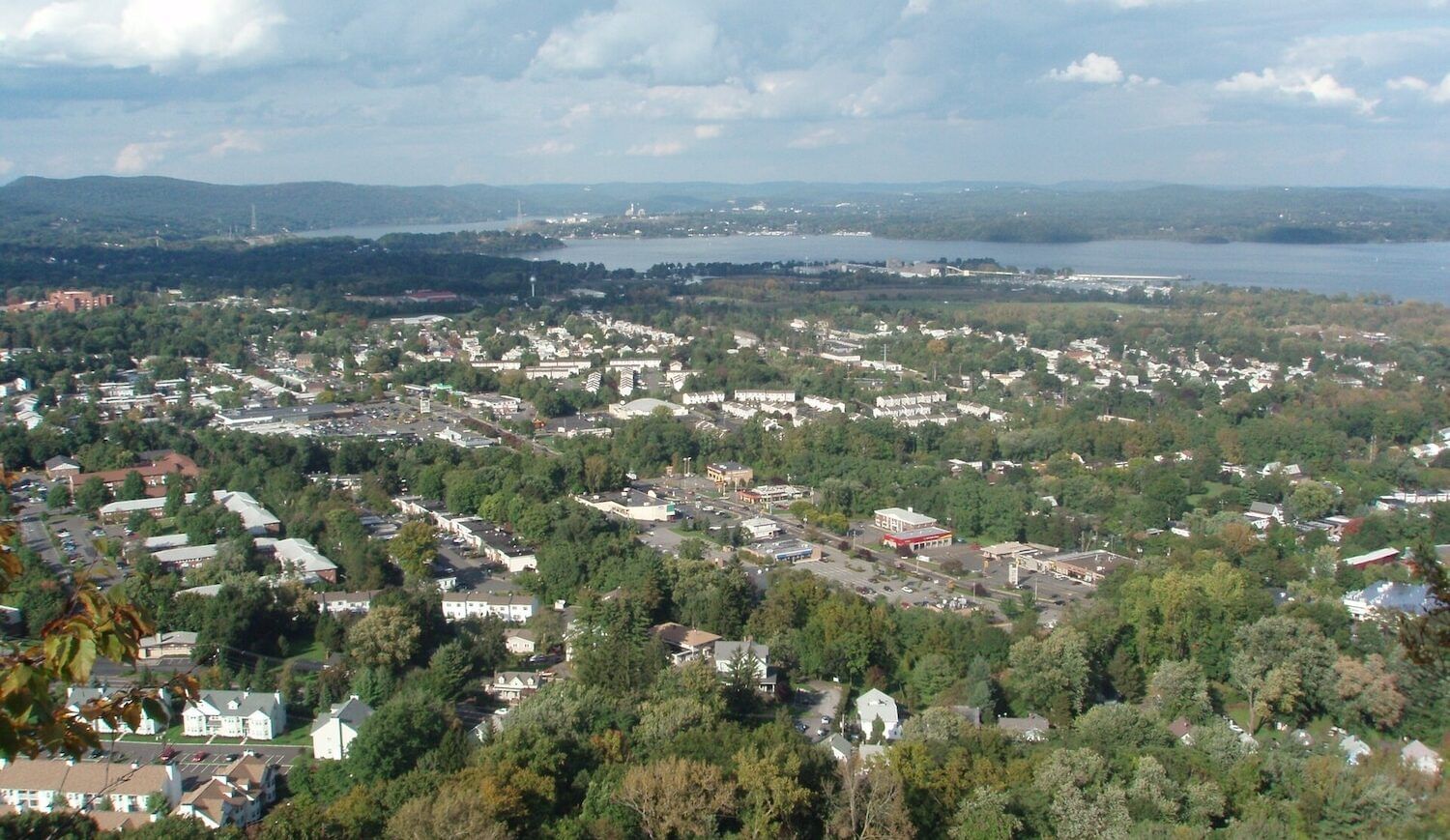
New York's Public Service Commission has approved two utility-owned thermal energy network pilots, one in downtown Buffalo and one in the Village of Haverstraw, with a combined cost of $111.5 million, while declining to advance nine other proposals that together sought more than $1 billion from ratepayers. The approved projects now move to customer enrollment and construction, and they will be the state's first utility-scale networks built under the 2022 Utility Thermal Energy Network and Jobs Act.
What Happened
The Commission acted at its October session, according to its release announcing the decision. It advanced the National Fuel Gas Distribution Corp. pilot in Buffalo at $61.4 million and the Orange and Rockland Utilities "West Loop" pilot in Haverstraw at $50.1 million (NYS Public Service Commission). New York Focus reported the vote was unanimous (New York Focus).
The Commission said $93 million from a state sustainable funding program will go toward the two projects, and Commission Chair Rory M. Christian credited Governor Kathy Hochul with securing more than 80 percent of the project costs (NYS Public Service Commission). Canary Media described the $93 million as coming from the state's $150 million thermal energy network commitment (Canary Media), and New York Focus reported that most upfront money comes from the roughly $1 billion climate fund in this year's state budget, so local customers will not pay directly (New York Focus).
The Two Approved Projects
- Buffalo (National Fuel): $61.4 million. The network would serve 12 affordable multifamily buildings and a municipal building in a disadvantaged downtown community, using a four-pipe system that draws heat from wastewater influent and geothermal boreholes (NYS Public Service Commission). It would also displace hot water boilers in the existing Buffalo District Energy System (NYS Public Service Commission). New York Focus reported that National Fuel says it is still evaluating feasibility, and the company's distribution president, Michael Colpoys, said the approval "will allow us to continue engineering analysis" (New York Focus).
- Haverstraw (Orange and Rockland): $50.1 million. A single-pipe ambient temperature loop covering about 10 acres would be served by two geothermal borefields and a wastewater heat exchanger, providing heating, cooling and domestic hot water to municipal, commercial and residential buildings (NYS Public Service Commission). The building count differs by source: New York Focus reported up to 29 buildings (New York Focus), while Canary Media reported up to 30 structures, including homes, commercial and government buildings and an elementary school (Canary Media).
Together, New York Focus reported, the two projects will heat and cool at least 32 buildings, and both serve areas the state has identified as disadvantaged (New York Focus). Both utilities committed to using a skilled union workforce for construction and operation (NYS Public Service Commission).
What Was Rejected and Why
The nine projects the Commission declined would have required more than $1 billion in ratepayer funds (NYS Public Service Commission). New York Focus reported they covered nearly 200 buildings, three in New York City and six stretching from Westchester to Syracuse, and that utilities had spent four years and close to $50 million planning them (New York Focus). According to New York Focus, the Department of Public Service found that electrifying buildings one at a time would be cheaper than neighborhood-scale networks in every case, including the two approved pilots, although networks do reduce strain on the electric grid (New York Focus).
Reaction split along expected lines. Allison Considine of the Building Decarbonization Coalition called the approvals "a breakthrough step" (New York Focus) but told Canary Media, "We're disappointed they didn't approve more" (Canary Media). Brett Thomason, political director of Steamfitters Local 638, said he came away from the meeting "very disheartened" (New York Focus). Theodore Moore of the ALIGN coalition said the two projects "are setting a standard and creating a blueprint" (Canary Media).
How the Technology Works
Thermal energy networks use wells and pipes to circulate water or another fluid that captures steady underground temperatures, along with waste heat from sources such as sewers, industrial plants and data centers (Canary Media). That stable source improves the efficiency of electric heat pumps, which can replace gas boilers and furnaces (Canary Media). Canary Media reported that Massachusetts has one completed utility network serving about 140 customers, and that several SUNY campuses in New York are building their own networks (Canary Media). New York Focus noted SUNY Buffalo and SUNY Purchase among the state-funded campus projects (New York Focus). WCG has covered the University at Buffalo's broader campus work in University at Buffalo's $1.64 Billion Building Boom.
Where Things Stand
Both approved projects now proceed to customer enrollment and construction (NYS Public Service Commission). Department of Public Service staff will collect lessons learned from utilities and stakeholders, and that feedback will feed a Thermal Energy Network Roadmap called for in the State Energy Plan, including a regulatory framework for waste heat (NYS Public Service Commission). Case documents are filed under Case 22-M-0429 (NYS Public Service Commission). The decision lands as state energy policy is in flux, including the pause covered in New York's All-Electric Buildings Mandate Is on Hold.
Implications for Owners, Developers, Contractors and Subs
- Western New York work: The Buffalo pilot combines borehole drilling, wastewater heat recovery, four-pipe distribution and boiler displacement in an existing district system (NYS Public Service Commission). That is a mix of civil, drilling, mechanical piping and controls scope for regional firms.
- Union labor commitments: Both utilities committed to skilled union labor (NYS Public Service Commission), which shapes how subs and suppliers should team on bids.
- Cost scrutiny: The state's finding that building-by-building electrification was cheaper in every case (New York Focus) signals that future network proposals will face tough cost review. Mechanical contractors should expect continued demand for individual heat pump retrofits alongside a smaller number of network projects.
- Owners in the pilot areas: Affordable housing and municipal owners in downtown Buffalo and Haverstraw should watch enrollment terms closely, since connections replace on-site boiler equipment.
What to Watch
- National Fuel's feasibility and engineering findings for the Buffalo project (New York Focus).
- Customer enrollment results and construction start dates for both pilots.
- The Thermal Energy Network Roadmap and any waste heat rules that follow (NYS Public Service Commission).
Bottom Line
New York has funded two utility thermal networks, one in Buffalo and one in Haverstraw, and turned down nine others on cost. The approved projects give contractors a first look at utility-scale geothermal and wastewater heat recovery work in the state. They also show regulators will push for costs to come down before networks spread further.
Related Coverage
- New York's All-Electric Buildings Mandate Is on Hold: Here's What Western New York Contractors Need to Know
- University at Buffalo's $1.64 Billion Building Boom: Engineering Halls, AI Centers, and a South Campus Renaissance
- New York Energy Planning Board to Launch Grid Investment Plan on December 9
Image credit: Alexisrael, CC BY-SA 3.0, via Wikimedia Commons, as published by Canary Media. Image from the source article.
Sources
- New York State Public Service Commission, via EIN Presswire, "PSC Advances Two Utility Thermal Energy Network Pilot Projects": https://www.einpresswire.com/article/949987329/psc-advances-two-utility-thermal-energy-network-pilot-projects
- New York Focus, "How New York Plans to Test Neighborhood-Scale Clean Heat": https://nysfocus.com/2026/10/23/new-york-thermal-energy-network-pilots
- Canary Media, "New York to build state's first two utility-scale thermal networks": https://www.canarymedia.com/articles/geothermal/new-york-first-utility-scale-thermal-network

Let's connect
For organizations planning commercial, industrial, or infrastructure work, we will review the project and recommend the appropriate delivery approach.

Join our team
If you hold yourself to careful, accountable work, you already work the way we do.