
news +insights
Builder Confidence Falls to 29 in October, Lowest Since 2012

Builder confidence in the market for newly built single-family homes fell three points to 29 in October, the lowest reading since June 2012, according to the National Association of Home Builders/Wells Fargo Housing Market Index released Monday morning (NAHB). Builders pointed to mortgage rates above 7 percent, rising energy and material costs, and worsening labor and lot conditions.
What Happened
The NAHB released its monthly Housing Market Index (HMI) at 10 a.m. Eastern on October 19. The headline index dropped from 32 in September to 29 in October (NAHB). Economists polled by Reuters had expected a smaller decline, to 31 (Reuters via Investing.com). The index has now stayed below 40 for 18 consecutive months (Builder). Any reading under 50 means more builders view conditions as poor than good.
NAHB Chairman Bill Owens said mortgage rates have climbed well above 7 percent in recent weeks and that higher gas prices and inflation have cut into buyer traffic. He also cited higher costs for construction loans, materials and diesel (NAHB). Freddie Mac data showed the 30-year fixed rate averaged 7.40 percent last week, the highest in nearly three years (Reuters via Investing.com).
What Is Confirmed
- All three components fell. Current sales conditions dropped 2 points to 33, sales expectations for the next six months fell 5 points to 32, and prospective buyer traffic fell 5 points to 18 (Builder).
- Buyer traffic is at a 14-year low. NAHB Chief Economist Robert Dietz said traffic is at its lowest level since April 2012, excluding the onset of the pandemic in April 2020 (NAHB).
- Price cuts are spreading. 43 percent of builders cut prices in October, the highest share in the 2020 to 2026 period. The average cut held at 6 percent for a seventh straight month, and 65 percent of builders used sales incentives (Mortgage Professional America).
- Labor disruption. More than a third of builders reported immigration enforcement activity in their markets, which is causing construction delays (NAHB).
- Every region slipped. On a three-month moving average basis, the Northeast fell 1 point to 38, the Midwest fell 3 points to 40, the South fell 1 point to 30 and the West fell 2 points to 26 (NAHB).
Owens also said the administration's regulatory reform efforts are easing some cost pressures for builders (Mortgage Professional America). A separate Zonda survey cited by Builder found 84 percent of builders reporting slow demand (Builder).
The reading is a sharp step down from the spring, when the index stood at 37, as we covered in our May look at builder confidence.
What It Means for Owners and Contractors
The HMI measures single-family homebuilders, not commercial or industrial work, but the pressures behind it are shared across the industry. The same mix of higher borrowing costs, energy-linked material prices and tighter labor shows up in other recent data, including the 11.2 percent annual jump in construction input prices reported for September.
For owners and developers, rates above 7 percent raise carrying costs on construction loans for any project type, not only housing. Multifamily and mixed-use sponsors that depend on for-sale or rental absorption should revisit lease-up and pricing assumptions before committing to new starts.
For general contractors and subcontractors, a slowdown in single-family starts can free up some residential trades, particularly framing, drywall and site crews. That may ease bidding pressure in some markets. At the same time, reported immigration enforcement activity is a labor risk that cuts across residential and commercial jobsites, so schedules that assume full crews deserve a second look.
Material suppliers and distributors that serve both residential and commercial markets may also shift pricing and allocation as residential volume softens. Buyers of lumber, gypsum and similar products should watch for changes in lead times.
What to Watch
- Weekly mortgage rate data from Freddie Mac, which will show whether the move above 7 percent holds.
- Upcoming federal data on housing starts and building permits, which will show whether weak sentiment is translating into fewer groundbreakings.
- Further price cuts and incentive use, which builders are leaning on to move existing inventory.
- Any policy action on housing affordability ahead of the November 3 midterm elections (Reuters via Investing.com).
Related Coverage
- Builder Confidence Is 37, And Has Been Below 50 for 14 Straight Months. What That Means for U.S. Housing Construction.
- Update: Construction Input Prices Up 11.2% in September, Most in Nearly 4 Years
- Fed Beige Book: Construction Mixed as Costs and Trade Shortages Persist
- April 2026 Housing Starts: Single-Family Pulls Back While Multifamily Surges, What the Data Means for Builders
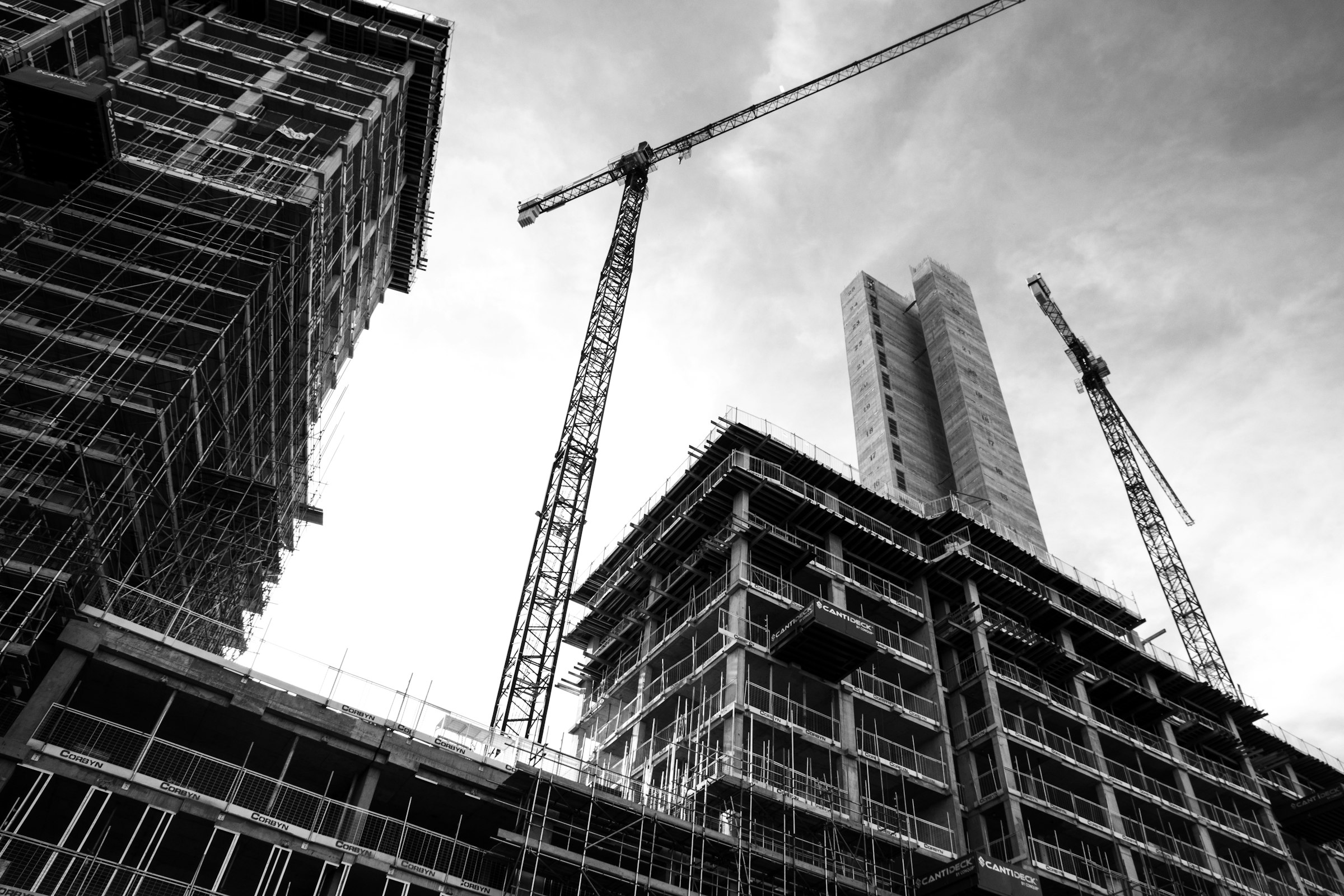
Image credit: National Association of Home Builders. Image from the source article.
Sources
- NAHB, "Builder Sentiment Falls on Rising Rates," https://www.nahb.org/news-and-economics/press-releases/2026/10/builder-sentiment-falls-on-rising-rates
- Builder, "Builder Sentiment Falls to 14-Year Low in October," https://www.builderonline.com/data-analysis/builder-sentiment-falls-to-14-year-low-in-october/
- Mortgage Professional America, "Builder confidence hits 14-year low as mortgage rates top 7%," https://www.mpamag.com/us/mortgage-industry/industry-trends/builder-confidence-hits-14-year-low-as-mortgage-rates-top-7/594072
- Reuters via Investing.com, "US homebuilder sentiment tumbles to near 14-1/2-year low in October," https://investing.com/news/economic-indicators/us-homebuilder-sentiment-tumbles-to-near-1412year-low-in-october-4957879



Let's connect
For organizations planning commercial, industrial, or infrastructure work, we will review the project and recommend the appropriate delivery approach.

Join our team
If you hold yourself to careful, accountable work, you already work the way we do.