
news +insights
April 2026 Housing Starts: Single-Family Pulls Back While Multifamily Surges, What the Data Means for Builders
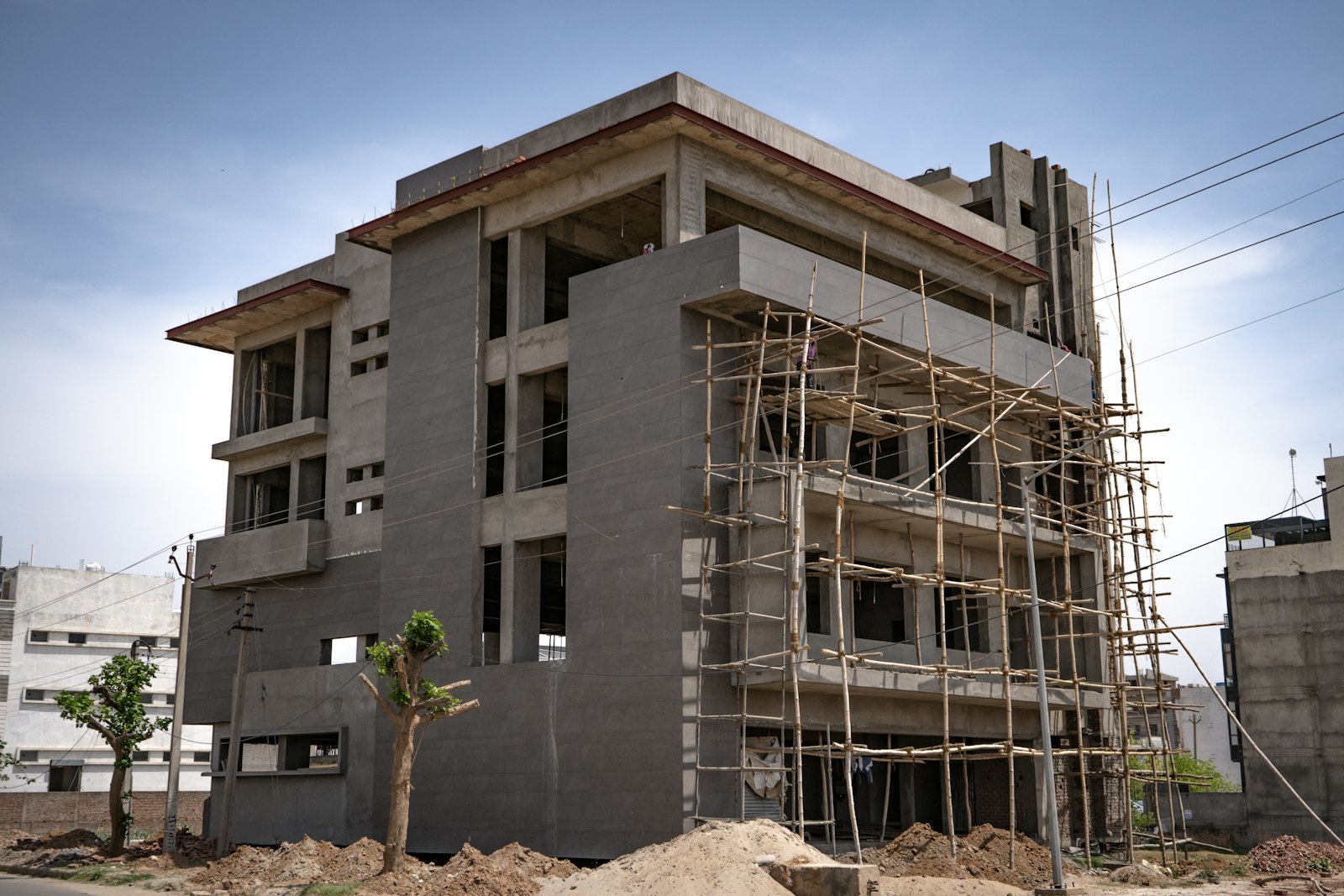
The U.S. residential construction market entered spring 2026 sending mixed signals. The Census Bureau's Monthly New Residential Construction report for April 2026, released May 21, showed overall housing starts falling 2.8 percent from March to an annualized rate of 1.465 million units — but the headline obscures a pronounced divergence between property types that carries significant implications for builders, subcontractors, and material suppliers across the residential construction supply chain.
Single-Family: Affordability and Cost Headwinds Take a Toll
Single-family housing starts fell 9.0 percent from March to an annualized pace of 930,000 units in April — down 2.4 percent from April 2025 and 5.1 percent below the year-to-date pace. NAHB's Eye on Housing analysis identified a convergence of factors behind the decline: economic uncertainty, higher construction costs, ongoing labor shortages, and elevated financing expenses. With the 30-year fixed mortgage rate still above 6.5 percent in most markets and construction input costs up 6.6 percent over the past year per Skanska's composite index, the math of new single-family construction remains difficult in most price tiers.
Single-family permits told a similar story. The annualized permit rate for single-family units fell 2.6 percent from March to 872,000 units, and is 5.5 percent below April 2025 — suggesting that the softness in starts is likely to persist into summer. Single-family completions ran at an annualized pace of approximately 903,000 units in April, down 7.0 percent from April 2025. The three-month moving average for single-family starts rose modestly to 958,000 units, providing some stabilization signal, but the overall trend line is clear: single-family homebuilding is running below the pace needed to close the national housing shortage, which independent estimates place at four million or more units.
The regional picture is uneven. Year-to-date combined starts are 16.6 percent higher in the Northeast and 1.8 percent higher in the South, while the Midwest is running 2.9 percent lower and the West is down 0.4 percent. For single-family specifically, the Midwest is the only region posting a year-to-date increase, up 5.2 percent.
Multifamily: A Different Story
While single-family builders pulled back, multifamily construction surged. Apartment and condominium starts rose 10.3 percent from March to an annualized pace of 535,000 units in April — and the year-over-year comparison is even more striking: multifamily starts are running 19.7 percent above April 2025 levels. Multifamily permits rose 21.8 percent month-over-month to 570,000 units annualized, a 9.2 percent increase year-over-year. Multifamily completions (buildings with five or more units) also strengthened, rising 6.4 percent from April 2025 at a 529,000-unit annualized pace.
The multifamily surge reflects a combination of factors. Rental vacancy rates remain tight in many major markets despite elevated supply deliveries in 2023 and 2024. The growing unaffordability of for-sale housing — driven by elevated mortgage rates and high home prices — is pushing more households into the rental market, sustaining demand even as multifamily supply rises. Developer financing for large apartment projects has also eased somewhat compared with the peak tightening period of 2023, particularly for projects with strong pre-leasing or income guarantees from institutional owners.
The three-month moving average for multifamily starts trended higher to 481,000 units in April, suggesting the current surge has some staying power rather than being a single-month statistical bounce. This matters for the broader construction economy: multifamily projects generate sustained demand for concrete, structural steel, MEP systems, framing, and finish work over 18 to 24-month construction cycles.
The Units Under Construction Pipeline
Looking beyond starts and permits to the broader pipeline, the picture is one of gradual normalization after years of record activity. Total housing units under construction stood at 1.3 million in April 2026, down 8.5 percent from April 2025. Single-family homes under construction totaled 588,000 units, down 7.0 percent year-over-year. Multifamily units under construction totaled 687,000 units, down 9.8 percent — but still far above historical norms and well above the December 2023 peak of over one million units.
Total completions across both sectors were down 11.2 percent year-to-date compared with the same period in 2025. For subcontractors and material suppliers, this means the volume of residential work in progress remains substantial but is declining from its post-pandemic highs. Firms that built capacity for the record 2022–2024 residential cycle are now navigating a more selective market where project selection and margin management matter more than simply filling backlogs.
What This Means for the Construction Industry
The April 2026 data reinforces a structural theme that has been building for two years: residential construction activity is bifurcating between an affordable, high-demand rental market (multifamily surging) and a for-sale single-family market stalled by cost and financing barriers that federal and state policy is only beginning to address. The Census construction spending data published May 7 confirmed the same dynamic in dollar terms — with residential construction spending running flat to slightly down in early 2026 even as nonresidential and public construction pick up the slack.
For residential builders and their trade partners, the practical implications are straightforward. Single-family volume will remain constrained as long as financing costs stay elevated, construction input costs keep rising, and buildable lots in affordable submarkets remain scarce. Multifamily will provide more reliable volume, but competition for skilled labor and MEP systems — also in high demand from data centers, life sciences, and industrial projects — will keep margins tight. The builders who navigate 2026 successfully will be those who price costs accurately, secure long-lead materials early, and target submarkets where demand is structural and durable.
The NAHB Eye on Housing analysis notes that the latest data suggests the overall construction pipeline remains uneven across regions and property types — a characterization that is both accurate and likely to persist through the remainder of 2026.
Sources
Skanska USA — Spring 2026 Construction Market Trends Report (skanska.com)


Let's connect
For organizations planning commercial, industrial, or infrastructure work, we will review the project and recommend the appropriate delivery approach.

Join our team
If you hold yourself to careful, accountable work, you already work the way we do.