

news +insights
Trump Drops Plywood, Adds Vinyl Flooring in Canada Tariff Shuffle
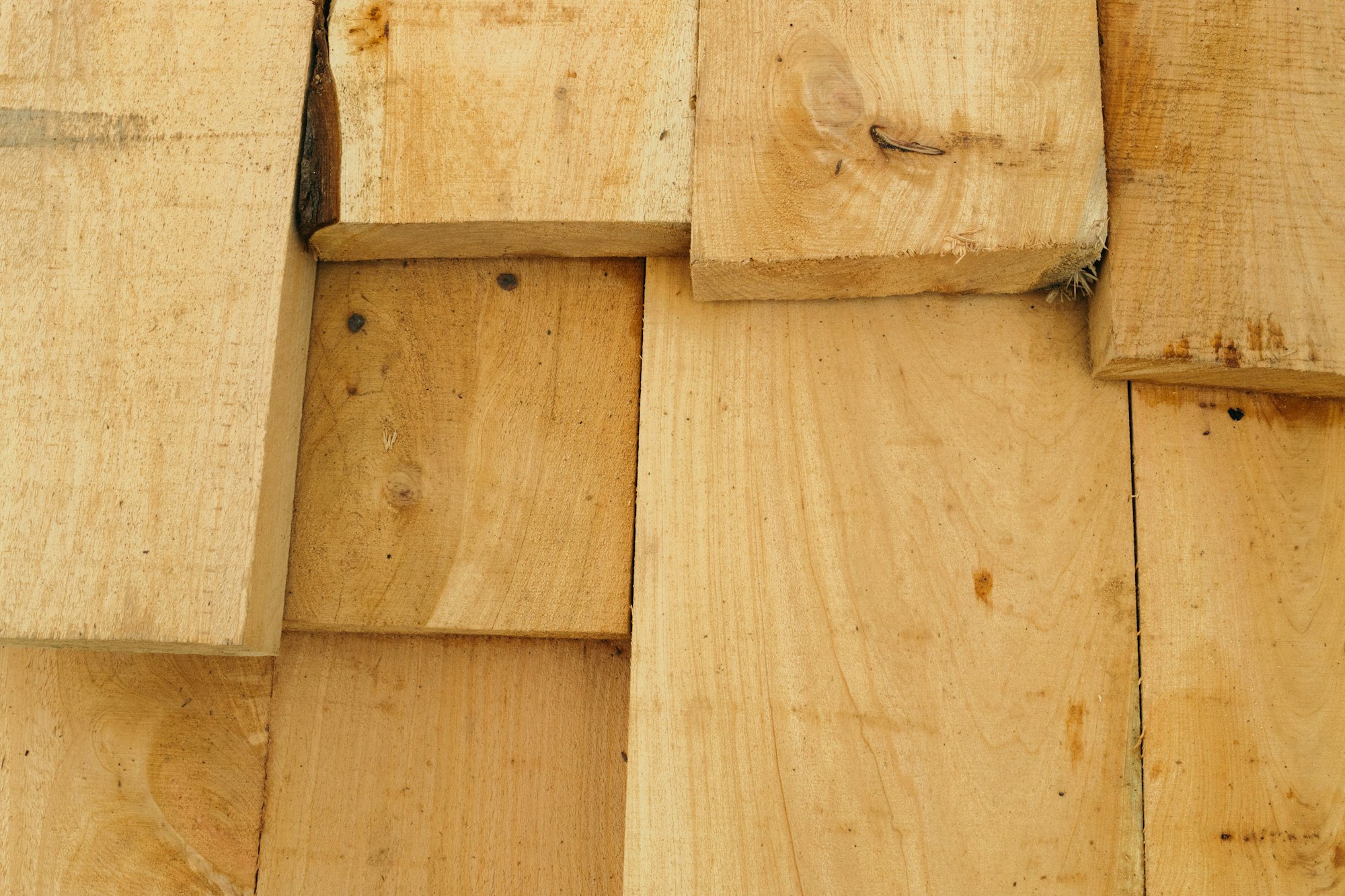
President Trump signed a proclamation on Friday, October 23, 2026, that removes certain plywood sheets from the 50% Section 338 tariffs on Canadian goods while adding vinyl flooring, carpets, certain valves and window air conditioners, with the changes taking effect October 30, 2026 (The White House; Supply Chain Dive). This is a developing story, and the full product list sits in an annex that contractors and suppliers will need to check line by line.
What Happened
The White House released a fact sheet on October 23 saying the president had further modified the list of Canadian products subject to tariffs under Section 338, refining an action first announced on July 20, 2026 and already modified once on September 8, 2026 (The White House). According to the fact sheet, the products coming off the list include plywood sheets, some paper products, certain machinery and refrigeration equipment, and certain packing crates and boxes. The products being added include certain valves, carpets, waste products and other items (The White House).
News coverage filled in more of the additions. CBS News reported that shampoo, vinyl flooring, coffins, carpets and window-unit air conditioners are being added to the 50% tariff, while corrugated boxes, crates, plastic sacks, packing machinery, refrigeration equipment and seaweed are being removed (CBS News). Supply Chain Dive reported that cocoa powder, carpets and air conditioners are among the new items, and that plywood, certain industrial machinery and select packaging and paper materials are among those removed (Supply Chain Dive). CTV News, in a report republished by BNN Bloomberg, described the removal as covering "some plywood sheets" and noted that the complete list is in an annex posted on the White House website (BNN Bloomberg).
Much of the political attention on Friday centered on Maine. Republican Sen. Susan Collins said the exemptions would help growers who rely on Canadian harvesting boxes, packaging and equipment (CBS News). The office of Canada-U.S. Trade Minister Dominic LeBlanc said Ottawa would assess the measures (BNN Bloomberg).
What Is Confirmed
- Effective date: The product additions and removals take effect October 30, 2026 (The White House).
- Rate: The goods on the list face a 50% tariff, the maximum the statute allows (Supply Chain Dive).
- Legal basis: The tariffs rest on Section 338 of the Tariff Act of 1930, which the administration cites to offset what it calls Canada's discriminatory treatment of U.S. commerce (The White House).
- USMCA: The tariffs apply to covered goods whether or not they qualify under USMCA (The White House).
- Section 232 goods: When the program launched in July, products already covered by Section 232 tariffs, including steel, aluminum, copper, timber and lumber, were excluded from the Section 338 list (The White House).
- Litigation: A suit filed this week in the U.S. Court of International Trade by the Liberty Justice Center on behalf of importer Gellert Global Group challenges the use of Section 338 and asks for refunds (Supply Chain Dive).
What is not yet clear is exactly which plywood products are covered by the removal. The fact sheet says "plywood sheets," while CTV described it as some plywood sheets, so the specific tariff classification lines in the annex will decide which panels actually get relief (BNN Bloomberg). The full list of added valves and other items has also not been detailed in the coverage reviewed for this report.
How the List Has Changed Since July
The July 20 proclamations imposed the 50% tariffs over Canada's treatment of U.S. motor vehicles, alcoholic beverages and dairy, and the White House said at the time the covered goods ranged "from wine to hockey sticks to cement" (The White House). The levies took effect after talks broke down in August (Supply Chain Dive).
On September 8, after Canada retaliated, the White House added all-terrain vehicles and more dairy products, announced import bans on some goods, and removed rock salt and cement from the tariff list effective September 15 (The White House). Canada's counter-tariffs now cover $27.6 billion in U.S. imports, focused on steel, dairy, appliances, agricultural equipment, pulp and paper, and electronics (BNN Bloomberg). We covered the Canadian side of that exchange in Canada's September 8 counter-tariffs on steel, aluminum, plasterboard and plywood.
What It Means for Owners and Contractors
For building projects, Friday's action cuts both ways. Removing plywood sheets could ease costs for wood panels used in sheathing, formwork and temporary protection, depending on which product lines the annex covers. At the same time, vinyl flooring, carpets, certain valves and window air conditioners are interior finish and mechanical items that show up in commercial fit-outs, multifamily and institutional work, and Canadian-made versions of those products will face a 50% tariff starting October 30 (CBS News; The White House).
The change lands on top of already elevated material costs. Construction input prices rose 11.2% from a year earlier in September, as we reported in our coverage of the ABC input price data. Practical steps for the coming week:
- Ask flooring, finish and mechanical suppliers whether any quoted products are made in Canada and whether pricing assumes delivery before or after October 30.
- Check open purchase orders for plywood and packaging to see whether Canadian-origin panels may be eligible for relief once the annex lines are confirmed.
- Review tariff and escalation clauses in pending bids and subcontracts, since the list has now been revised twice since it was created in July.
What to Watch
The annex will determine the exact scope of the plywood removal and the added valve categories, and importers will be reading it closely before October 30. Trump said Canada is "working very hard" to make a deal, while Prime Minister Mark Carney said Canada could sign quickly if the U.S. were ready (BNN Bloomberg). The Court of International Trade case is another factor that could affect whether the tariffs, and any refunds, stand (Supply Chain Dive). We will update this story as the product annex and any Canadian response are clarified.
Related Coverage
- Canada's September 8 Counter-Tariffs Hit Steel, Aluminum, Plasterboard and Plywood From the U.S.
- Update: Construction Input Prices Up 11.2% in September, Most in Nearly 4 Years
- Wholesale Prices Jump 1.3% in September, Up 6.3% From a Year Ago
- Tariff-Driven Materials Costs Squeeze Construction Budgets Heading into Summer 2026
Image credit: Sarah Worth on Unsplash. Free-license photo used because the source articles did not offer a usable non-wire image.
Sources
- The White House, "Fact Sheet: President Donald J. Trump Further Modifies Canadian Products Subject to Tariffs Under Section 338," https://www.whitehouse.gov/fact-sheets/2026/10/fact-sheet-president-donald-j-trump-further-modifies-canadian-products-subject-to-tariffs-under-section-338/
- The White House, "Fact Sheet: President Donald J. Trump Responds to Canada's Retaliation," https://www.whitehouse.gov/fact-sheets/2026/09/fact-sheet-president-donald-j-trump-responds-to-canadas-retaliation/
- The White House, "Fact Sheet: President Donald J. Trump Imposes Additional Tariffs on Canada," https://www.whitehouse.gov/fact-sheets/2026/07/fact-sheet-president-donald-j-trump-imposes-additional-tariffs-on-canada/
- Supply Chain Dive, "Trump tweaks Canada tariffs, removing certain goods while adding others," https://www.supplychaindive.com/news/trump-tweaks-canada-tariffs-removing-certain-goods-while-adding-others/833895/
- CBS News, "Trump lifts 50% tariffs on some Canadian goods in boon to Maine Sen. Susan Collins," https://www.cbsnews.com/news/trump-tariffs-some-canadian-goods-susan-collins-maine/
- BNN Bloomberg (CTV News), "Trump to remove 50% tariffs on some Canadian goods. Here's what we know," https://www.bnnbloomberg.ca/tariffs/2026/10/23/trump-to-remove-50-tariffs-on-some-canadian-goods-heres-what-we-know/

Let's connect
For organizations planning commercial, industrial, or infrastructure work, we will review the project and recommend the appropriate delivery approach.

Join our team
If you hold yourself to careful, accountable work, you already work the way we do.