
news +insights
Tariff-Driven Materials Costs Squeeze Construction Budgets Heading into Summer 2026
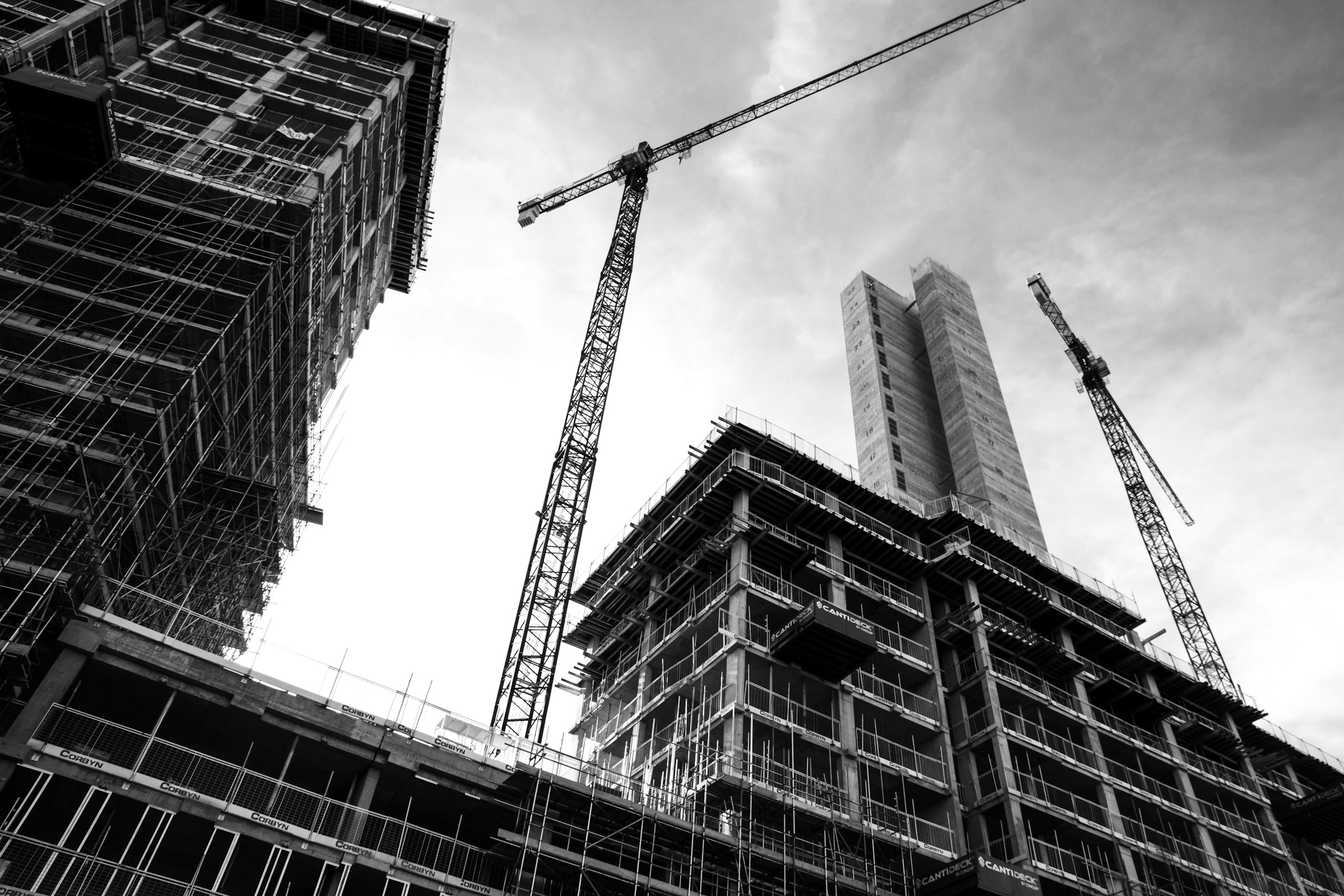
Construction professionals across the United States entered 2026 facing a materials cost environment unlike anything seen since the supply chain disruptions of 2022. A compounding layer of federal tariffs on steel, aluminum, copper, and lumber—paired with an escalating energy market—has sent nonresidential construction input prices surging at a rate that industry economists are calling, simply, "staggering."
What the Numbers Show
Nonresidential construction input costs finished 2025 up 3.2% year over year, according to an Associated Builders and Contractors (ABC) analysis of U.S. Bureau of Labor Statistics Producer Price Index data. For all construction combined—residential and nonresidential—costs gained 2.8% over the same period.
The acceleration only intensified into the new year. Construction price inputs rose at a 12.6% annualized rate during the first two months of 2026, ABC reported in March. In February alone, inputs to nonresidential construction grew 1.3% month over month, driven by energy spikes.
"While input prices are still up a relatively modest 3.1% since February 2025, they rose at a staggering 12.6% annualized rate during the first two months of 2026," said Anirban Basu, ABC Chief Economist.
The most tariff-exposed materials have seen the sharpest moves:
- Aluminum mill shapes: up 30.5% year over year through December 2025—the largest annual increase since early 2022 supply chain disruptions—accelerating every month since the administration imposed a 50% tariff on aluminum last June, according to AGC Chief Economist Ken Simonson.
- Steel mill products: up 17% for full-year 2025, the steepest rise since 2022, under a 50% Section 232 tariff.
- Copper wire and cable: up 22% year over year through year-end 2025, with COMEX copper trading near $5.76/lb (+32% YoY) by spring 2026, per ABC Carolinas analysis.
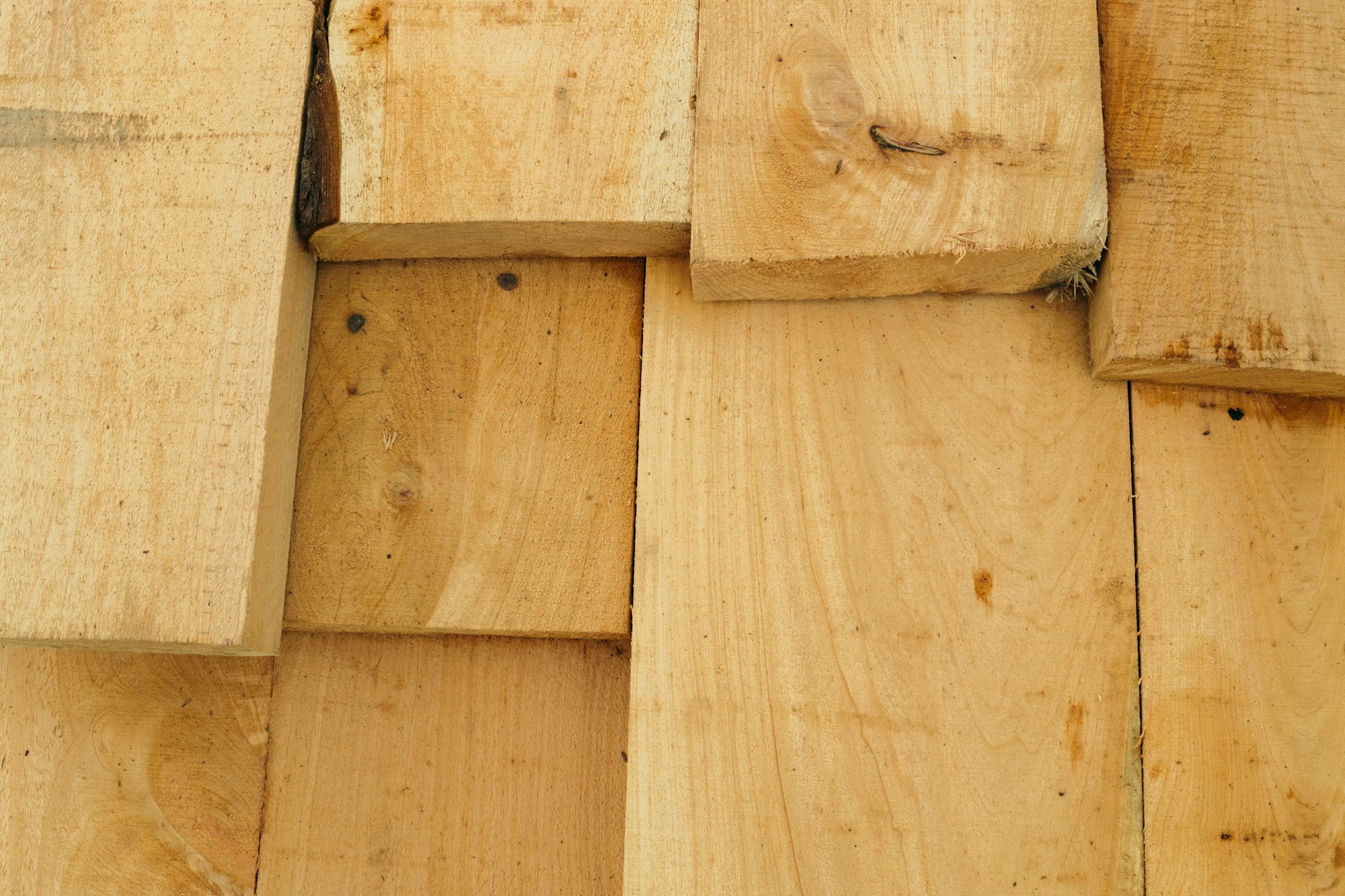
- Framing lumber: $916.62 per thousand board feet in April 2026, up 5.11% quarter over quarter and 4.21% year over year, per Gordian cost data.
- Construction equipment and machinery: up 5.6% in the latest 12 months—the most in two years—as tariff costs filter through to domestically produced capital goods.
The producer price index for construction materials broadly hit 354.9 in March 2026, a new all-time high and up 6.0% year over year, according to ABC Carolinas. Cement has climbed 7.7% year over year, and steel pipe and tube are up 12.5% YoY.
How Tariff Policy Created This Environment
The current cost environment traces directly to a series of federal trade actions. Steel and aluminum tariffs under Section 232 were raised to 25% in March 2025 and then escalated to 50% in June 2025. A 50% tariff on copper products and derivatives took effect in August 2025. A broad 10% Section 122 tariff on nearly all imports—scheduled to expire July 24, 2026—has layered additional cost pressure on materials not covered by the metal-specific measures, per ABC Carolinas analysis.
A June 2025 Oxford Economics study estimated the effective tariff rate on U.S. construction imports at 27.7%, while Harvard and University of Chicago research found realized costs paid by importers closer to 14.1% after accounting for exemptions and alternative sourcing, per the 2026 U.S. Construction Cost Outlook. JLL reported that material prices in 2025 averaged approximately 4.2% above 2024 levels, with longer-term tariff impacts expected to range from 5 to 25% depending on material type and aggregate construction costs estimated to rise roughly 8% under current policy conditions.
"Even though these indexes are based on selling prices of domestic producers, it is clear that the steep tariffs on imported metals and products are enabling U.S. sellers to push up costs for construction materials and equipment," said Simonson. "Construction costs are sure to rise further in 2026 as long as the current tariffs remain in place."
Project Cancellations and Owner Hesitation
The price increases are not abstract accounting exercises—they are reaching project decisions on the ground. The AGC-NCCER workforce survey found that 43% of contractors reported at least one project in the past six months had been canceled, postponed, or scaled back because of higher costs. Two in five firms reported raising their own bid prices in response to tariffs, and 16% absorbed the higher costs or worked with suppliers to share the burden.
AGC's 2026 Construction Hiring and Business Outlook found that over three-fifths of respondents—63%—report that an owner postponed or canceled a project in the past six months. When asked why, 37% cited a lack of funding or uncertainty about a funding source, and more than one in three firms (34%) said project financing was unavailable or too expensive.
"There is a limit to how many price increases the market can absorb before owners put projects on hold," said Jeffrey D. Shoaf, AGC Chief Executive Officer. "Reducing uncertainty around tariffs and stabilizing supply chains would go a long way toward helping contractors keep projects moving forward."
Why This Matters to Construction Professionals
For general contractors and construction managers, the current environment demands a fundamental rethink of procurement strategy. Structural steel, rebar, metal deck, aluminum storefront systems, copper wire and cable, industrial controls, and switchgear—categories that commonly represent 20–30% of hard costs—are now volatile enough to erase project margins between bid and purchase order dates. A 10–15% swing in those categories can add 3–5% to total project costs, frequently exceeding a contractor's entire fee.
Owners and developers who locked in budgets in 2024 or early 2025 face potential gaps at the time of procurement. Projects that were financially feasible under earlier price assumptions may require value engineering, phased approaches, or rebidding before construction can proceed.
Specialty subcontractors—particularly electrical, mechanical, and structural steel trades—face the most acute exposure. Lead times of up to 120 weeks for some electrical components such as switchgear and transformers mean that price certainty from a supplier is nearly impossible to obtain over a project's full procurement window.
Strategies for Protecting Margins
Industry advisors recommend several near-term approaches:
- Price escalation clauses tied to objective third-party indexes such as the BLS Producer Price Index for steel, aluminum, and copper, with triggers at 5–10% movements between bid submission and purchase order date.
- Early procurement commitments on tariff-exposed categories before additional tariff actions take effect or before the Section 122 expiration reshapes price dynamics in July 2026.
- Structural alternatives where code and design allow: concrete systems, engineered wood, or domestically produced alternatives for categories with the highest import exposure.
- Transparent bid line items that separate tariff-exposed scopes so owners understand cost drivers and can make informed decisions about value engineering trade-offs.
What to Watch Next
The expiration of the broad 10% Section 122 tariff on July 24, 2026 is the most near-term policy milestone for construction procurement managers. However, ABC Carolinas analysis cautions against expecting a broad price drop: Section 301 tariffs on specific country-of-origin products could offset any relief, and global demand from AI data center construction, infrastructure investment, EV manufacturing, and automation projects continues to pressure raw material supply regardless of U.S. tariff policy.
Monthly BLS Producer Price Index releases—published the second week of each month—will be the most reliable near-term signal of whether the 12.6% annualized pace of early 2026 is sustained, moderating, or accelerating further.
Bottom Line
The U.S. construction industry is navigating a cost environment shaped as much by trade policy as by supply and demand fundamentals. Steel is up 17%, aluminum 30.5%, and copper wire 22% over the past year. The 12.6% annualized input price spike recorded through February 2026 is not a single-month anomaly—it is the product of layered tariffs, constrained domestic production capacity, and energy market volatility. Construction professionals who enter summer 2026 bidding and procurement cycles without updated escalation provisions, current supplier quotes, and revised contingency budgets are accepting real financial risk. Proactive contract language and procurement discipline are the most reliable tools available while the policy environment remains in flux.
Sources:
- Construction Dive: Tariffs lifted nonresidential construction costs 3.2% in 2025
- Construction Dive: Construction prices spiked at 'staggering' rate to begin 2026
- AGC: Construction Material Costs Continue To Accelerate in August
- AGC: 2026 Construction Hiring and Business Outlook
- ABC Carolinas: Understanding Construction Material Tariff Costs 2026
- ABC Carolinas: Navigating Construction Material Costs 2026-2027
- Gordian: Lumber Price Updates
- Tax Credit Advisor: 2026 U.S. Construction Cost Outlook
- Yale Budget Lab: State of U.S. Tariffs April 2, 2026

Let's connect
For organizations planning commercial, industrial, or infrastructure work, we will review the project and recommend the appropriate delivery approach.

Join our team
If you hold yourself to careful, accountable work, you already work the way we do.