
news +insights
September Housing Starts Fall 5.2% to 1.221 Million Annual Rate
U.S. housing starts fell 5.2% in September to a seasonally adjusted annual rate of 1.221 million units, according to Census Bureau data released Tuesday morning, as single-family construction and single-family permits both dropped sharply under the weight of mortgage rates near three-year highs. This is a developing story based on early reporting of the release.
What Happened
The Commerce Department's Census Bureau published its September new residential construction report at 8:30 a.m. Eastern on October 20. Total starts came in at 1.221 million on an annualized basis, down 5.2% from an upwardly revised August pace of 1.288 million, according to Trading Economics. Markets had expected roughly 1.30 million, and the miss marks the third straight monthly decline and the weakest reading since a six-year low of 1.182 million in May (Trading Economics). The 1.221 million headline was also reported at the time of release by investingLive.
Single-family starts, the largest share of homebuilding, fell 4.6% to an annual rate of 859,000 units, Reuters reported. Multifamily starts slipped to 349,000 from 376,000 in August, according to Trading Economics.
What Is Confirmed
- Total starts: 1.221 million annualized, down 5.2% from a revised 1.288 million in August (Trading Economics).
- Single-family starts: 859,000, down 4.6% (Reuters).
- Total building permits: 1.400 million, down 0.2% from 1.403 million in August (Trading Economics; investingLive).
- Single-family permits: 845,000, down 4.0% (Reuters).
Because total permits held nearly flat while single-family permits fell, the arithmetic points to a gain in permits for multifamily and other structures in September. The full Census tables, including completions, regional detail and the confidence intervals the bureau attaches to each estimate, were not yet available in the sources reviewed at publication. Not yet known: whether the decline was concentrated in any region and how much of the multifamily drop reflects a few large projects shifting between months.
Why the Numbers Are Falling
Reuters tied the weakness to higher borrowing costs. The 30-year fixed mortgage rate averaged 7.40% last week, the highest in nearly three years, according to Freddie Mac data cited by Reuters. Weak sales have also left builders holding unsold homes, which reduces their incentive to break ground on new ones, even as the country still faces a broader housing shortage (Reuters).
The September report follows a soft August. The Census Bureau's August release put total starts at 1,275,000 before revision, down 2.6% from July, with single-family starts up 7.6% to 918,000 (U.S. Census Bureau). The National Association of Home Builders noted that multifamily starts fell 21.7% in August and that 2026 is shaping up as the second straight year of decline in single-family building, with signs pointing to further declines in 2027 (NAHB). On Monday, NAHB's builder survey showed single-family builder confidence at its lowest level since 2012, as we reported in Builder Confidence Falls to 29 in October, Lowest Since 2012.
What It Means for Owners and Contractors
For general contractors and trade partners, the starts data is a forward indicator of residential workload over the next several quarters. A slowing pipeline of single-family and multifamily starts typically means less competition for framing, concrete, roofing and finish trades in residential markets, and some of those crews and subcontractors look for commercial and light industrial work. Owners planning projects in 2027 may see that reflected in bid coverage in some trades, though cost pressure has not eased. Construction input prices rose 11.2% from a year earlier in September, as covered in our report on the ABC input price data.
Multifamily developers face the same financing headwind that is weighing on homebuyers. With the 30-year mortgage rate above 7% and builders citing higher land, labor and material costs (NAHB), projects that penciled a year ago may need new equity, value engineering or a delayed start. The modest rise implied for non-single-family permits suggests some apartment projects are still moving through approvals, which matters for contractors tracking the pipeline behind this year's slowdown. Our earlier look at July's split between starts and permits showed a similar pattern.
What to Watch
- The full Census tables, including completions, regional starts and revisions to July and August.
- Next week's mortgage rate data and the Federal Reserve's coming policy decision, which will shape financing for both buyers and developers.
- Whether rising multifamily permits turn into starts in the fourth quarter, or stall in the face of financing costs.
- The October new residential construction report, scheduled for release by the Census Bureau next month.
Related Coverage
- Builder Confidence Falls to 29 in October, Lowest Since 2012
- Housing Starts Fall 12.4% in July While Permits Rise 5%: What It Signals
- Update: Construction Input Prices Up 11.2% in September, Most in Nearly 4 Years
- Contractor Backlog Rises to 8.7 Months in September as Data Centers Lead
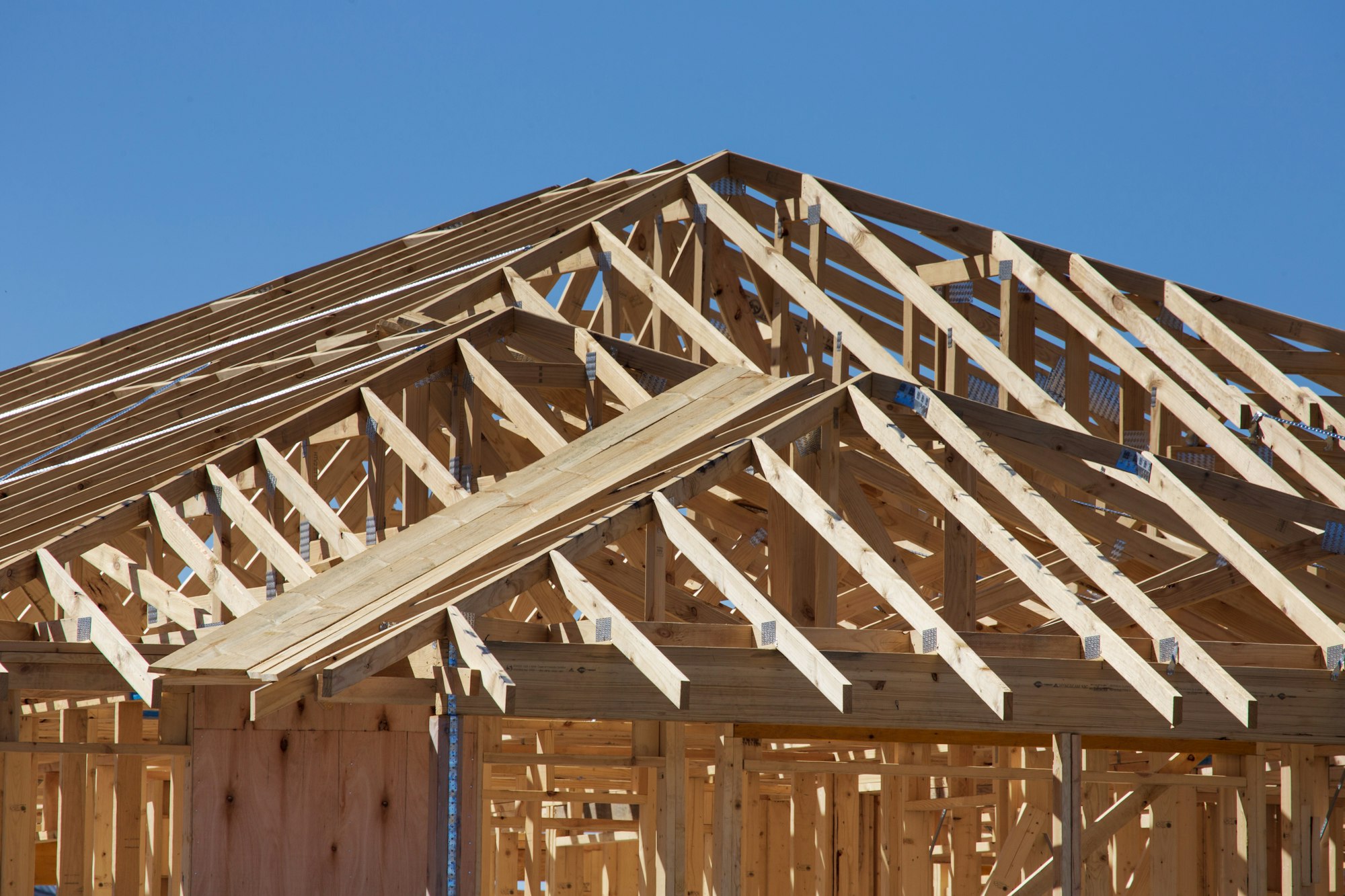
Image credit: Troy Mortier on Unsplash (Unsplash License). No acceptable non-wire image was available from the source articles.
Sources
- Reuters via Investing.com, "US single-family housing starts, building permits tumble in September": https://www.investing.com/news/economic-indicators/us-singlefamily-housing-starts-building-permits-tumble-in-september-4960069
- Trading Economics, "United States Housing Starts": https://tradingeconomics.com/united-states/housing-starts
- investingLive, "US September housing starts 1.221M vs 1.305M": https://investinglive.com/news/us-september-housing-starts-vs-1-305m/
- U.S. Census Bureau, "Monthly New Residential Construction, August 2026": https://www.census.gov/construction/nrc/pdf/newresconst.pdf
- NAHB, "Housing Headwinds Intensify Heading Into 2027": https://www.nahb.org/blog/2026/10/housing-headwinds-intensify


Let's connect
For organizations planning commercial, industrial, or infrastructure work, we will review the project and recommend the appropriate delivery approach.

Join our team
If you hold yourself to careful, accountable work, you already work the way we do.