
news +insights
Halmar Finishes Yankee Stadium Station in MTA's $965M Accessibility P3
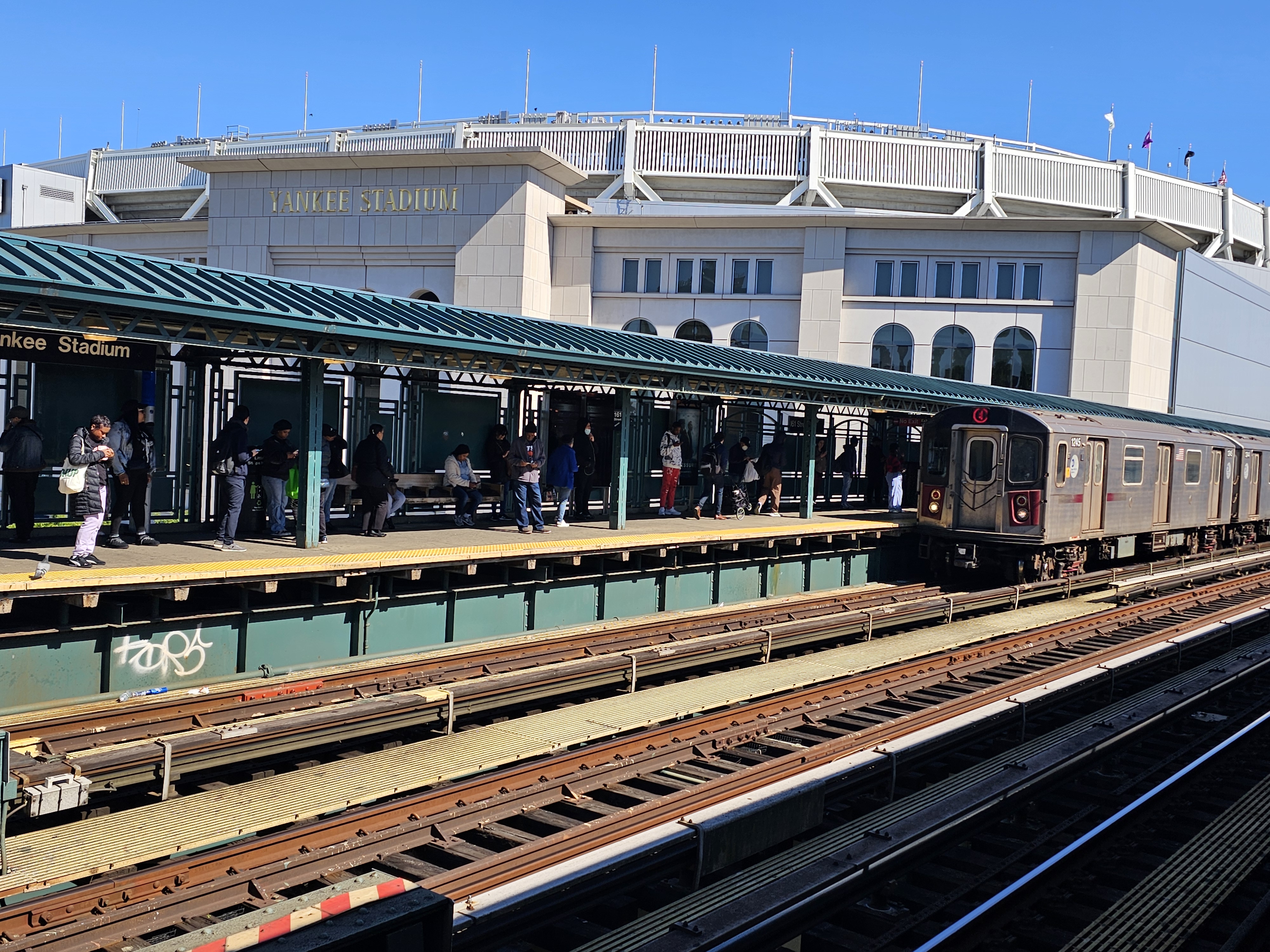
Halmar has finished the accessibility upgrade at the 161st Street-Yankee Stadium subway complex in the Bronx, the first completed station in the MTA's first transit public-private partnership, a $965.26 million program covering 13 New York City subway stations, according to Construction Dive. The company expects the remaining 12 stations to be finished in early 2027.
What Happened
Halmar announced the milestone in a mid October news release Halmar release via EIN Presswire. The station, next to Yankee Stadium, serves the 4 and B/D lines and spans multiple levels. The work delivered new accessible routes through the complex, a renovated street level entrance on 161st Street, ADA compliant fare gates and new elevators. The release refers to five new elevators in its project description while its opening paragraph describes updated and modernized elevators, and it does not reconcile the two. Construction Dive reported that, according to Halmar, all of the new vertical transportation systems at the station are now fully operational Construction Dive.
The release said the work was coordinated with the MTA so passenger service kept running throughout construction, a central constraint on any station rehabilitation in a system that operates around the clock Halmar release via EIN Presswire.
How the Contract Is Structured
The program uses a design build finance maintain model, which the release describes as "unique for the MTA." Design, construction, financing and long term maintenance are bundled under a single concession Construction Dive. The parties, as Construction Dive described them:
- Halmar Infrastructure Development is the developer and financial sponsor. The release identifies it as the U.S. arm of Italy based ASTM Group, which operates in 15 countries and has been active in the U.S. since 2017.
- Elevated Accessibility Enhancements is the concessionaire holding the prime contract.
- Halmar International, based in Nanuet, New York, leads execution.
- Forte Construction handles civil work.
Halmar Infrastructure Development will also oversee maintenance as more stations are completed Halmar release via EIN Presswire. Halmar argues that the integrated model aligns risks and responsibilities better than traditional contracts and improves coordination and accountability Construction Dive. The program has received a P3 Bulletin Award in the Social Impact category, according to the release.
Where Things Stand
The program's scope includes replacement stations at five locations and new vertical circulation, such as elevators, at eight locations Construction Dive. With 161st Street complete, 12 stations remain, and Halmar expects construction on them to wrap up in early 2027. Neither the release nor the trade report listed the remaining stations.
Implications for Owners, Developers, Contractors and Subs
- Bundling changes who the customer is. On a design build finance maintain concession, specialty contractors work for the concessionaire's team rather than directly for the public owner. Payment terms, warranty periods and performance standards flow from a long term maintenance obligation.
- Lifecycle thinking is built in. When the same team must maintain what it builds, equipment selection and serviceability get more attention during design. Elevator, escalator and fare equipment suppliers should expect that scrutiny.
- Live station work is its own discipline. Keeping trains running while replacing elevators and entrances means night and weekend work, phased access and tight coordination with transit operations.
- A model other agencies are watching. If the remaining stations finish on schedule, the program gives other transit and public owners a working example of a P3 applied to a portfolio of smaller accessibility projects rather than one large asset.
What to Watch
- Completion of the remaining 12 stations, targeted for early 2027.
- Whether the MTA uses the bundled concession approach for future accessibility packages.
- Performance of the maintenance phase now that the first station is in service.
Bottom Line
The Yankee Stadium station is the first proof point for the MTA's first transit P3. It shows the bundled model can deliver complex accessibility work in a busy, multilevel station without shutting it down. It joins a run of major New York transit and bridge work we have followed, including Second Avenue Subway Phase 2 and the Port Authority's George Washington Bridge restoration program.
Related Coverage
- Second Avenue Subway Phase 2: Civil Construction Is Underway as New York's $7 Billion Q Train Extension Takes Shape
- NYC Transit Expansion: Hochul Pushes Multiple Megaprojects Including $7.7B Second Avenue Subway Extension
- George Washington Bridge South Walk Reopens in $2B Restoration Program
- FTA Proposes Transit Grant Overhaul Tied to Design, Funding and Birth Rates
Image credit: Halmar Infrastructure Development. Image from the source article.
Sources
- Construction Dive, "Halmar completes Yankee Stadium stop on $965M subway upgrades": https://www.constructiondive.com/news/halmar-completes-yankee-stadium-stop-subway-upgrades/833390/
- Halmar Infrastructure Development via EIN Presswire, "Improved Accessible Entrances Open at 161st Street-Yankee Stadium Subway Station, Expanding ADA Access in the Bronx": https://www.einpresswire.com/article/949601667/improved-accessible-entrances-open-at-161st-street-yankee-stadium-subway-station-expanding-ada-access-in-the-bronx

Let's connect
For organizations planning commercial, industrial, or infrastructure work, we will review the project and recommend the appropriate delivery approach.

Join our team
If you hold yourself to careful, accountable work, you already work the way we do.