
news +insights
America's New Steel Revolution: U.S. Steel's $1.9 Billion DRI Plant and the Domestic Manufacturing Wave Reshaping the Industry
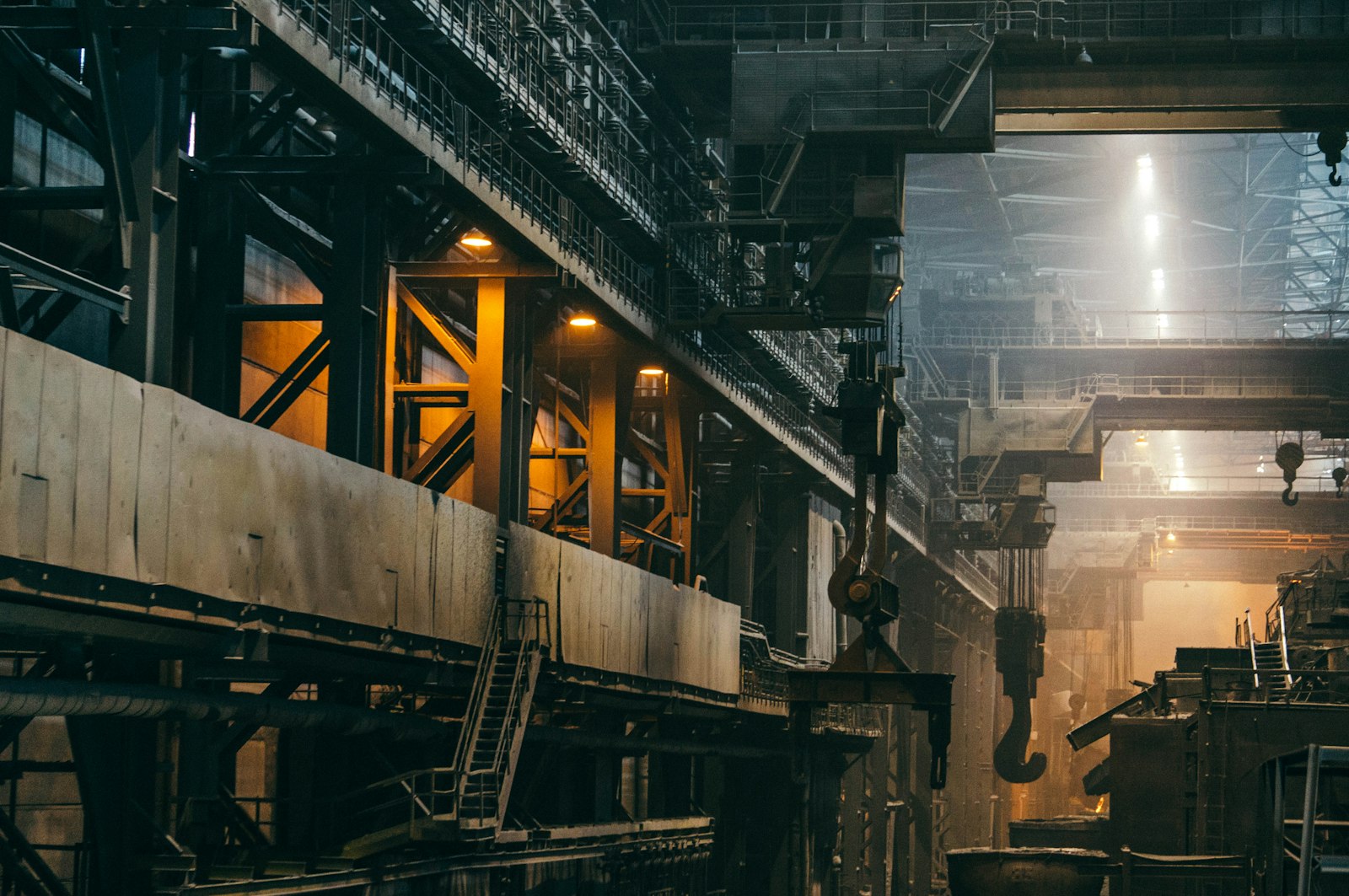
Two landmark announcements in the spring of 2026 are signaling a fundamental shift in how and where the United States makes steel — and in the scale of construction investment flowing into domestic manufacturing. On April 29, United States Steel Corporation announced a $1.9 billion investment to build the first direct reduced iron (DRI) facility of its kind in the country at its Big River Steel Works complex in Osceola, Arkansas. Separately, Hyundai Motor Group's steel subsidiary is preparing a $5.8 billion electric arc furnace integrated steel mill in Donaldsonville, Louisiana, with construction anticipated to begin in the third quarter of 2026. Together, these projects represent well over $7 billion in new steel manufacturing construction — and a construction workforce demand that will be felt from the Mississippi Delta to Northeast Arkansas for years to come.
The Big River DRI Project: A First for the United States
U.S. Steel's Big River Steel Works in Osceola, Arkansas, is already one of the most technologically advanced steel-producing facilities in North America. The company completed a $3 billion Big River 2 expansion in 2025 that nearly doubled the site's production capacity from three million to six million tons of steel annually. The project included a two-and-a-half-year construction period that created thousands of construction jobs and is now described as the largest private investment in Arkansas state history.
The new $1.9 billion DRI facility announced in April 2026 takes the next logical step. Direct reduced iron is a high-quality feedstock for electric arc furnace steelmaking — a cleaner, more flexible process than traditional blast furnace production. By siting DRI production directly at Big River Steel Works, where four electric arc furnaces are already in operation, U.S. Steel eliminates the need to source or ship DRI feedstock from elsewhere. The company estimates the project will create approximately 200 full-time positions at the facility and 35 embedded contractor roles, in addition to an estimated 2,000 construction jobs at peak activity.
The DRI facility will use iron ore pellets from U.S. Steel's Keetac mine in Minnesota, completing a vertically integrated American supply chain — ore mined in Minnesota, converted to DRI in Arkansas, and melted into finished steel coils at the same Arkansas campus. U.S. Steel CEO David B. Burritt noted that the partnership with Nippon Steel, which now owns U.S. Steel, helped accelerate this investment years sooner than would have otherwise been possible. Nippon Steel confirmed the project is one specific investment within its broader $11 billion commitment to U.S. Steel and American steelmaking.
What the Big River Campus Already Includes
The completed Big River 2 expansion gave the Arkansas campus a suite of capabilities that no other North American steel site can match. The complex includes the only endless steel processing (ESP) line on the continent — a combined caster and hot rolling mill that can take a 200-ton batch of molten steel to finished coil in as little as 25 to 30 minutes. The campus also features three continuous galvanizing lines, a non-grain-oriented electrical steel line used in EV motors and power transformers, and a paint line. Big River Steel was also the first steel mill in North America to earn ResponsibleSteel™ certification, confirming its environmental and social performance credentials.
The DRI project adds the final piece: secure, domestically sourced feedstock that eliminates supply chain risk and further reduces the carbon intensity of the steelmaking process. The company's specialty steel brands — including verdeX® steel and InduX™ electrical steel — are specifically positioned for the automotive, construction, appliance, solar, and energy markets, all of which are growing fast in 2026.
Hyundai Steel's Louisiana Mill: A $5.8 Billion Industrial Construction Start
While U.S. Steel is investing in its Arkansas complex, Hyundai Motor Group is preparing to break ground on an entirely new integrated steel mill on the banks of the Mississippi River in Donaldsonville, Louisiana. The $5.8 billion facility, announced in March 2025, will be the first North American steel plant for Hyundai Steel Company and is expected to produce 2.7 million metric tons of steel annually using an electric arc furnace process that generates 70 percent fewer emissions than traditional blast furnace production.
The site is approximately 1,700 acres at the RiverPlex MegaPark in Ascension Parish — part of the largest undeveloped deep-water Mississippi River industrial tract in the country at roughly 17,000 acres. The project is projected to create more than 1,300 direct jobs with an average salary of $95,000, plus approximately 4,100 indirect jobs in the Capital Region, for a total economic impact of roughly 5,400 potential jobs. Louisiana Economic Development secured the project in partnership with Governor Jeff Landry, with support that includes infrastructure upgrades for road, rail, electric, pipeline, deep-water dock, and transmission systems serving the site.
Construction is anticipated to begin in the third quarter of 2026. Finished coils will be shipped by rail and truck to customers including Hyundai Motor Company, Kia, and U.S. automakers — establishing an integrated, made-in-America automotive steel supply chain that the Hyundai group currently sources from overseas. The facility will also provide job training through River Parishes Community College, part of Louisiana's FastStart workforce development program.
Why This Matters for the Construction Industry
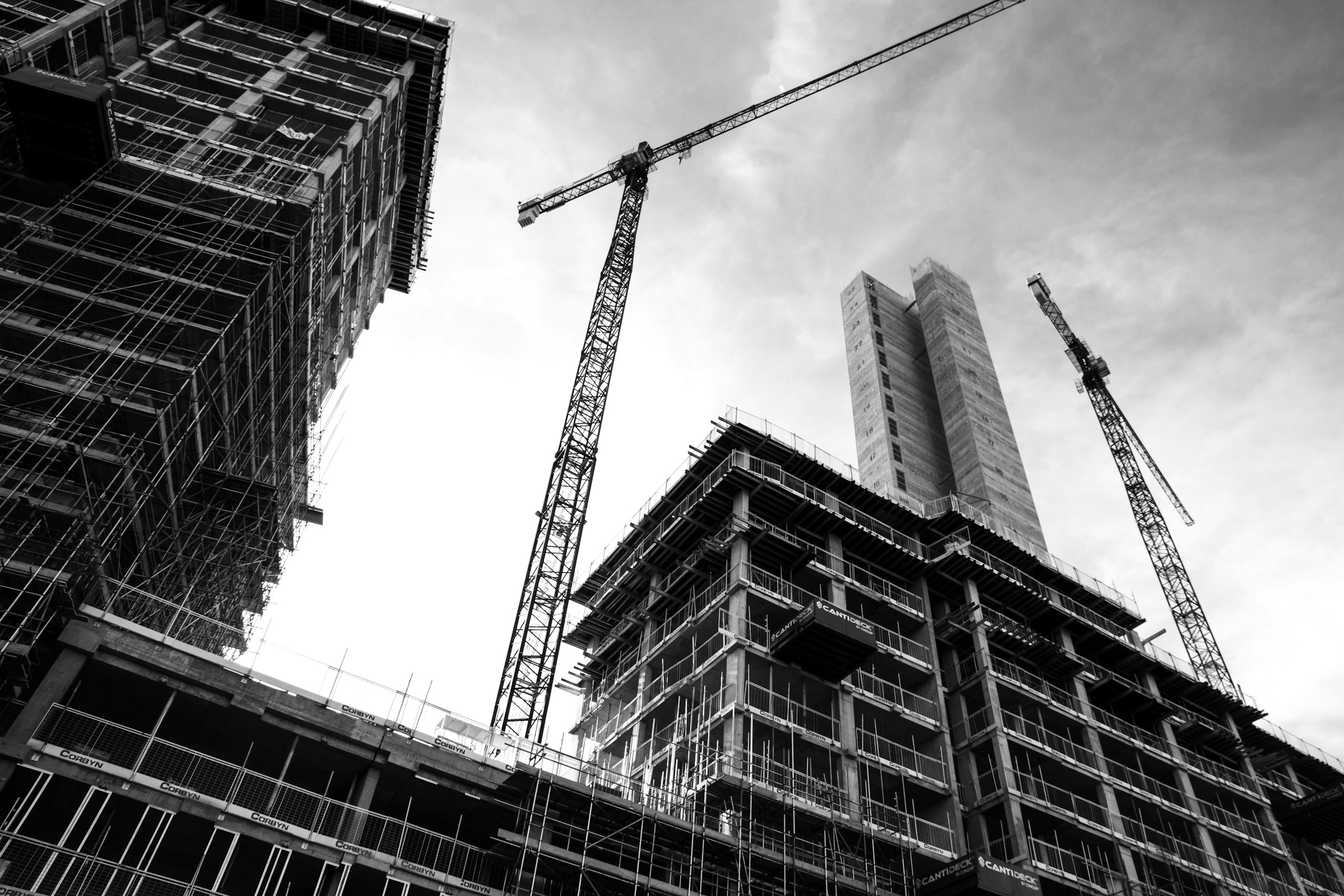
For the construction industry, the steel manufacturing revival has direct and cascading effects. Both projects require substantial industrial construction — civil site work, structural steel erection, mechanical and process piping, electrical infrastructure, and highly specialized equipment installation. The 2,000-person peak construction workforce at the U.S. Steel DRI site in Arkansas is significant for a relatively rural region of the Mississippi Delta.
Downstream, a stronger domestic steel sector matters for every construction project in the country. According to Skanska's Spring 2026 Construction Market Trends report, wide-flange structural steel pricing rose $100 per ton from October 2025 into early 2026, and hot-rolled coil prices climbed nearly 45 percent since mid-2025. Tariffs under Section 232 have imposed a 50-percent rate on imported steel, while structural steel lead times have stretched to 40–45 weeks at large fabricators — roughly double the pre-2020 baseline. Expanded domestic production from facilities like Big River and the new Hyundai mill is one of the few medium-term supply-side responses to those pressures.
The steel manufacturing construction wave is not limited to these two projects. In West Virginia, Nucor is developing a new sheet mill targeted for a 2027 launch. The Global Energy Monitor's industry tracker documents additional EAF mill investments at various stages of development across the Southeast and Midwest, reflecting a broader industry shift away from integrated blast furnace production toward cleaner, more flexible electric arc technology. American steelmaking is being rebuilt — and the construction industry is the first beneficiary and the long-term customer.
Looking Ahead
The timing of both projects is notable. The U.S. Steel DRI investment was announced just six months after Big River 2 reached full production — a rapid reinvestment cycle enabled by the Nippon Steel partnership. The Hyundai mill, if construction begins on schedule in Q3 2026, will represent one of the largest single industrial construction starts in Louisiana's history. Both projects signal that domestic steel investment is accelerating, not pausing, even amid broader uncertainty about tariffs and trade policy.
For construction firms with expertise in industrial plant work, process piping, electrical systems, or large civil earthwork, the pipeline of domestic steel manufacturing construction represents a substantial opportunity. The common thread across both projects is vertical integration — the drive to build a complete American supply chain from raw materials to finished product, reducing dependence on imports and capturing domestic value at every step.
Sources
U.S. Steel Corporation — First-of-Its-Kind DRI Facility Announcement, April 29, 2026 (ussteel.com)
Nippon Steel — DRI Investment Press Release PDF, April 30, 2026 (nipponsteel.com)
U.S. Steel — Big River 2 Expansion Completion Overview (ussteel.com)
Skanska USA — Spring 2026 Construction Market Trends Report (skanska.com)

Let's connect
For organizations planning commercial, industrial, or infrastructure work, we will review the project and recommend the appropriate delivery approach.

Join our team
If you hold yourself to careful, accountable work, you already work the way we do.