
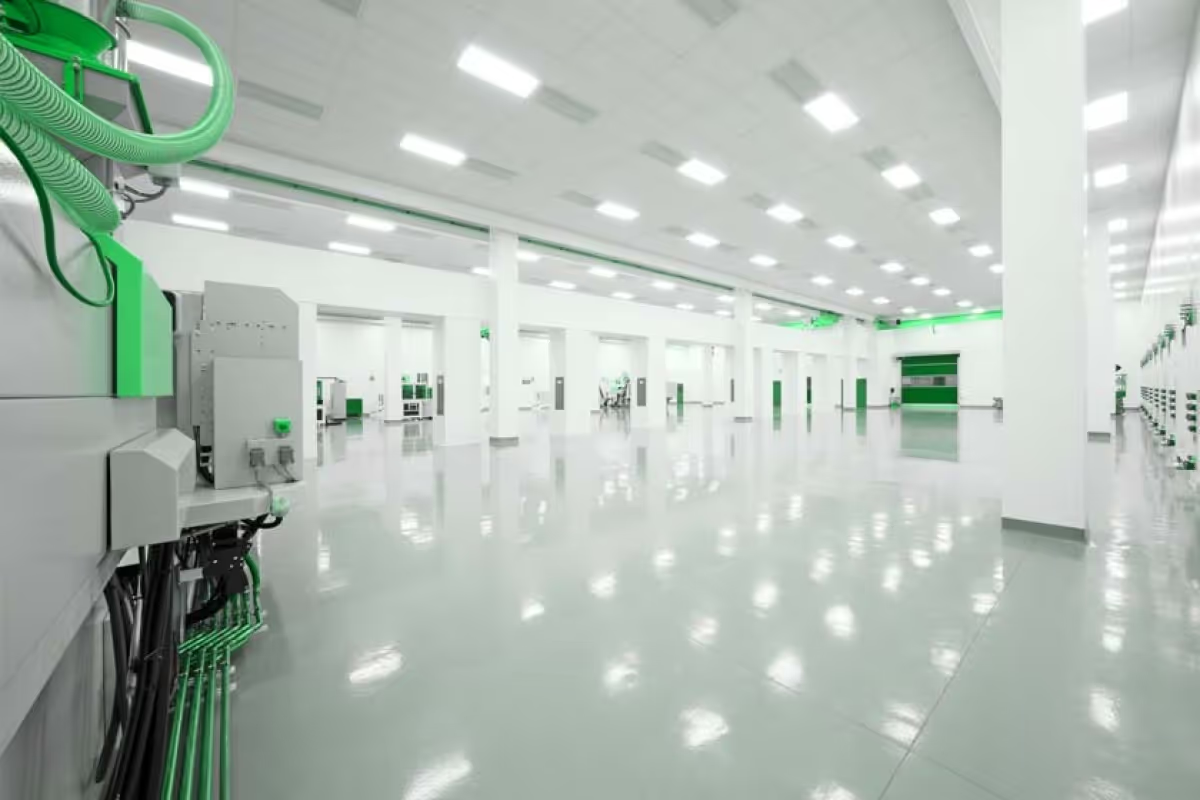
Transform Your Space: The Ultimate Guide to Clean Room Construction and Maintenance
Did you know that the cleanliness of your workspace can directly impact productivity and health? In today's world, especially in industries such as pharmaceuticals, biotechnology, and electronics, maintaining a clean room is not just a preference; it's a necessity. This guide dives into the fundamentals of clean room construction and maintenance, providing valuable insights on how to create and uphold a contamination-free environment. Here, we will explore the essential components of clean room design, best practices for maintenance, and the critical regulations that govern clean room standards.
Understanding Clean Rooms
Clean rooms are specially designed environments that minimize the introduction and retention of airborne particles, contaminants, and microorganisms. They are essential in industries where even the smallest particle could adversely affect products or processes. Clean rooms are classified according to the maximum allowable particle count—ISO 1 being the cleanest to ISO 9 being the most contaminated.
Key Components of Clean Room Design
1. Air Filtration Systems
Air quality is crucial in maintaining a clean room. High-Efficiency Particulate Air (HEPA) filters are standard in clean room applications. They can trap over 99.97% of particles that are 0.3 microns in size—ensuring that clean, filtered air circulates within the environment. Proper placement of the filtration system and airflow patterns must be analyzed during the design phase to achieve optimal performance.
2. Controlled Environment
Temperature, humidity, and pressure within a clean room must be carefully monitored and controlled. For instance, maintaining a specific temperature range can influence the physical properties of materials used in production. Likewise, humidity control prevents moisture from damaging sensitive products.
3. Materials and Surfaces
The selection of materials for walls, floors, and ceilings is critical in reducing contamination. Non-porous, smooth materials are preferred as they do not harbor dust or particles. Moreover, stringent cleaning protocols must be developed for these surfaces to ensure no contaminants remain.
Clean Room Construction Steps
1. Plan the Layout
A well-planned layout ensures that workflows are efficient while reducing the risk of contamination. Consideration for gowning areas, decontamination rooms, and equipment placement is vital. An efficient layout also includes unidirectional airflow to further limit contamination risks.
2. Choose the Right Contractor
Selecting a contractor with expertise in clean room construction is essential for adhering to regulations and standards. They should provide a portfolio that showcases previous relevant projects, demonstrating their capability to deliver a compliant clean room.
3. Implement Quality Assurance Practices
Throughout the construction process, regular inspections and quality assurance practices must be in place to ensure that every element of the clean room meets necessary standards. This includes reviewing material samples, adhering to architectural drawings, and ensuring all installations comply with regulatory requirements.
Maintenance of Clean Rooms
Once a clean room is constructed, diligent maintenance is critical in ensuring ongoing cleanliness and compliance. Here are several essential practices:
1. Routine Cleaning Protocols
Implement a strict cleaning schedule that includes daily, weekly, and monthly cleaning tasks. Daily tasks may involve wiping surfaces and vacuuming with HEPA-filtered vacuums, while monthly tasks could involve deep cleaning of all equipment and surfaces.
2. Regular Monitoring
Periodic assessments of air quality and contamination levels are necessary to identify any issues promptly. This involves using particle counters to ensure that clean room standards are upheld and that the system is functioning efficiently.
3. Employee Training
Employees play a vital role in maintaining the integrity of a clean room. Regular training sessions should be conducted to ensure staff understand the importance of following procedures, proper gowning techniques, and how to handle contamination incidents.
Regulations and Compliance
Clean rooms must comply with specific industry regulations and standards, such as Good Manufacturing Practices (GMP) for the pharmaceutical sector. These regulations ensure that the clean room environment meets stringent requirements for cleanliness, materials, and procedures. It's crucial to stay updated on these regulations to avoid non-compliance issues.
The Future of Clean Room Construction
As industries evolve and technology advances, the design and construction of clean rooms are following suit. Innovations such as modular clean rooms allow for flexibility and efficiency in design. These modular solutions can be adapted for various uses and can be relocated if necessary, providing immense value to businesses.
Conclusion: Where Do We Go From Here?
In summary, the importance of clean room construction and maintenance cannot be overstated. A clean room environment is vital for industries that require contamination control to maintain product integrity. Understanding the components of clean room design, establishing rigorous maintenance protocols, and adhering to industry regulations is essential for success. By following these guidelines, businesses can create a productive and safe environment. If you're ready to start your clean room construction project, call Westside Construction for clean room construction or design services today! Learn more about how we can help you build a compliant and efficient clean room by visiting buildwcg.com. Your clean room is not just a space; it's the foundation of quality and integrity in your processes. Embrace the journey to a cleaner, safer workspace today!



Discuss an Upcoming Project


