

news +insights
Sparrows Point Container Terminal Breaks Ground: Baltimore's $1.2 Billion Port Transformation
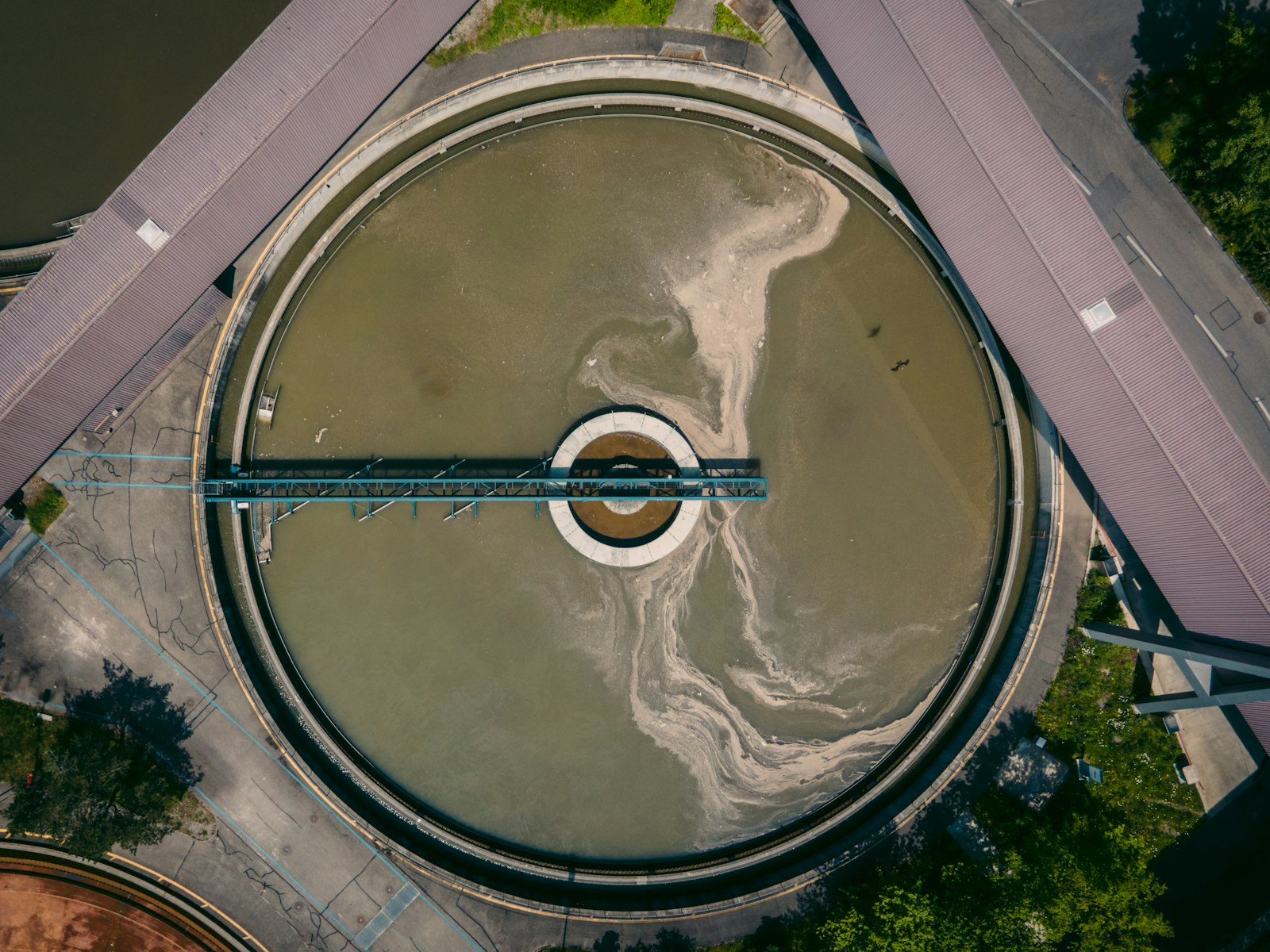
One of the largest private container terminal investments in U.S. history broke ground on May 1, 2026, at the former Bethlehem Steel site in Sparrows Point, Maryland. Tradepoint Atlantic and Terminal Investment Limited (TiL) have committed approximately $1.2 billion in private financing to construct the Sparrows Point Container Terminal, a 168-acre facility with an adjacent 162 acres of support infrastructure at Coke Point along the Port of Baltimore.
When it opens in 2030, the terminal is projected to lift the Port of Baltimore from the sixth-largest container port on the Eastern Seaboard to the third largest, handling approximately 1 million containers annually and generating an estimated $1.5 billion in annual economic activity for the state of Maryland.
What Is Being Built
The terminal's physical scope is substantial. The facility will feature seven ship-to-shore cranes capable of simultaneously serving two ultra-large container vessels — the class of ships that now dominates global trade. An on-dock rail facility will provide direct intermodal connectivity, allowing double-stack rail cars to move cargo directly from the terminal to markets across the Midwest and beyond without requiring additional truck trips.
The 168-acre primary terminal area will be developed for container operations, while the remaining 162 acres of support facilities are designed to enhance throughput efficiency. According to the Maryland Governor's Office, total container handling capacity at the Port of Baltimore will expand by 70 percent once the terminal is operational.
The Financing Structure
The project blends major private investment with targeted public support. Tradepoint Atlantic and TiL — a global terminal operator owned by MSC Mediterranean Shipping Company and Global Infrastructure Partners — provided the $1.2 billion in private capital. Maryland's state government is contributing $88 million through multiple programs: $48 million in conditional loans via the Sunny Day Fund, $2 million through the Advantage Maryland program, and $38 million in fiscal year 2025 and 2026 budget allocations.
Federal support comes through a nearly $40 million grant from the U.S. Maritime Administration's Port Infrastructure Development Program (PIDP). A payment in lieu of taxes (PILOT) agreement with Baltimore County rounds out the public financing picture. U.S. Senator Chris Van Hollen noted in remarks at the groundbreaking that the federal grant was secured through the infrastructure modernization legislation passed in recent years.
Jobs and Economic Impact
Employment projections for the project are significant. The terminal is expected to directly support 1,100 permanent jobs for members of the International Longshoremen's Association Local 333, with an additional 7,000 indirect positions connected to terminal operations. Combined with the construction workforce needed over the next four years, Sparrows Point is shaping up to be one of the larger employment-generating construction projects on the East Coast.
The broader context matters here. Tradepoint Atlantic has spent more than a decade repurposing the 3,300-acre former Bethlehem Steel site into a multimodal logistics and industrial center. The container terminal represents the next chapter of that effort, and TiL's involvement signals confidence from a global operator with holdings in ports across multiple continents.
Why Baltimore, Why Now
The Port of Baltimore's location makes it one of the most inland-reaching deep-water ports on the Eastern Seaboard. Its proximity to major interstate corridors and the CSX and Norfolk Southern rail networks makes it a natural candidate for expanded intermodal freight handling. The new terminal's on-dock rail design reinforces that strategic positioning.
The groundbreaking also carries symbolic weight for the city. The collapse of the Francis Scott Key Bridge in March 2024 disrupted port operations and focused national attention on Baltimore's maritime infrastructure. The Key Bridge reconstruction remains a separate, longer-term effort — but the Sparrows Point investment signals that private capital is betting on Baltimore's long-term port future regardless of that ongoing challenge.
According to the MARAD Administrator, the terminal will "dramatically strengthen America's maritime supply chain and expand domestic cargo capacity on the East Coast." For owners and developers tracking large industrial and logistics construction opportunities, the preconstruction, civil, marine, and systems work associated with a facility of this scale will generate significant subcontracting and supply chain activity over the next four years.
What Comes Next
The Army Corps of Engineers issued a permit for the proposed Sparrows Point Container Terminal in January 2026, clearing a major regulatory hurdle. A construction timeline was published in March 2026, with phased delivery targeting a 2030 completion. Seven ship-to-shore cranes will be procured and installed as the facility nears completion, and testing of intermodal rail connections will follow structural completion of the terminal itself.
For the construction industry, this project represents the kind of multi-year, large-scale marine and industrial work that defines a generation of port development. The combination of deep-water marine civil work, crane foundation engineering, large-area paving and site development, rail infrastructure, and complex utility systems makes Sparrows Point a full-spectrum industrial construction program.
Sources
Maryland Governor's Office — Sparrows Point Groundbreaking Press Release, May 1, 2026 | Sparrows Point Container Terminal Official Project Site | Tradepoint Atlantic Press Release, May 2026 | Progressive Railroading — Construction Starts on Container Terminal | The Bay Net — Gov. Moore Launches $1.2B Port Expansion



Let's connect
For organizations planning commercial, industrial, or infrastructure work, we will review the project and recommend the appropriate delivery approach.

Join our team
If you hold yourself to careful, accountable work, you already work the way we do.