
news +insights
Senior Housing Construction Is at a 13-Year Low, Just as 4 Million More Americans Turn 80
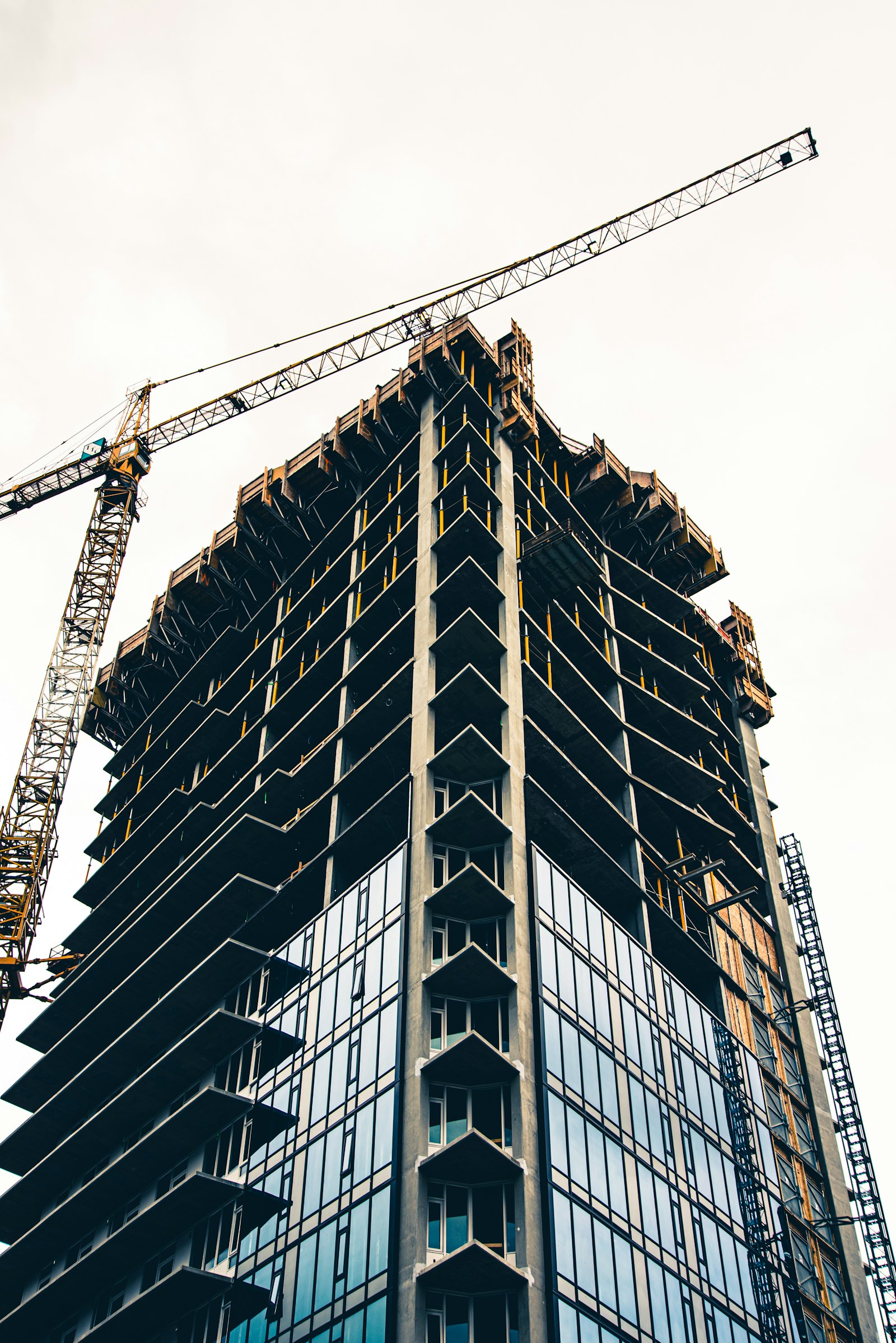
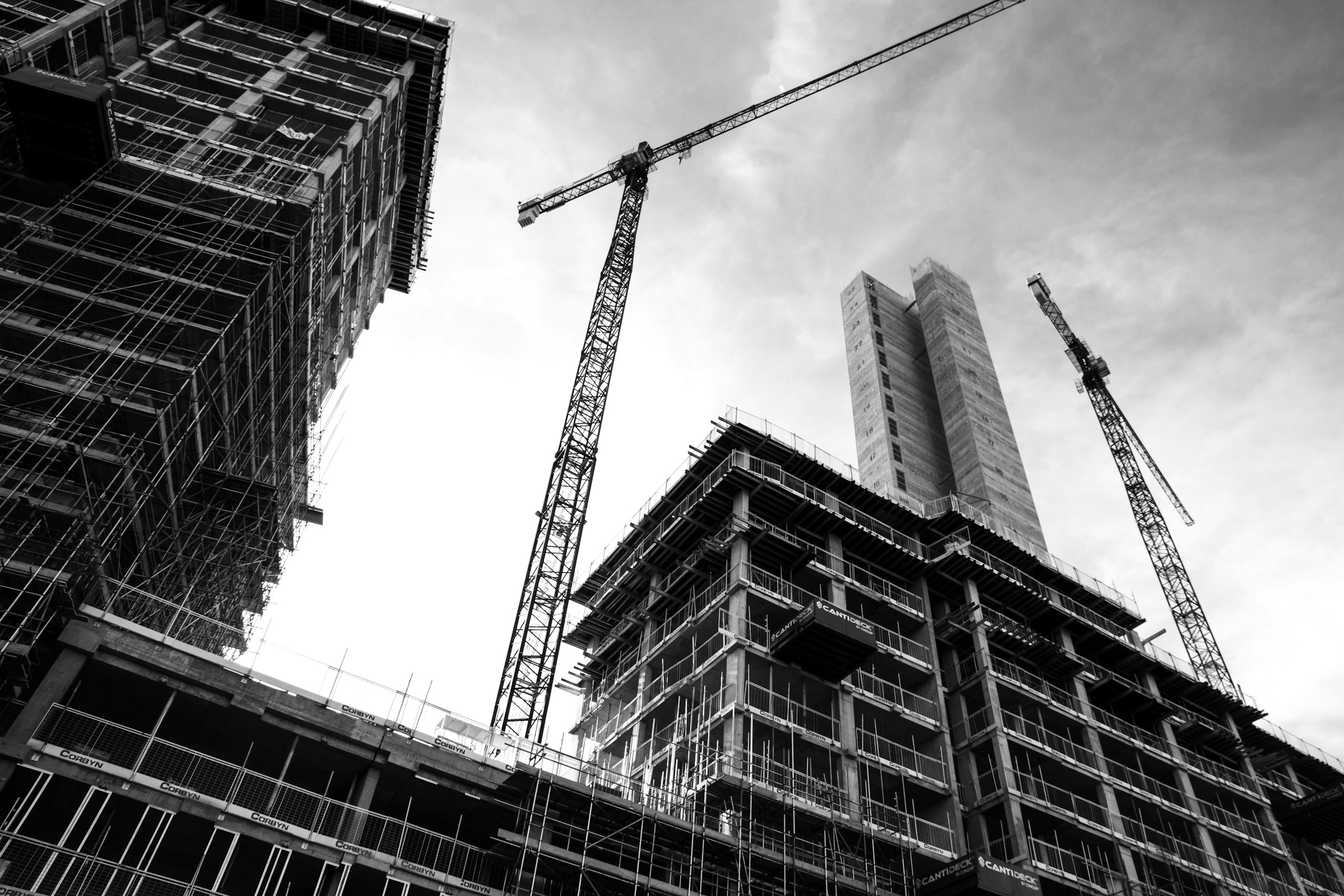
The oldest Baby Boomers turned 80 in 2025. By 2030, the U.S. population aged 80 and older will grow by more than 4 million people, reaching approximately 18.8 million — the largest surge in the history of American senior housing demand. The problem is that the construction industry is nowhere near ready to meet it.
According to the National Investment Center for Seniors Housing & Care (NIC), senior housing occupancy reached 89.1% in the fourth quarter of 2025 — the highest level recorded in nearly two decades of NIC tracking. Net absorption has outpaced new openings for seventeen consecutive quarters. Yet the construction response has moved in the opposite direction.
Construction Is at Its Lowest Point Since 2012
Units under construction in primary markets fell to roughly 17,000 as of the third quarter of 2025, the lowest figure since NIC MAP began systematic tracking in 2012, according to NIC MAP's five-trend outlook for 2026. Year-over-year inventory growth hit a record low of 0.4% in the first quarter of 2026 — a figure that has continued to shrink as the gap between demand and development widens.
As of the third quarter of 2025, nearly 60% of the 140 markets tracked by NIC MAP had no new senior housing development projects underway at all. Three years earlier, only one-third of markets lacked active construction. The contraction has been dramatic and geographically broad.
"We aren't yet seeing new development pick up, and the bottleneck is largely on the capital side, not from lack of demand," said Lisa McCracken, NIC's head of research and analytics, in an April 2026 NIC press release. "With elevated costs for labor and materials, and property valuation dynamics, many groups simply aren't ready to pull the trigger on projects just yet. As a result, investors favor acquiring existing properties over new construction, which puts pressure on the availability of senior housing for the consumer."
The Numbers Behind the Shortage
The gap between projected need and current trajectory is staggering. According to research published by the Argentum industry association citing NIC MAP data, the U.S. will need more than 560,000 new senior housing units by 2030 to meet projected demand. At the current pace of development, approximately 191,000 units will actually be added — a shortfall approaching 370,000 units.
NIC MAP projects that to maintain 90% occupancy by 2030, the industry would need to develop at nearly twice its historical maximum pace — a benchmark it has never sustained for a multi-year period. Looking further out, McKnight's Senior Living, citing NIC MAP Vision data, reports that the cumulative investment gap will grow to more than $1 trillion by 2041 if the pace does not accelerate substantially.
NIC analysts expect the industry to cross 90% average occupancy before the end of 2026, which would mark the highest occupancy rate in the 20 years the organization has tracked data. For perspective, the industry averaged occupancy above 90% in 2019 before the pandemic-era contraction — but the supply environment then was dramatically different.
Why Developers Aren't Building
The construction stall is not driven by weak demand — developers and analysts universally agree that demand is robust and accelerating. The friction is on the supply side: financing conditions, construction costs, and project economics that have made new ground-up development difficult to pencil in most markets.
According to The Weitz Company's 2026 Senior Living Construction Cost brief, cost escalation for the sector is running at 3% to 4% in 2026 — a marked improvement from the 8% to 12% pandemic-era spikes — but absolute construction costs remain at elevated levels. Assisted living construction costs currently range from approximately $278 to $354 per square foot at the mid level and $363 to $452 at the high level on a national index basis, according to Weitz data cited by the Ohio NAELA.
At those per-square-foot costs, a 100-unit assisted living community can easily run $35 million to $55 million or more in construction costs alone — before land, soft costs, and financing. With capital markets still cautious on new senior housing development after several years of turbulence, many projects that are economically viable in theory remain unfunded in practice.
PwC and the Urban Land Institute noted in their Emerging Trends in Real Estate report that senior housing is experiencing "constrained supply due to factors impacting all property types, including increasing financing and construction costs," and that in several markets the number of units being taken offline is outpacing new deliveries.
What 90% Occupancy Actually Means
When occupancy climbs above 90%, communities gain pricing power and operating leverage — favorable for existing operators and investors. But for families seeking placement, high occupancy translates into waitlists, limited options, and in some cases no available beds in certain markets.
"With the first Baby Boomers turning 80 in 2026, we anticipate that the demand for housing and services will continue to grow," McCracken said in NIC's January 2026 press release. "The rising occupancies and low inventory growth is going to lead to some real-life challenges for older adults and their families in certain markets."
NIC MAP data shows that rent growth in 2025 averaged 4.3% annually for senior housing — above the rate of general inflation — driven directly by the occupancy-demand dynamic. As 2026 progresses with inventory growth at or near record lows and demand accelerating, further rent escalation is expected.
The Long-Term Construction Imperative
The math is clear to anyone working in construction or development: senior housing represents one of the most durable demand environments in the built environment for the foreseeable future. The demographic momentum is locked in — the population aged 80 and older will grow by more than 7 million people over the next decade, and that cohort drives senior housing utilization rates dramatically higher than adjacent age groups.
For the construction industry, the question is whether capital formation, project economics, and financing conditions will improve fast enough to unlock new supply before the shortage becomes structurally severe. Senior Housing News reported in February 2026 that the industry is "ready to grow, but struggling to build" — a phrase that captures the paradox of a sector with unprecedented demand and historically constrained new development simultaneously.
The window for meaningful supply response is narrowing. Projects that break ground in 2026 or 2027 will typically take 24 to 29 months to reach occupancy — meaning today's development decisions will define availability in 2028 and 2029, precisely when the second wave of Baby Boomer 80th birthdays peaks.
Sources
https://www.nic.org/news-press/occupancy-rate-for-senior-living-communities-increased-in-2025-as-construction-stalled/
https://www.nicmap.com/blog/senior-housing-five-key-trends-to-watch-in-2026/
https://www.nicmap.com/blog/senior-housing-industrys-next-challenge-a-demand-surge-without-the-supply-to-match/
https://www.argentum.org/senior-housing-shortage-or-opportunity-preparing-for-the-boomer-wave-in-senior-living/
https://www.mcknightsseniorliving.com/news/1-trillion-investment-shortage-in-senior-living-development-expected-by-2040/
https://www.weitz.com/2026-senior-living-construction-costs-issue-1/
https://www.pwc.com/us/en/industries/financial-services/asset-wealth-management/real-estate/emerging-trends-in-real-estate-pwc-uli/property-type-outlook/senior-housing.html
https://seniorhousingnews.com/2026/02/03/assisted-living-construction-costs-rise-in-2026-independent-living-costs-remain-flat/

Let's connect
For organizations planning commercial, industrial, or infrastructure work, we will review the project and recommend the appropriate delivery approach.

Join our team
If you hold yourself to careful, accountable work, you already work the way we do.