
news +insights
Niagara Digital Campus: A $1.5 Billion Data Center Proposal Navigates the Path to Groundbreaking in Niagara Falls
Few proposed construction projects in Western New York carry the scale of the Niagara Digital Campus. Backed by Manhattan developer Niagara Falls Redevelopment (NFR), controlled by billionaires Howard and Edward Milstein, and built in partnership with Toronto-based Urbacon, the initiative calls for a $1.48–1.5 billion data center and technology campus across 53 acres of land NFR already owns in downtown Niagara Falls, New York. If approved and built, it would be one of the largest private construction investments in the history of Upstate New York.
What Is Being Proposed
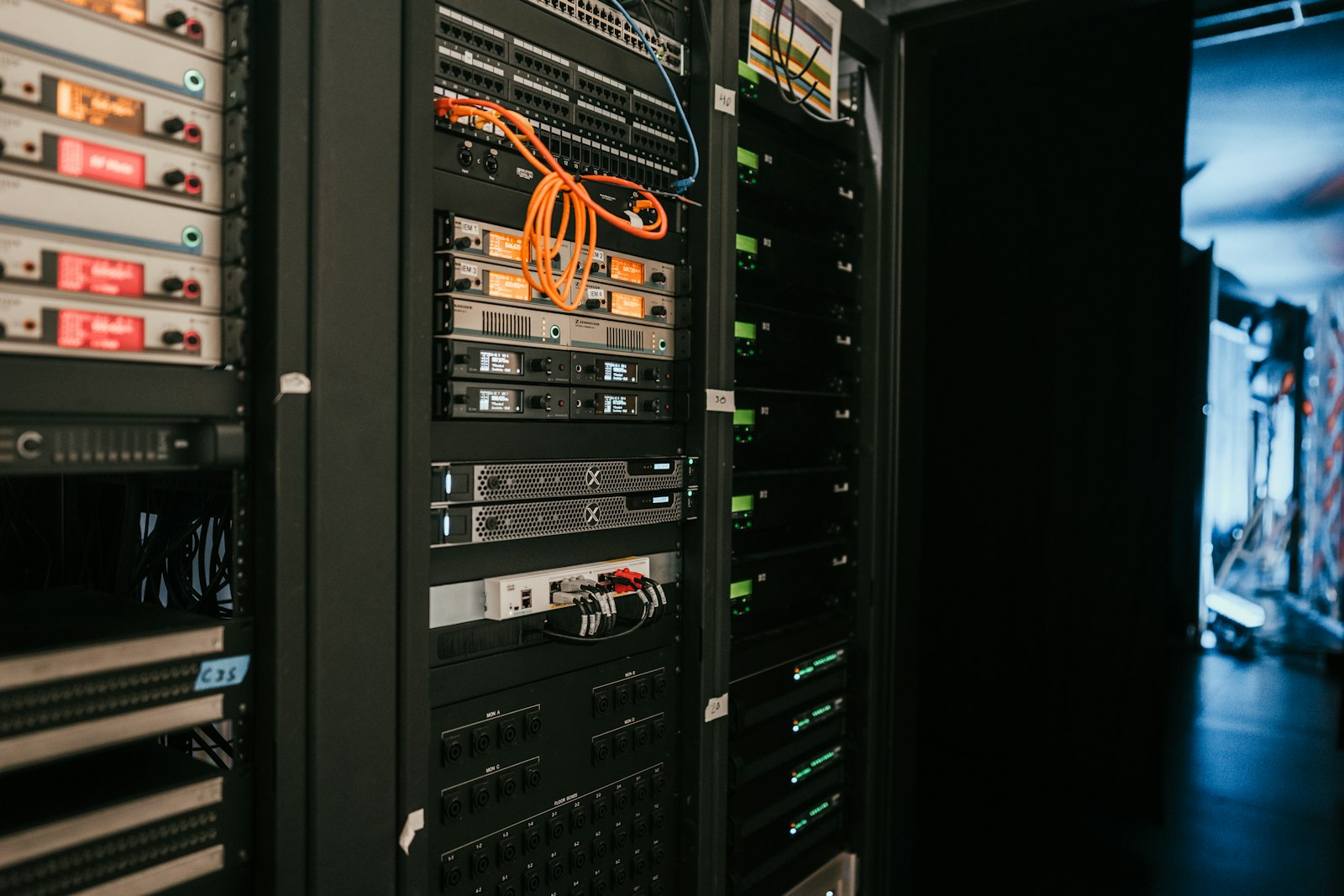
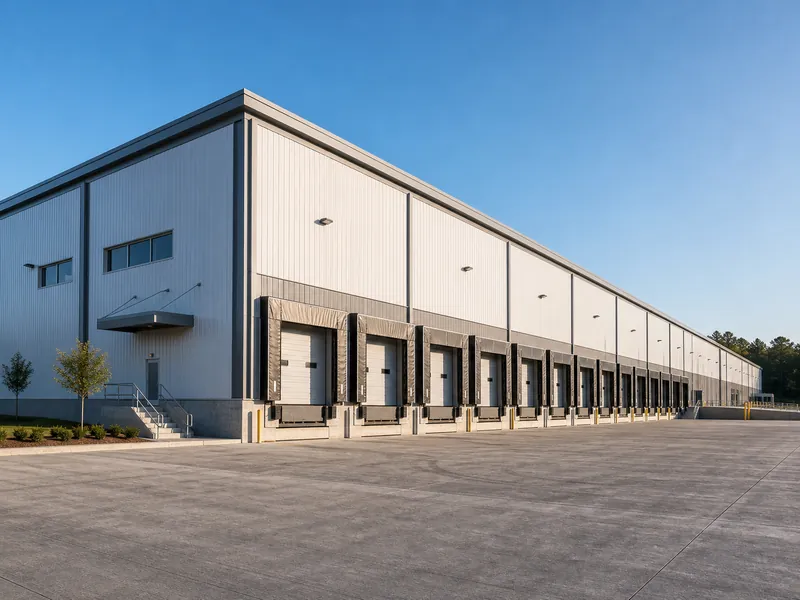
The campus would include nine buildings totaling approximately 1.2 million square feet of high-security, technologically advanced data center space on 53 acres near the intersection of John B. Daly Boulevard and Falls Street. An on-site electrical substation, funded entirely by the developers, would supply up to 140 megawatts of power. Phase I — divided into Phase IA and Phase IB — would cover roughly 282,000 of the eventual 600,000 square feet of data center space and is designed to be built over approximately 24 months from groundbreaking.
The site sits in what was historically a light industrial corridor — once home to warehouses and fabrication shops that supported the chemical and manufacturing plants on Buffalo Avenue nearby. As the Niagara Falls Reporter noted in April 2026, the proposed location is not far from the Adams Power Plant site, one of the first large-scale electric generation facilities in the world, built in the late 1800s using Nikola Tesla's alternating current technology. The same cheap, abundant hydroelectric power that built an industrial empire there in the 20th century now makes Niagara Falls a natural candidate for data infrastructure in the 21st.
Jobs and Economic Projections
According to an economic analysis commissioned by NFR and conducted by MRB Group, the project would produce an estimated 5,600 construction jobs during the multi-year buildout, 550 permanent high-paying positions, and total economic benefits exceeding $2 billion over 20 years. The first phase alone is projected to generate more than $54 million in property tax revenue over 20 years, compared to minimal tax generation on the currently underutilized parcels. For context, an NFR analysis estimates that the project could save the average Niagara Falls homeowner approximately $730 annually in property taxes if the tax base grows as projected. The project requires no taxpayer funding — the developers are privately financing construction and the substation.
Where the Approvals Stand
Progress has been complicated. The City of Niagara Falls enacted a moratorium on commercial data centers in December 2021, and later a High Energy Use Law (HEUL) in 2022, both of which created zoning obstacles for the project. NFR spent 2023 and 2024 filing applications, responding to city challenges, and refiling updated submissions.
In October 2024, NFR filed a 500-page application with the city for a Negotiated Planned Development District (PUD) that would rezone approximately 53 acres to permit the data center. That application was subsequently considered withdrawn by city officials when NFR attempted revisions. In May 2025, NFR refiled an updated PUD petition and a parallel Text Amendment Request to revise the city's HEUL, addressing noise concerns with new acoustic data showing the facility would comply with applicable standards.
In December 2025, the Falls Planning Board rejected a modified application. However, by early 2026 Mayor Robert Restaino had adopted a more conciliatory tone, telling the Niagara Gazette in March that he believed the two sides were close to resolving their differences — including a possible "two-project solution" that could accommodate both the data center and a proposed Centennial Park on portions of NFR's land. As of April 2026, a new application incorporating additional parcels along Falls Street was under review, and NFR stated it was prepared to begin construction within six months of receiving all necessary approvals.
Why It Matters for the Construction Industry
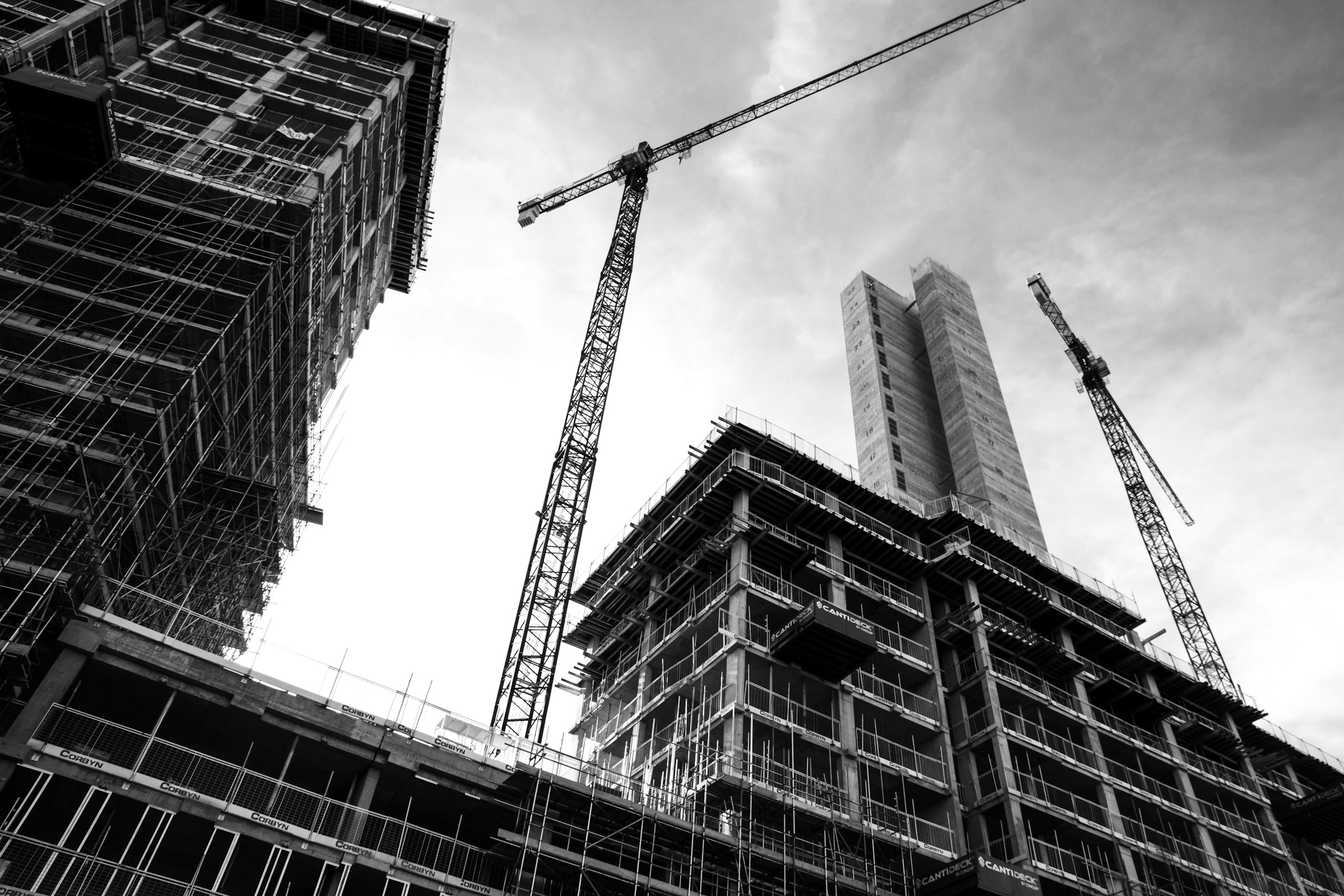
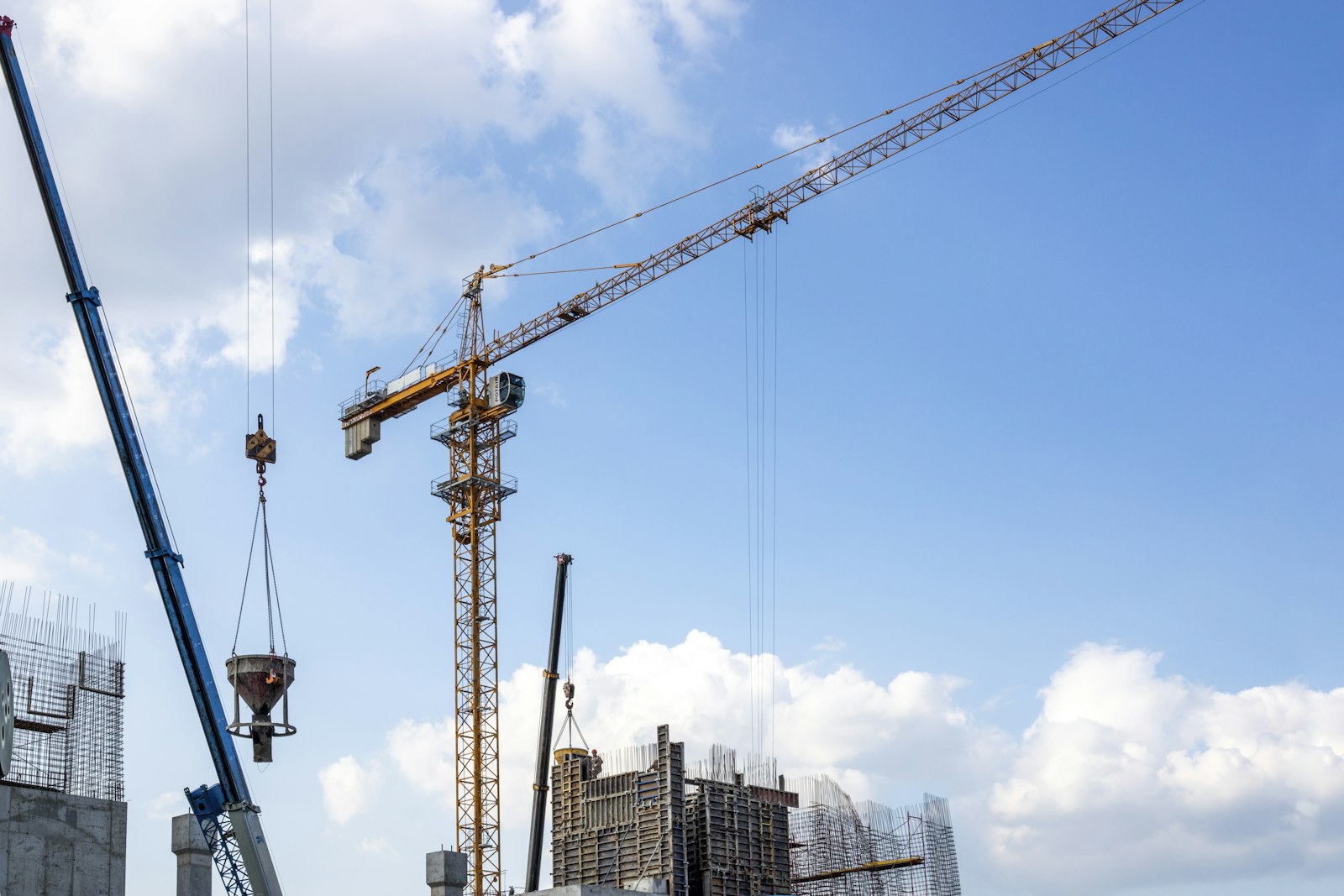
Data center construction is among the most labor-intensive categories in the commercial sector. A 1.2-million-square-foot campus of this complexity requires electricians, structural steel workers, concrete finishers, mechanical contractors, and specialized low-voltage and IT infrastructure installers over a sustained multi-year program. For Western New York's construction trades, a project of this scale — 5,600 construction jobs spread across multiple phases and years — would represent a sustained pipeline of work unlike almost anything seen in the Niagara region in recent decades.
Whether and when those jobs materialize still depends on the Niagara Falls planning and zoning process. But with the developers stating readiness to proceed immediately upon approval, and with city leadership signaling willingness to find a path forward, the project remains one of the most consequential development decisions facing Western New York in 2026.
Sources
- Niagara Digital Campus official site — NFR and Urbacon project overview
- Baxtel – Urbacon: Niagara Digital Campus data center profile
- Niagara Falls Reporter – Niagara Falls can power forward with data center opportunity (April 2026)
- Niagara Express – NFR presses on data center (May 2025)
- Yahoo News / Niagara Gazette – City weighs two-project solution (April 2026)
- Frank Report – $1.5 billion project and economic impact analysis (January 2026)
Let's connect
For organizations planning commercial, industrial, or infrastructure work, we will review the project and recommend the appropriate delivery approach.

Join our team
If you hold yourself to careful, accountable work, you already work the way we do.