
news +insights
Buffalo's $2 Billion Metro Rail Expansion Clears Federal Environmental Review
After years of environmental studies, public hearings, and technical reviews, the proposed expansion of Buffalo's Metro Rail cleared one of its most significant federal hurdles in February 2026. The Federal Transit Administration issued its Final Environmental Impact Statement and Record of Decision for the Niagara Frontier Transportation Authority's (NFTA) proposed seven-mile rail extension — a project estimated to cost upwards of $2 billion and generate thousands of construction jobs in Western New York.
The FTA's decision concluded that the light rail transit option — extending the existing Metro Rail line northward from the University at Buffalo South Campus through Tonawanda and Amherst to the UB North Campus — best satisfies the region's transportation needs in terms of ridership, economic impact, and environmental benefit.
What the Project Would Build
The NFTA's project website describes the expansion as a seven-mile extension from University Station, reaching through parts of Tonawanda and Amherst to the I-990 corridor. The preferred light rail option would include ten new stations and two park-and-ride locations, along with pedestrian amenities throughout the corridor. The UB North Campus — home to tens of thousands of students, faculty, and employees — would gain a direct rail connection to South Campus and downtown Buffalo, with NFTA projecting a 14-minute travel time between University Station and the North Campus stop.
The existing Metro Rail system runs 6.4 miles from the downtown waterfront to the University at Buffalo South Campus. Upstate New York's only light rail line, it ranks among the most efficient in the country by riders-per-mile — a metric that strengthens the case for federal investment in the expansion.
Federal Milestone and What It Means
The completion of the Final Environmental Impact Statement does not mean construction is imminent. As Congressman Tim Kennedy noted in his February 2026 announcement, "several federal and local approvals remain for construction and funding." The FEIS completion opens the door to the next phases of federal review and competitive grant applications — most critically, entry into the FTA's Capital Investment Grants program (commonly called New Starts), through which the bulk of federal construction funding would flow.
Design work continues, including detailed engineering, mapping, and planning that will be required before a formal funding agreement can be executed. Progressive Railroading reported that the NFTA will now advance through remaining federal and local approval processes, refining construction phasing and funding strategies as the project moves forward.
NFTA Executive Director Kimberly Minkel called the environmental review completion "a pivotal moment in bringing the project vision closer to reality."
Community Reception: Mixed but Engaged
Public interest in the project has been high throughout the process. WKBW reported that public hearings drew substantial turnout, with students and environmental advocates supporting the expansion's potential to reduce car trips and greenhouse gas emissions. The draft EIS estimated the extension could reduce vehicle miles traveled in the corridor by approximately 45,000 miles per day while cutting greenhouse gas emissions by nearly 14.3 million grams daily.
At the same time, residents near the proposed route in Amherst and Tonawanda raised concerns about construction disruption to homes and businesses. A public meeting at Sweet Home Middle School in August 2025 drew 67 speakers with varied perspectives. These are expected concerns for any large linear transit project, and managing neighborhood impacts during construction will be a significant element of future project planning.
Construction Scale and Economic Impact
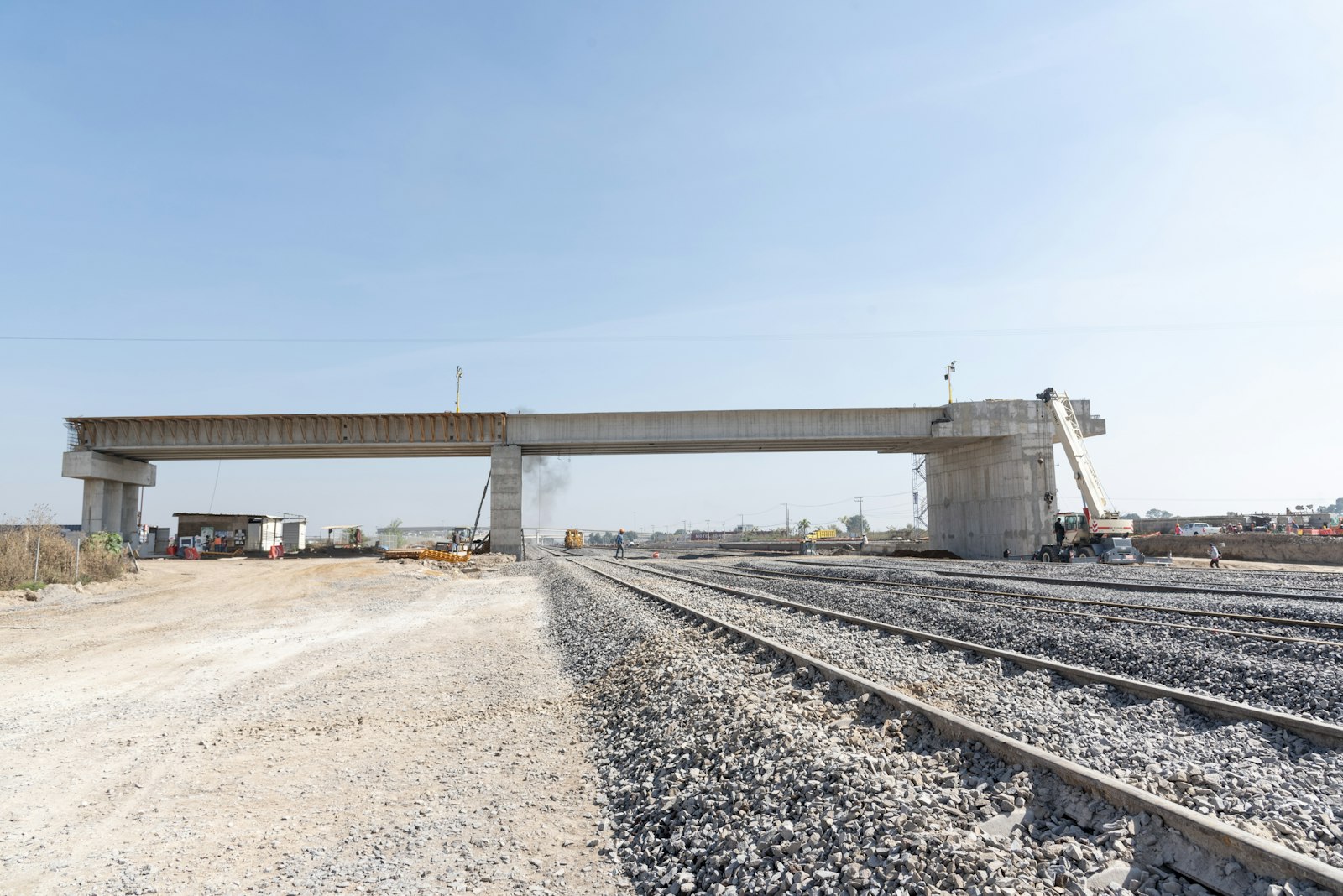
A $2 billion infrastructure project of this type would represent one of the largest construction programs ever undertaken in the Buffalo region. Congressman Kennedy noted the project "is expected to generate thousands of construction jobs" in Western New York. A light rail extension of this scale requires civil and structural work for aerial structures or at-grade alignments, utility relocation, track and systems installation, station construction, overhead catenary power systems, and integration with the existing downtown rail network.
State funding has already flowed toward the project's planning phases. Kennedy secured $5 million in the 2016–2017 state budget, $6 million in 2019–2020, and $20 million in the 2022–2023 state budget while serving in the New York State Senate — a combined $31 million in state planning investments before any federal construction dollars.
What's Next
The FEIS completion places the Buffalo Metro Rail extension in a stronger position to pursue federal construction funding — but the path from environmental approval to groundbreaking still involves substantial work. The NFTA will need to enter engineering, secure financing commitments, and ultimately execute a Full Funding Grant Agreement with the FTA before construction can begin. Early projections suggest a potential 2027 groundbreaking if federal and local approvals proceed without significant delay.
For Western New York, this project represents a once-in-a-generation investment in transit infrastructure — and a sustained construction program that, if approved, would reshape mobility and development patterns across the Buffalo metro area for decades.
Sources
- BTPM NPR – NFTA Metro Rail Extension Gains Federal Environmental Approval (February 2026)
- Congressman Tim Kennedy – NFTA Metro Rail Expansion FEIS Completion Announcement (February 2026)
- NFTA Metro Rail Expansion Project – Official Project Website
- Progressive Railroading – FTA Completes Environmental Review (February 2026)
- WKBW – Public Hearing on Metro Rail Expansion (August 2025)
- Buffalo Rising – Metro Rail Expansion Discussion (August 2025)
Let's connect
For organizations planning commercial, industrial, or infrastructure work, we will review the project and recommend the appropriate delivery approach.

Join our team
If you hold yourself to careful, accountable work, you already work the way we do.