
news +insights
Big-Box, Warehouse, and Chain Store Construction: The National Retail Build-Out Underway in 2026
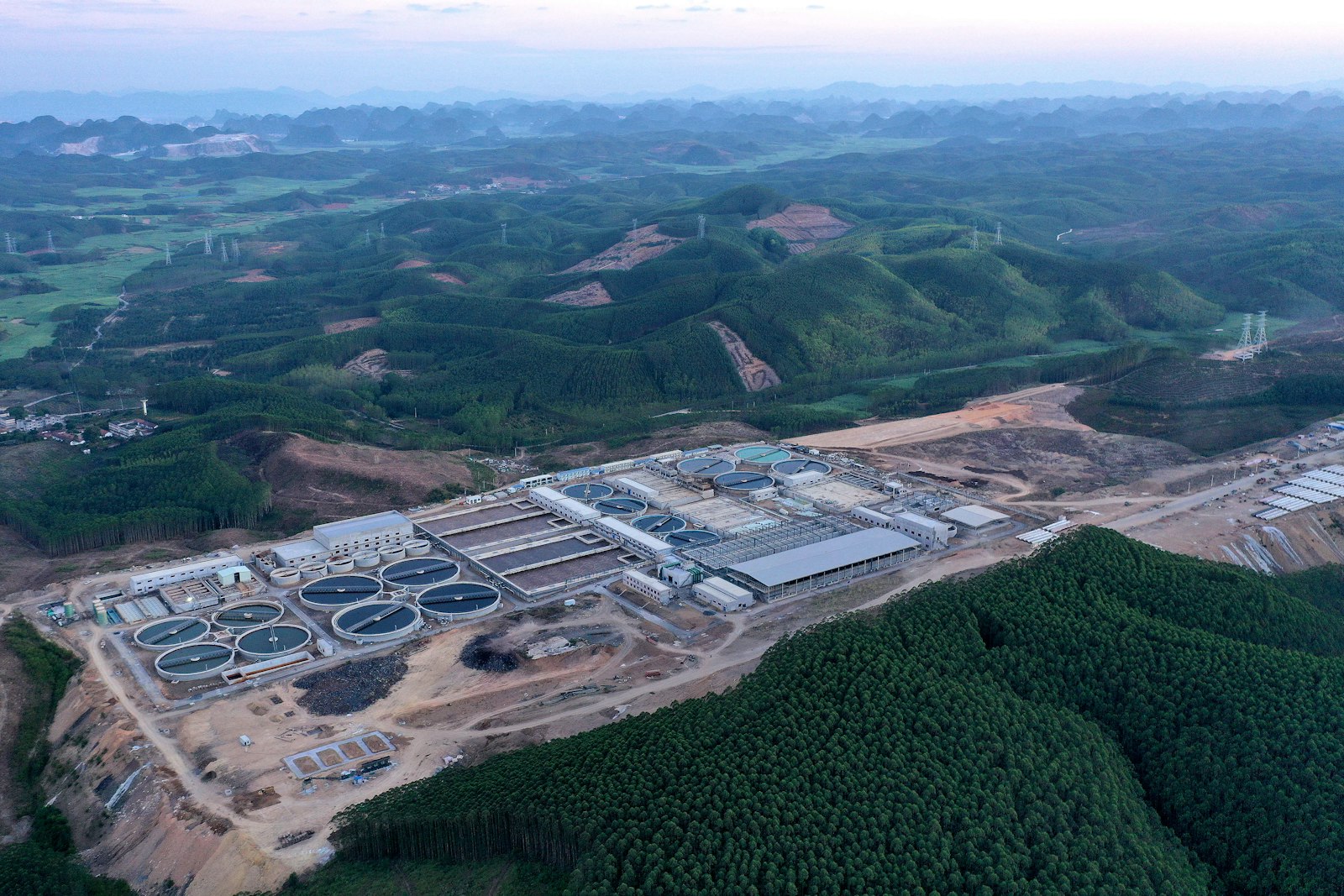
Retail construction tends to fly below the radar in conversations dominated by data centers and gigafactories. But in 2026, three of the largest retailers in the United States are executing major construction and remodel programs simultaneously — and Amazon is building an entirely new rural delivery infrastructure network from scratch. Together, these programs represent billions of dollars in commercial construction activity spread across nearly every major U.S. market.
Target: A 300-Store Expansion Program Through 2035
In March 2026, Target Corporation announced plans to open more than 30 new stores in 2026, including its 2,000th location in Fuquay-Varina, North Carolina. Seven stores opened in March alone — in California, Missouri, New Jersey, Texas, and North Carolina — with additional locations confirmed for summer and fall. The company also plans more than 130 remodels in 2026 as part of a $5 billion capital investment plan for the year.
The more significant figure is the long-range program: more than 300 new Target stores by 2035. At approximately 30-plus stores per year, that represents roughly a decade of sustained new-construction pipeline across the country. New stores are running approximately 148,000 square feet, with food and beverage departments 30 percent larger than the chain average and Drive Up pickup lanes built into the design. Hundreds of millions in additional payroll and training investment will accompany the construction, according to the company.
Costco: 28 Warehouses in Fiscal 2026, 30+ Per Year After That
Costco's fiscal year 2026 plan calls for 28 net new warehouse openings — a slight downward revision from 35 due to international construction delays in Spain. Capital expenditure for the full year is estimated at $6.5 billion, supporting new openings, warehouse remodels, depot network expansion, and digital investment. In the U.S., confirmed 2026 locations include sites in California, Texas, and Utah, with the majority of openings disclosed only two to three months in advance per company policy.
CEO Ron Vachris and CFO Gary Millerchip have both confirmed a target of 30-plus net new openings per year going forward, with roughly half of new locations in the U.S. and half internationally. Each new Costco warehouse is a purpose-built 170,000-square-foot structure with gas station facilities — a significant commercial construction project in its own right, typically on sites of 25 or more acres. Infill strategies in dense markets like Los Angeles and New York are introducing more complex site and design constraints for builders.
Walmart: 650+ Remodels and ~20 New Stores in 2026
Walmart is executing what it describes as a multi-billion-dollar investment in its U.S. store footprint in 2026, with more than 650 remodels to Supercenters and Neighborhood Markets scheduled this year. Remodels involve expanded deli and prepared food sections, new pharmacy consultation rooms, digital touchpoints, and updated interiors and exteriors — significant interior construction programs at scale. Approximately 20 new store grand openings are planned for 2026 and early 2027, building on nine new stores opened in 2025 across Alabama, California, Florida, New Jersey, Texas, and Utah. Earlier in 2024, Walmart committed to opening or converting more than 150 new locations total — a program still moving through construction phases.
Amazon: $4 Billion Rural Warehouse Network
Amazon began building a dedicated rural delivery network in 2020. By the end of 2026, the company plans to have approximately 210 rural delivery stations operational, representing a total investment of $4 billion in the rural network alone. The initiative is designed to reduce reliance on third-party carriers like UPS and USPS in low-density markets.
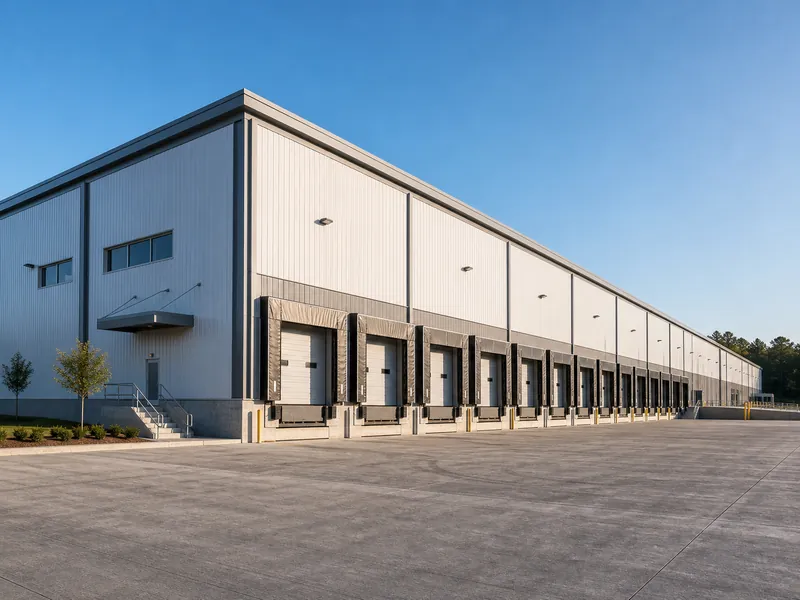
Separately, Bloomberg has reported Amazon is also considering a $15 billion broader warehouse and delivery hub expansion. Individual facilities in this network can be very large: a new Amazon distribution center under construction in Montgomery County, New York, spans 3.2 million square feet at a cost of $621 million, with completion anticipated in 2027 or early 2028.
Construction Industry Implications
Retail and logistics construction of this type is often undervalued in industry analysis because individual projects are smaller than headline-grabbing gigafactories. But the aggregate volume is substantial: 30 new Costco warehouses, 30-plus Target stores, 650 Walmart remodels, and dozens of Amazon delivery facilities in a single calendar year adds up to thousands of individual construction projects distributed across every major U.S. market.
For general contractors and subcontractors in commercial construction — particularly those working in concrete tilt-wall, steel framing, roofing, mechanical, electrical, and plumbing — this distributed pipeline is often more accessible than mega-project work and generates steadier, repeat-client business relationships. Franchise and chain construction programs are typically executed through national master agreements with preferred contractor networks, making early positioning critical.
The Multi-Site Construction Model and What It Demands
National chain construction programs operate differently from one-off project development. Retailers like Target, Costco, and Walmart typically maintain approved contractor networks — often established through Request for Qualification processes or standing master service agreements — that allow them to execute many projects simultaneously across diverse geographies. New market entrants who want to work on these programs must often be pre-qualified at the corporate level before individual site opportunities become accessible.
The construction itself is also more standardized than custom commercial work. Costco warehouses follow a highly repeatable prototype; Target has developed a new-generation open-layout format it is rolling out across its entire 2026 and beyond pipeline. That standardization is a two-edged sword: it compresses individual project schedules and reduces design coordination time, but it also means contractors with less flexibility on cost and process will struggle to compete against national firms already embedded in the prototype delivery model.
Amazon's fulfillment and delivery station network is a different animal — projects vary significantly in size, from 50,000-square-foot last-mile delivery stations to million-square-foot-plus sort centers. But the volume and geographic breadth of the program means there is nearly always a project within reach for qualified regional builders, particularly in secondary and rural markets that are explicitly targeted by the rural network expansion.
The aggregate conclusion: for commercial construction contractors in most U.S. markets, the retail and logistics pipeline is more immediately accessible than the manufacturing megaproject pipeline — and in 2026, it is deeper than it has been in more than a decade.
Sources
- Target Corporation — Target Ramps Up Store Investments (March 2026)
- Walmart Corporate — How We're Investing in Our Stores (April 2026)
- Men's Journal — New Costco Near You in 2026?
- Fox Business — Costco Plans Major Growth Push (April 2026)
- Supply Chain Brain — Amazon Plans to Build Dozens of U.S. Warehouses in Rural Expansion
Let's connect
For organizations planning commercial, industrial, or infrastructure work, we will review the project and recommend the appropriate delivery approach.

Join our team
If you hold yourself to careful, accountable work, you already work the way we do.