
news +insights
Building Toward 2028: The Construction Programs Reshaping Los Angeles for the Olympics
When Los Angeles won the rights to host the 2028 Summer Olympics and Paralympics, the organizing committee made a promise: no new permanent venues, minimum construction, maximum use of what the city already had. In the years since, that promise has held in some important ways—and bent significantly in others. What has emerged is not a traditional Olympic build, but something more complex: a wave of construction programs that the Games accelerated, expanded, or in some cases created outright, with implications for construction activity across Southern California that will continue well into the next decade.
The D Line Subway: A $9.7 Billion Rail Project Arriving Just in Time
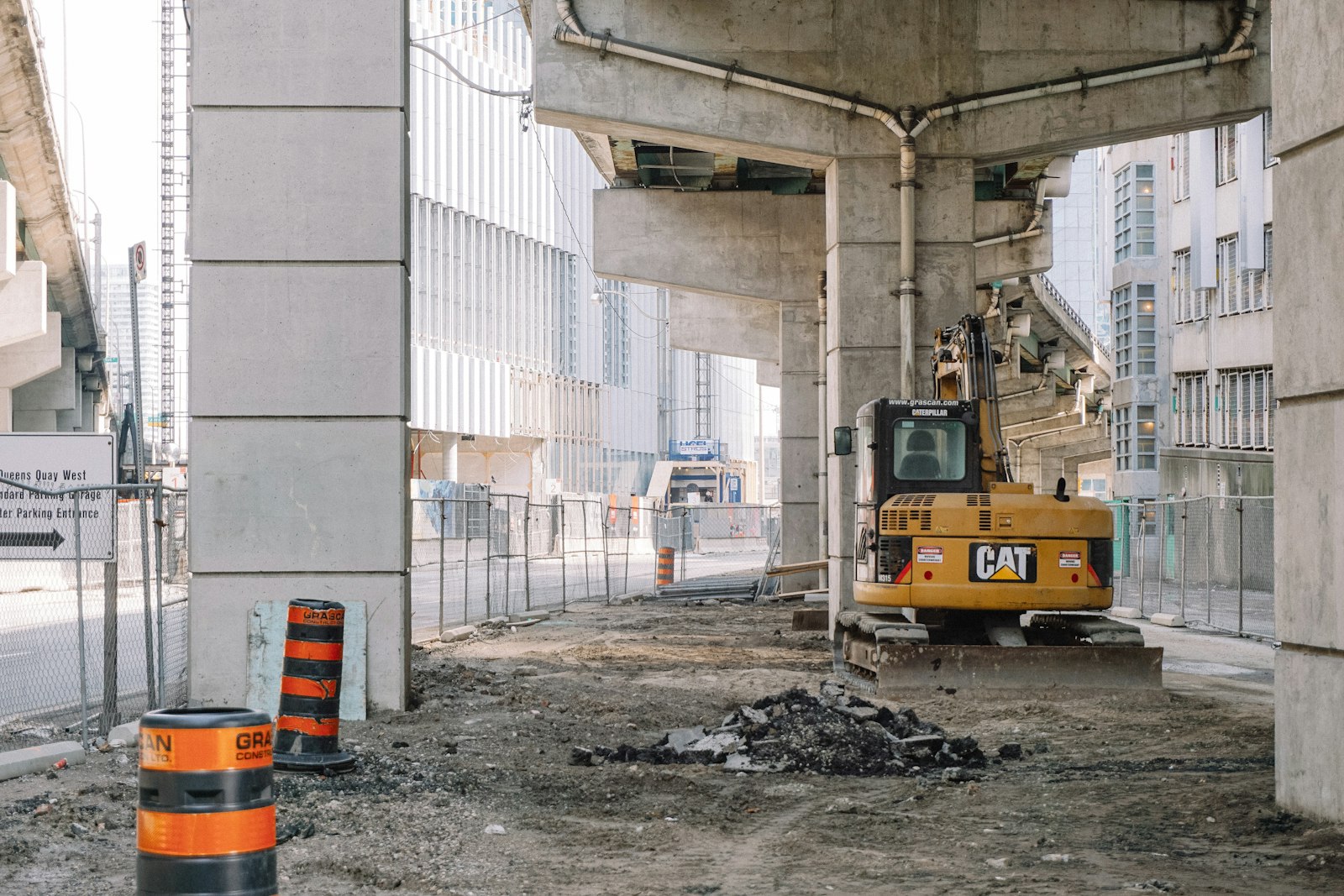
The most significant transportation construction project tied to LA28 is the D Line Extension, a three-phase, $9.7 billion subway expansion that will connect Koreatown and downtown Los Angeles to Beverly Hills, Century City, Westwood, and the West Los Angeles VA Medical Center along the Wilshire corridor. The Los Angeles Times called the project “the most important rail line in LA's public transit history.” Phase 1 of the extension—covering 3.92 miles with three new underground stations at La Brea, Fairfax, and La Cienega—opened on May 8, 2026, ahead of the 2026 FIFA World Cup. Phases 2 and 3 are under active construction, with completion targeted for fall 2027, giving the system time to operate before the Games begin July 14, 2028.
The D Line is one of several Metro rail projects on an Olympics-driven timeline. The North Hollywood to Pasadena Bus Rapid Transit (BRT) project broke ground in spring 2026, with construction running through late 2028 and revenue service targeted in time for the Games. The BRT will provide zero-emission electric bus service in dedicated lanes between North Hollywood, Burbank, Glendale, Eagle Rock, and Pasadena—an east-west connection across the San Fernando and San Gabriel Valleys. The LAX Automated People Mover, a $2.7 billion elevated, electric automated transit system connecting six stations including the LAX/Metro Transit Center, opened in 2026, completing the physical link between the regional rail network and airport terminals in time for the World Cup.
The Convention Center Gamble: $2.6 Billion and a Hard Deadline
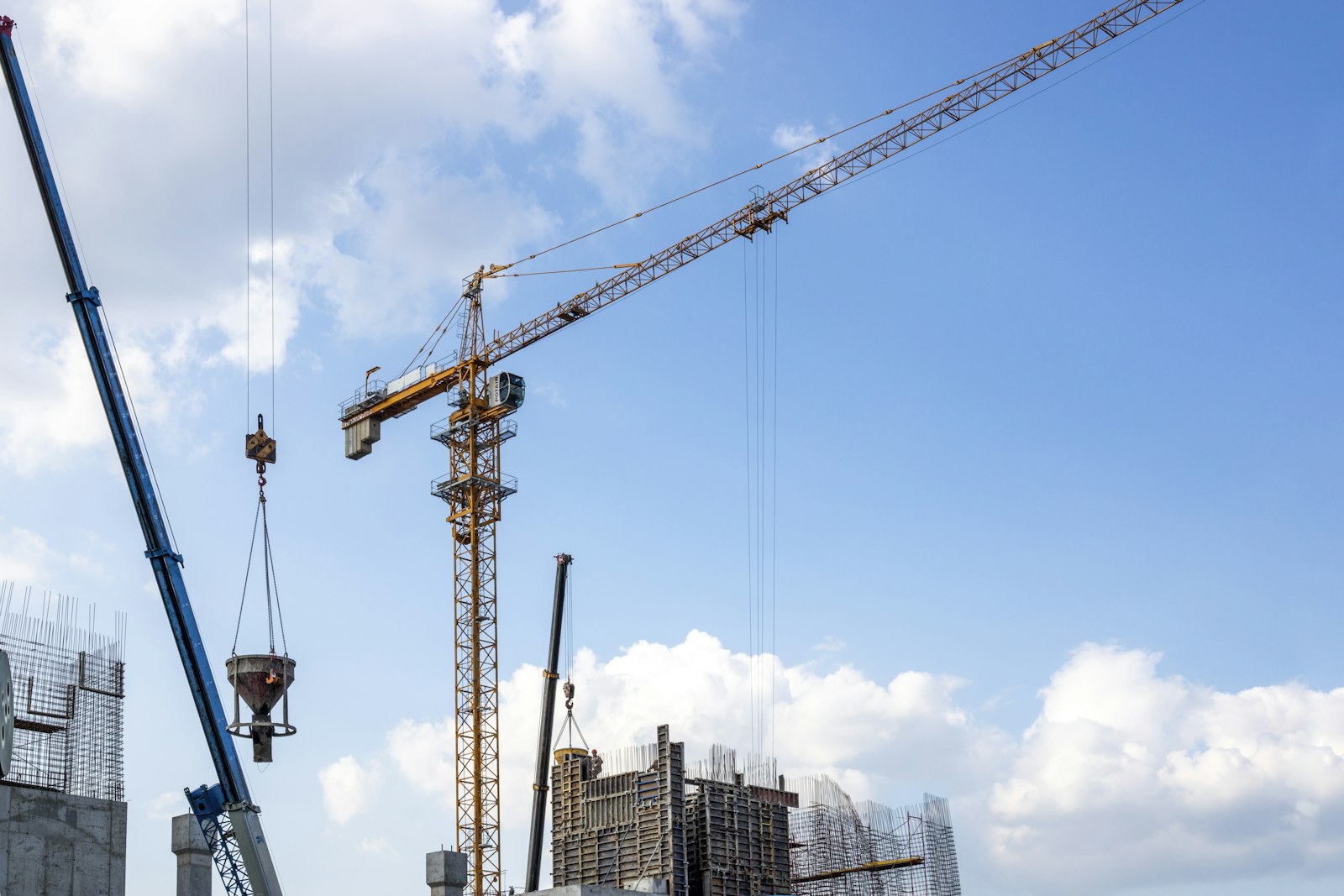
The most consequential new construction project directly tied to the Olympics is one that almost didn't happen. In September 2025, the Los Angeles City Council voted 11-2 to approve the LA Convention Center Expansion and Modernization Project, valued at approximately $2.6 billion, against a backdrop of warnings from city staff about budget pressures and the Olympic construction timeline. The project broke ground in early October 2025 and is being delivered by a team including general contractors PCL Construction and Webcor, architect Populous, AEG Facilities, and infrastructure developer Plenary Group, using a design-build delivery method.
The scope is substantial: the project will combine the existing South and West Exhibit Halls into a single contiguous 750,000-square-foot hall by adding 190,000 square feet of space, along with 39,000 square feet of new meeting room space and 95,000 square feet of multipurpose area. Combined with existing facilities, the expanded Convention Center will exceed one million square feet of total exhibit space. Construction is expected to pause during the 2028 Games to allow LA28 use of the facility—which is designated for fencing, judo, table tennis, taekwondo, wrestling, and multiple Paralympic events—before completing to full occupancy in 2029.
The stakes are significant. LA Urbanize reported that if the facility is not ready for LA28 use by the June 2028 exclusive use date, the City of Los Angeles could face penalties and relocation costs under its agreement with the organizing committee. City officials project the completed facility will generate 15,000 jobs and $652 million in general fund tax revenue over 30 years, while drawing $150 million in additional visitor spending annually.
Airport and Regional Infrastructure
LAX is undergoing a major, multi-year capital program whose individual components have been delivered in sequence over several years. The Midfield Satellite Concourse North and the Consolidated Rent-A-Car (ConRAC) Facility were completed in earlier phases. The Automated People Mover—the electric train connecting terminals, parking, the Metro transit center, and the ConRAC—represents the capstone of this airport investment cycle, enabling the “transit first” strategy LA28 and Metro are counting on to move athletes, officials, media, and spectators during the Games.
LA28 is not building any new permanent sports venues—a commitment the organizing committee has maintained—but the Los Angeles City Council voted in February 2026 to allow certain temporary Olympic projects to bypass standard zoning approvals on a 14-day review cycle. The ordinance covers temporary structures including broadcast and media centers, security perimeters, live sites and fan zones, training facilities, and venue buildouts. Some permanent projects can also be exempted from zoning regulations with individual council sign-off.
Energy and Utilities
The 2028 Games are creating unusual demands on Southern California's energy infrastructure. USC's Viterbi School of Engineering reported in March 2026 that Southern California Edison is accelerating infrastructure projects that strengthen transmission serving Games venues, deploying sensors capable of detecting anomalies in real time, and applying predictive analytics to maintain reliability during a period of rapid grid decarbonization. The Los Angeles Department of Water and Power, currently at 64 percent clean energy, has committed to reaching 100 percent by 2035—a timeline that the Olympics is testing in real time. LA28 has established the first Games Water Council in Olympic history to coordinate water supply and system resilience at venues requiring temporary aquatic infrastructure.
The Legacy Question
Unlike many past Olympics that left underused venues and overextended municipal finances in their wake, Los Angeles's 2028 strategy centers on projects that serve residents every day before, during, and after the Games. The D Line subway is the clearest example—a transit investment that has been debated and planned for 65 years, now being delivered on an accelerated timeline because of an Olympic deadline. The Convention Center expansion is more complicated, carrying real financial risk but also genuine long-term value for a city that has long struggled to compete for the largest national and international conventions and trade shows.
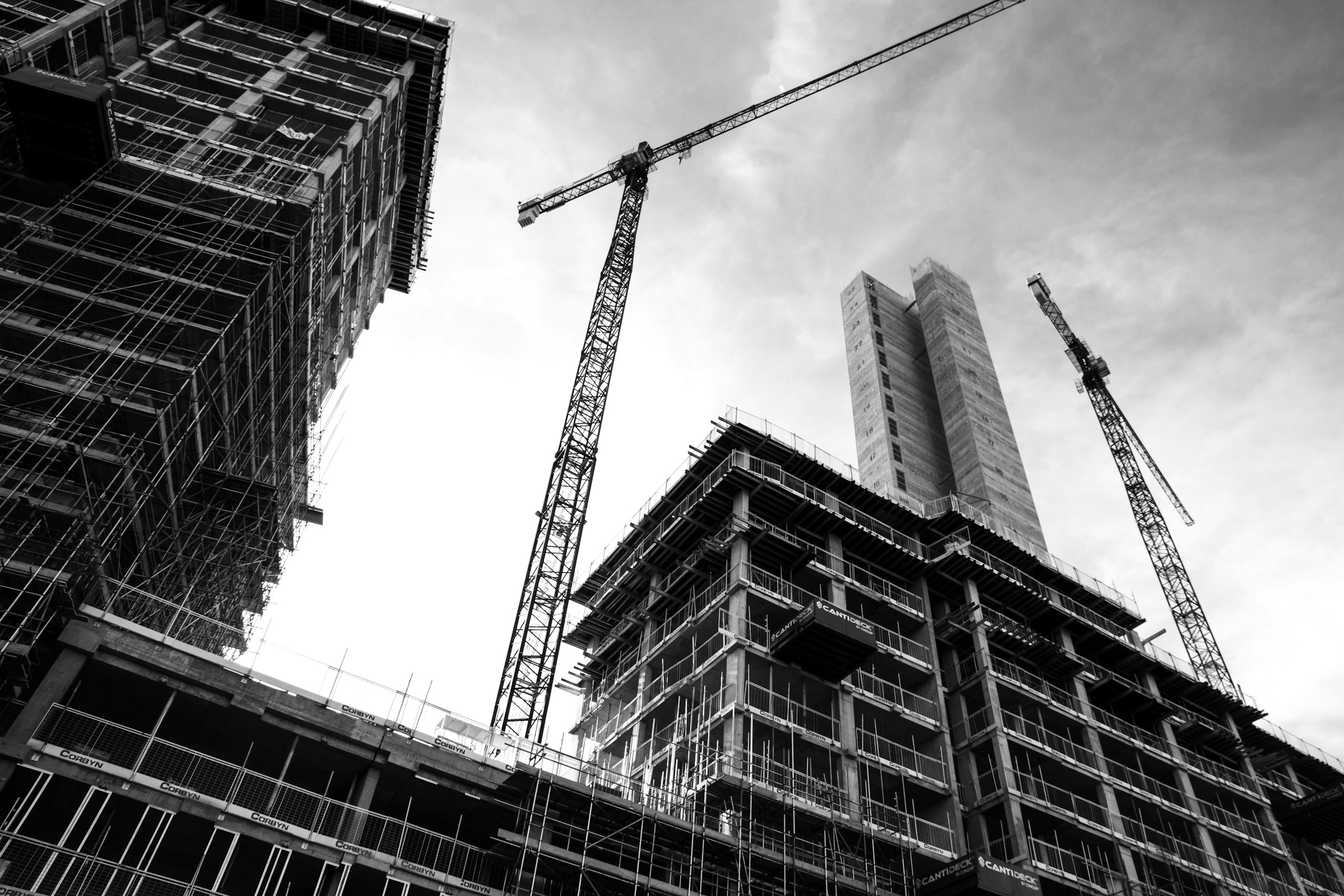
For construction firms, the LA28 pipeline represents not a single project but a dense cluster of concurrent large-scale programs in a single metropolitan market—a combination of transit, aviation, convention, venue, and temporary infrastructure work that is generating sustained demand for construction labor, materials, and management capacity from now through 2028 and beyond.
Sources
Los Angeles Times – Why It Took 65 Years for L.A. to Build Its Most Important Rail Line (May 2026) | LA Metro – D Line Extension | Construction Dive – Los Angeles Greenlights Controversial $2.6B Convention Center Build (September 2025) | LA Urbanize – $2.6 Billion LA Convention Center Expansion Breaks Ground (October 2025) | Smart Cities Dive – Los Angeles's Future-Thinking Strategy for 2028 Olympic Venues (April 2026) | LA Metro – North Hollywood to Pasadena BRT | The Real Deal – City Council Makes Olympics Construction Projects Easier (February 2026) | USC Viterbi – Powering LA28: Energy, Infrastructure and the Future of Los Angeles (March 2026) | The Sports Examiner – LA28 and the Convention Center (September 2025)
Let's connect
For organizations planning commercial, industrial, or infrastructure work, we will review the project and recommend the appropriate delivery approach.

Join our team
If you hold yourself to careful, accountable work, you already work the way we do.