
news +insights
America's $50 Billion Federal Building Repair Crisis: What Owners and Developers Need to Know
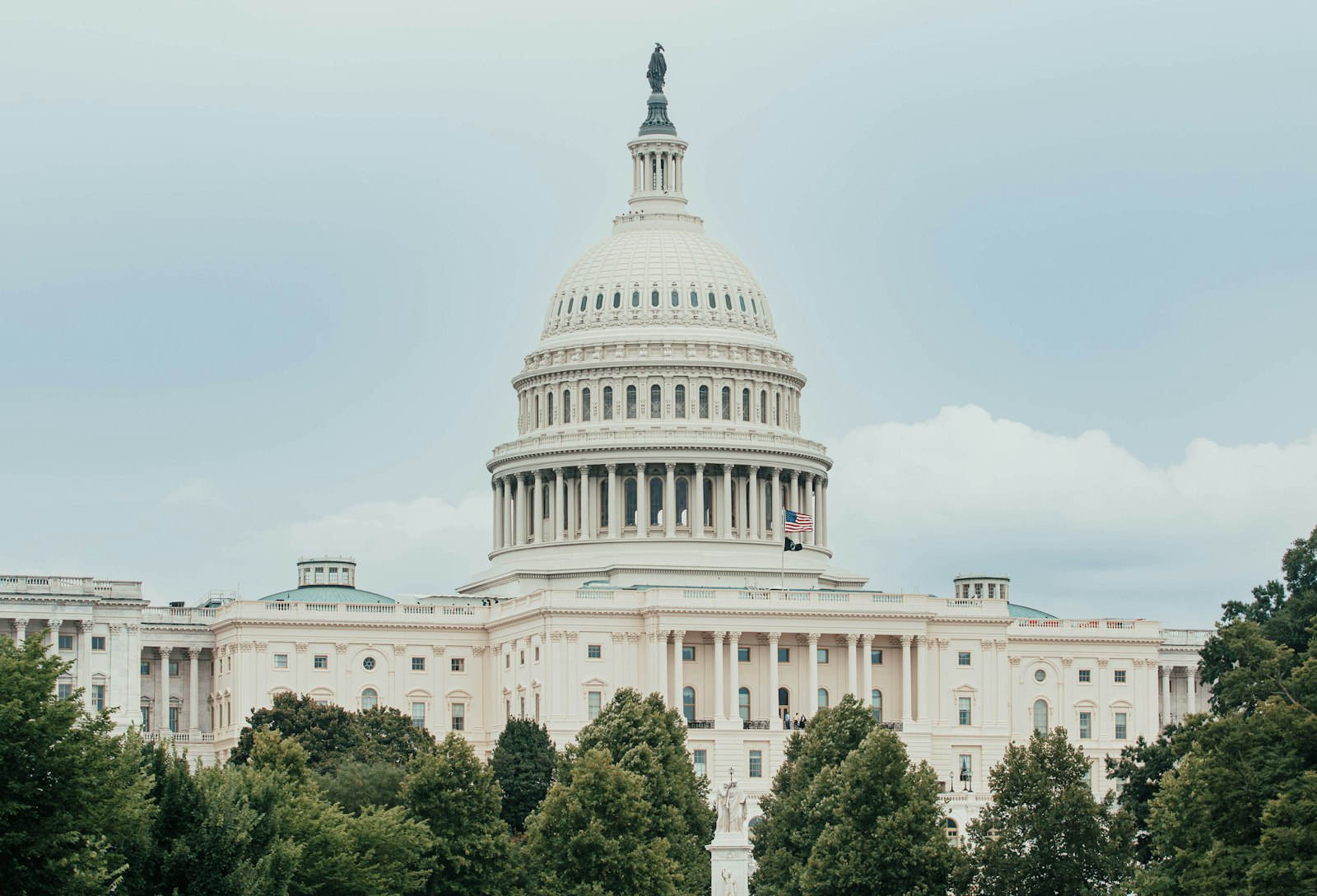
The federal government's real estate portfolio is in a state of crisis that is now impossible to ignore. In March 2026, the Public Buildings Reform Board (PBRB) published an interim report titled The Cost of Inaction: Deferred Maintenance in GSA's Portfolio, placing the General Services Administration's deferred maintenance liability at approximately $50 billion—more than double the agency's own previous estimates. The findings have sparked urgent conversations across the construction, real estate, and policy sectors about what comes next.
A Portfolio Decades in the Making
The GSA manages roughly 370 million square feet of building space across the country, from courthouses and federal office towers to border stations and laboratories. According to the PBRB report, GSA has historically received maintenance and repair funds equal to approximately 0.375 percent of its portfolio's functional replacement value—far below the industry standard of 2 to 4 percent that most large institutional landlords apply. The gap has compounded annually, accelerating asset deterioration, raising lifecycle costs, and in some cases creating direct safety risks to federal workers and the public.
Facilities Dive reported in April 2026 that GSA's Federal Buildings Fund generated nearly $15 billion in fiscal year 2025 in rent paid by federal agencies—but Congress has historically diverted billions of those dollars to cover funding gaps elsewhere. GSA has been requesting $1.2 billion in annual appropriations above what it can draw from the Buildings Fund just to stop the backlog from growing further. The agency is currently receiving roughly $620 million per year for maintenance and repair, less than half of what it says is needed to hold the line.
The PBRB's analysis found that buildings between 31 and 75 years old—which represent the largest share of total square footage—also carry the highest maintenance costs per square foot. These are the assets most likely to be candidates for significant renovation, modernization, or disposition in the years ahead.
Courthouses and Occupied Federal Facilities Feel the Strain
The deterioration is not abstract. The Administrative Office of the U.S. Courts has asked Congress for direct authority to manage federal courthouse properties, citing conditions described as “in crisis”—including judges trapped in elevators for hours and ceilings collapsing in courtrooms during active trials. These are occupied, operational federal buildings in need of urgent mechanical, structural, and life-safety work.
GSA's own FY 2026 Congressional Justification identifies the backlog as a growing liability and commits to addressing deferred maintenance in long-term hold core assets while also pursuing the consolidation and disposal of underperforming properties. GSA's FY 2026 budget emphasizes life-safety projects, environmental remediation, and modernization of high-value facilities.
Meanwhile, a separate GSA initiative is underway in New York City at the Silvio J. Mollo Federal Building, where a comprehensive modernization project is in environmental review, covering life-safety, HVAC, structural, façade, and electrical systems. Construction funding was requested for fiscal year 2026, with a projected 36-month construction timeline. In Washington, D.C., GSA's 2025 prospectus list includes repair and alteration projects at the Howard T. Markey National Courts Complex, the Emanuel Celler U.S. Courthouse in Brooklyn, the Jacob K. Javits Federal Building complex in New York, and the Carl B. Stokes U.S. Courthouse in Cleveland—all projects moving through congressional approval for construction funding.
The Strategy Ahead: Consolidation, Modernization, and Disposition
Both the PBRB and GSA leadership agree on the broad outlines of a path forward, even if the specific funding mechanisms remain contested. The PBRB's primary recommendation is for the federal government to aggressively reduce its property footprint through targeted consolidation and divestiture of underutilized, high-cost assets. GSA's April 2026 announcement that it and OPM will co-locate headquarters at the Theodore Roosevelt Federal Building—freeing its current 1800 F Street location for disposition—is a concrete early example of this strategy in action.
The PBRB recommends that Congress allow GSA full access to its Federal Buildings Fund revenue, which the agency currently cannot fully deploy due to congressional diversion. It also calls for reformed capital planning rules, updated cost-benefit analysis frameworks for leasing versus owning, and the creation of clear data on occupancy and facility condition to drive rational portfolio decisions. FedWeek reported in March 2026 that the PBRB estimated the backlog at $50 billion—roughly twice GSA's own estimate—and that at the current pace of escalation, deferred maintenance will exceed the portfolio's entire functional replacement value of approximately $160 billion by 2030 unless portfolio reductions and investment are accelerated.
What This Means for the Construction Market
The federal building crisis is not just a governance problem—it represents a sustained pipeline of construction and renovation work. Life-safety upgrades, mechanical replacements, electrical system overhauls, seismic retrofits, façade repairs, and environmental abatement projects are not discretionary; they are legal obligations tied to occupant safety and agency mission continuity. As GSA pursues consolidation, many modernization projects will involve the adaptive reuse of existing federal facilities, a category that requires specialized expertise in occupied building renovation, phased construction, and security-compliant work environments.
The disposition side of the strategy also creates construction activity. Properties transferred to private developers or other public agencies for adaptive reuse—a courthouse becoming apartments, a surplus office building becoming mixed-use space—require significant renovation before they can serve new purposes. Several cities where federal properties are concentrated, including Washington, D.C., New York, Chicago, and San Francisco, are watching this process closely as a potential tool for downtown revitalization.
For construction firms and owners tracking public-sector work, the federal building repair pipeline is now one of the more clearly documented opportunity areas in the national market. The combination of a documented backlog, congressional pressure, and GSA's own budget requests points toward sustained activity in federal facility renovation and modernization for the next several years—provided appropriations keep pace with need.
Sources
Public Buildings Reform Board – The Cost of Inaction: Deferred Maintenance in GSA's Portfolio (March 2026) | Facilities Dive – GSA wants full access to its rental income to tackle repair backlog (April 2026) | ULI Urban Land – Deferred Maintenance Across Federal Buildings Tops $50 Billion (March 2026) | FedWeek – Deferred Federal Building Maintenance Gets Renewed Attention (March 2026) | GSA – FY 2026 Congressional Justification | GSA – 2025 Prospectus | GSA – Mollo Federal Building Modernization Project | National Law Review – PBRB Identifies Deferred Maintenance Liabilities (2026)

Let's connect
For organizations planning commercial, industrial, or infrastructure work, we will review the project and recommend the appropriate delivery approach.

Join our team
If you hold yourself to careful, accountable work, you already work the way we do.