
news +insights
Erie County Water Authority's $320 Million Lead Pipe Replacement Is One of Western New York's Largest Active Infrastructure Programs
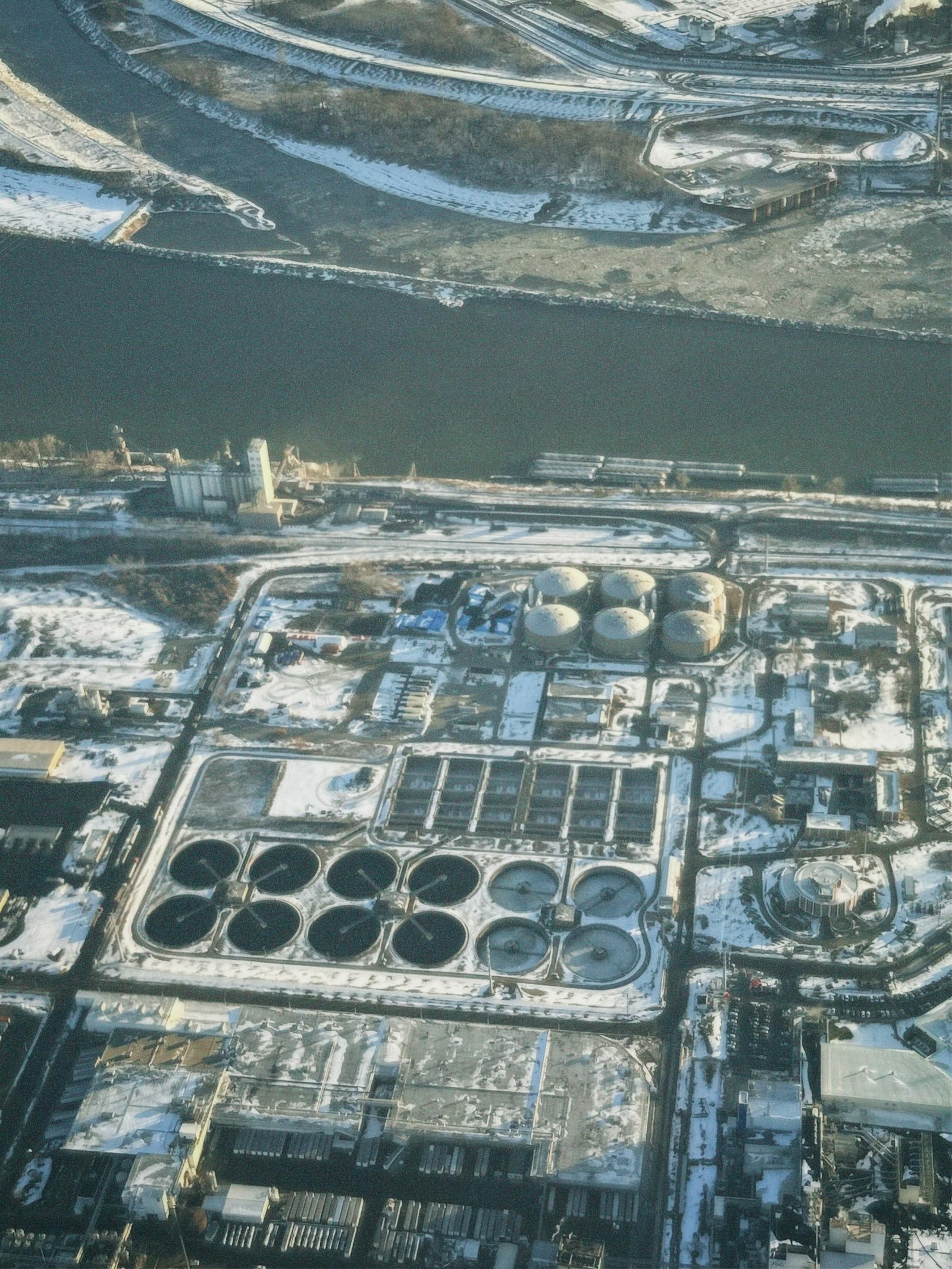
Western New York's most active but least-publicized infrastructure construction program is playing out street by street, neighborhood by neighborhood, across Erie County. The Erie County Water Authority (ECWA) is running a multi-year, approximately $320 million lead service line replacement program with a self-imposed 2028 completion target — more than nine years ahead of the EPA's 2037 federal deadline. The program is generating steady construction contracting activity across the entire ECWA service area. ECWA Board Chairman Jerome Schad confirmed in January 2026 that the authority estimates roughly 6,000 lead service lines to replace, at a program cost averaging $25 million per year.
The Scale of the Program
The ECWA's capital commitment to lead pipe replacement is embedded in a broader $716 million infrastructure investment plan through 2040, approved by the Board of Commissioners in late 2025. Within that plan, approximately $298 million — 42 percent of the total — is dedicated specifically to complying with the EPA's Lead and Copper Rule Improvements (LCRI), which was finalized in October 2024. WKBW reported in November 2025 that the 2026 budget includes a commodity water rate increase of 42 cents per 1,000 gallons and a $2.54 quarterly increase to the Infrastructure Investment Charge (IIC), specifically to fund this work.
The 2026 capital program within the ECWA's broader plan includes additional infrastructure investments beyond lead line replacement:
- $10.2 million for upgrades at the Sturgeon Point and Van De Water Treatment Plants
- $15.7 million for new water transmission and distribution mains throughout the system
- $8.3 million for upgrades to major pump stations
- $4.4 million for IT upgrades, lab enhancements, new line maintenance equipment, and facility improvements
- $2.6 million for new remote radio-read residential water meters
Active Contracts in 2025 and 2026
The ECWA has been executing multiple active lead service line replacement construction contracts. ECWA board records confirm that New Frontier Excavating & Paving, Inc. held Contract A covering the City of Tonawanda (extended through May 2026) and Contract B covering the Village of Depew. Contract C for additional Tonawanda work was bid in August 2025, and Contract E covering the City of Lackawanna and the Town of West Seneca was bid in January 2026 with an 11-month performance period. These rolling contracts reflect the volume and cadence of the program: multiple active construction fronts proceeding simultaneously across different communities.
An ECWA internal memo from February 2026 confirmed that the authority is working with Arcadis of New York, Inc. as program manager and is on track with its strategy to identify and remove all lead service lines — on both the public and private side — by the end of 2027. The authority replaced 230 lead service lines on the public side in 2025 and has completed more than 4,000 service line investigations.
Federal Funding Support
In January 2026, Senators Schumer and Gillibrand announced $3.6 million in federal funding for water infrastructure projects across Western New York, including $1.6 million directly to ECWA for lead pipe replacement. The federal funds, while modest relative to the overall program cost, are being used to prioritize homes with vulnerable populations and to offset costs for homeowners who might otherwise struggle to fund private-side service line replacement. ECWA's program covers both the public side (the authority's pipes) and the private side (homeowner-owned pipes from the property line to the structure).
Why This Matters to Contractors
The ECWA lead replacement program is unusual in the WNY market because it combines a firm regulatory deadline, a clear multi-year funding commitment, and distributed construction work across numerous communities. Excavation and paving contractors, pipeline utility contractors, and plumbing firms have consistent bidding opportunities through the New York Contract Reporter as each new contract is put out to bid. The work is municipal in character — priced against prevailing wage requirements — and tends to involve small-diameter water service line excavation, pipe installation, service restoration, and street/sidewalk repair.
Contractors should be aware that the volume of lead service line replacement work is not unique to Erie County: water utilities across New York State are executing similar programs. That means the specialty labor pool — particularly experienced water service line excavation crews — is under concurrent demand from utilities statewide, and scheduling and workforce allocation will matter as much as bid price.
Implications for Owners and Developers
Property owners in the ECWA service area who have not yet been contacted about lead service line investigation should expect outreach as the program expands geographically. ECWA is funding private-side replacement through the program, meaning homeowners do not bear the direct cost. However, the work involves excavation of the property from the street curb to the structure's foundation — typically a day or more of active construction activity at each residential property. Developers and landlords with older building stock in ECWA's service area may face this work as part of the broader program rollout.
What to Watch Next
- ECWA's 2026 contract awards for lead service line replacement — watch the New York Contract Reporter for upcoming solicitations by community or district.
- Whether the authority achieves its accelerated 2028 completion target or requires a program extension.
- Any changes to the EPA's LCRI compliance framework at the federal level, which could affect the timeline and cost structure of this and similar programs statewide.
- Rate impacts as the authority continues funding the program through the IIC and commodity rate.
Bottom Line
The ECWA's $320 million lead service line replacement program is one of the most consistently active public construction programs in Erie County — and one that has received far less attention than large capital projects with ribbon-cutting ceremonies. For contractors in the utility excavation and water distribution space, this program represents reliable, multi-year bid opportunities across a broad geographic service area. The 2028 deadline creates a firm scheduling imperative, and the authority's willingness to fund private-side work alongside public infrastructure removes a major barrier to program completion.
Sources
- ECWA — $1.6 Million Federal Funding Announcement, January 2026
- WKBW — 2026 Rate Increase and Capital Budget, November 2025
- ECWA Board Resolutions — Lead Service Line Contracts, October 2025
- ECWA — LCRI Program Update Memo, February 2026
- Senator Gillibrand — Federal Funding Announcement, January 2026
- Batavia Daily News — ECWA Lead Program Coverage, January 2026
- ECWA — 2026 Budget Adoption Documents

Let's connect
For organizations planning commercial, industrial, or infrastructure work, we will review the project and recommend the appropriate delivery approach.

Join our team
If you hold yourself to careful, accountable work, you already work the way we do.