

news +insights
EPA's WIFIA Program Closes $682 Million in Water Infrastructure Loans in Early 2026 as National Backlog Grows
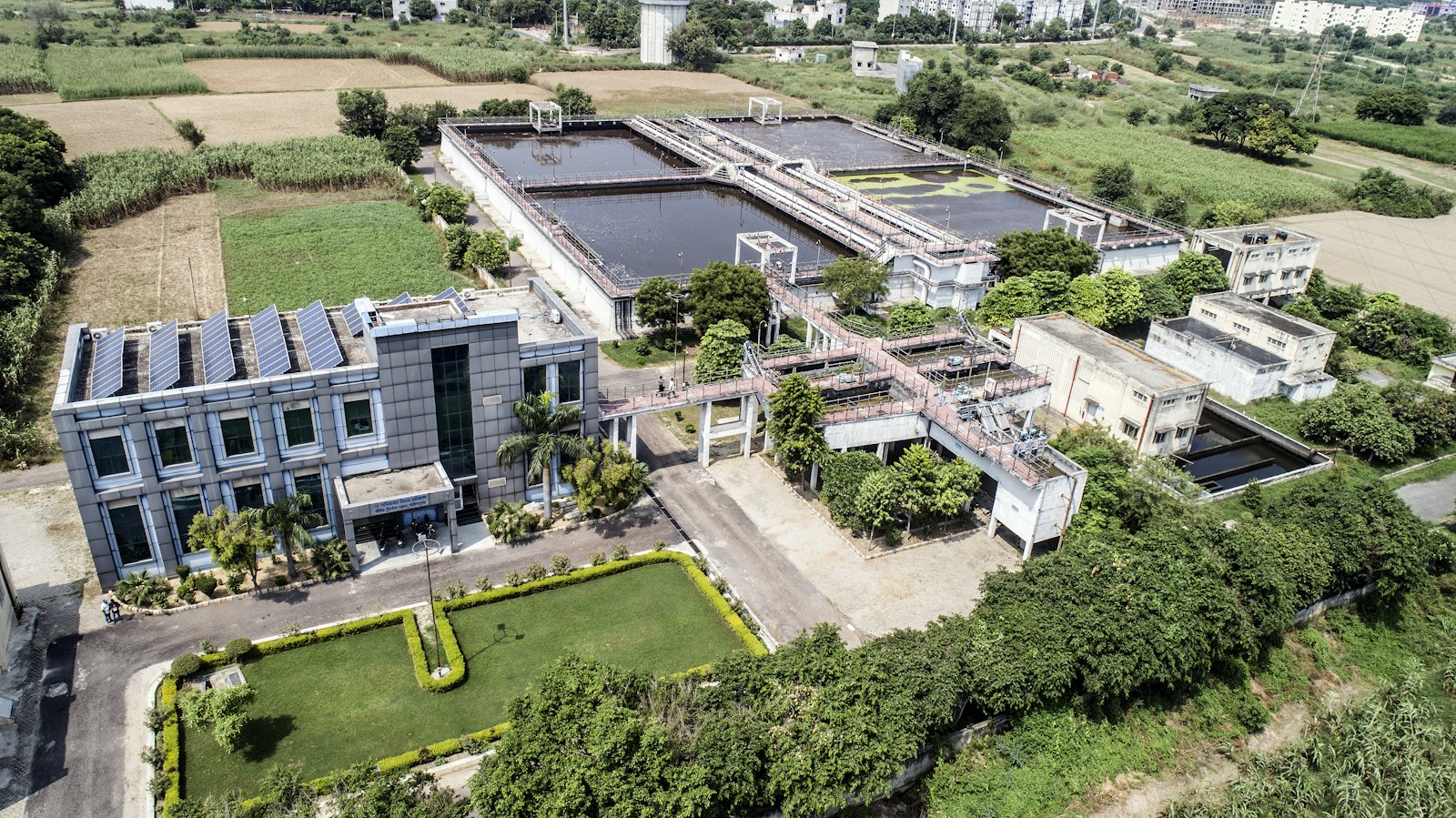
The federal government's most powerful water infrastructure financing tool is moving faster than many contractors realize. In the first four months of 2026, the U.S. Environmental Protection Agency's Water Infrastructure Finance and Innovation Act (WIFIA) program closed three new loans totaling $682 million for projects in Illinois, Utah, and California — adding to a program that has now financed $23 billion across 152 closed loans supporting $51 billion in total water infrastructure projects nationwide.
Per EPA's WIFIA program homepage, the program has created 172,000 jobs and served 67 million people since issuing its first loan in 2018, while saving communities an estimated $8 billion in financing costs through below-market interest rates and flexible repayment structures.
Three Major Loans Closed in Early 2026
$610 Million — Grand Prairie Water Commission, Illinois
The largest of the three loans closed in March 2026 with the Grand Prairie Water Commission in northeastern Illinois. The $610 million loan supports the commission's Alternative Water Source Program, which will connect six communities to Lake Michigan as a primary drinking water source, replacing reliance on a declining groundwater aquifer.
The project will construct a 62-mile regional water transmission network and upgrade related water infrastructure to serve almost 300,000 residents. EPA's WIFIA financing will allow the commission to customize repayment schedules and defer principal payments for several years after substantial construction completion — saving the commission nearly $300 million over the life of the loan compared to conventional bond financing.
$38 Million — Mountain Regional Water Special Service District, Utah
In March 2026, EPA closed a $38 million WIFIA loan with the Mountain Regional Water Special Service District serving the Park City area of Summit County, Utah. The loan supports the Signal Hill Water Treatment Plant Optimization and Expansion Project, which will double water treatment capacity and address emerging contaminants.
The expansion is being accelerated in part to prepare for the 2034 Winter Olympic and Paralympic Games in the Salt Lake City region. Because the district serves a community of 25,000 or fewer people, it qualified for WIFIA's small-community financing provisions — allowing the district to finance nearly 80% of eligible project costs rather than the standard 49% cap for larger borrowers.
$34 Million — Daly City Joint Powers Financing Authority, California
In April 2026, EPA announced a $34 million WIFIA loan to the Daly City Joint Powers Financing Authority to increase the capacity of its stormwater management system in San Mateo County, California. The Vista Grande Drainage Basin Improvement Project will replace an undersized canal, enlarge its tunnel, upgrade an overflow system to Lake Merced, and build a new Pacific Ocean outlet structure. Construction and operations will create an estimated 500 jobs.
"This project will deliver critical water infrastructure upgrades to better protect San Mateo County communities from flooding, stabilize Lake Merced's water levels and improve regional water quality," said EPA Pacific Southwest Region Water Division Director Tomás Torres.
The WIFIA Program: Scale and Structure
WIFIA was established by the Water Infrastructure Finance and Innovation Act of 2014 and is now in its ninth round of financing, with $6.5 billion available to water systems and an additional $550 million available to State infrastructure financing authorities (SWIFIA). Per EPA's program description, WIFIA loans can cover up to 49% of eligible project costs for large borrowers, or up to 80% for small communities. Loans carry interest rates tied to U.S. Treasury rates at the time of closing, with final maturity up to 35 years and principal deferral of up to 5 years after substantial completion.
The program's ninth round — announced in late 2025 — reflects sustained EPA commitment to the tool even as broader federal water infrastructure policy has evolved. EPA is currently accepting letters of interest on a rolling basis.
Why WIFIA Matters to Contractors and Owners
For construction professionals, the significance of WIFIA lies in what it enables that traditional municipal bonds cannot:
- Project scale: WIFIA targets projects costing at least $20 million (or $5 million for small communities), making it a financing tool specifically designed for large-scale water construction. This means the projects it funds are substantial contracts for heavy civil, water treatment, pipeline, and tunneling contractors.
- Accelerated timelines: By reducing financing costs and extending repayment horizons, WIFIA allows communities to advance projects that might otherwise be delayed 5–10 years waiting for rate increases or bond capacity.
- Domestic content requirements: WIFIA loans are subject to Build America, Buy America (BABA) requirements effective since May 2022, as well as American Iron and Steel (AIS) provisions — creating procurement obligations that favor U.S. manufacturers and affect subcontractor selection.
- Market signal: With 152 closed loans and $23 billion in committed financing, WIFIA represents a sustained, bipartisan federal commitment to water infrastructure investment that generates project opportunities across every region of the country.
The National Water Infrastructure Investment Context
These three 2026 WIFIA closings arrive against a backdrop of sustained growth in public water infrastructure construction. Census Bureau data shows public water supply construction spending up 7.3% year over year in 2025 vs. 2024, while sewage and waste disposal was up 14.0%. IIJA-funded State Revolving Fund (SRF) programs are flowing billions into state pipelines simultaneously.
The $610 million Grand Prairie loan alone will fund one of the largest drinking water transmission infrastructure projects in Illinois history — 62 miles of regional pipeline and related infrastructure serving six northeastern Illinois communities that have depended on a declining aquifer for generations.
What to Watch Next
- Additional 2026 WIFIA closings: EPA is actively processing its pipeline of ninth-round applications, and additional loan closings are expected through the year. EPA's pending loans page reflects ongoing underwriting activity.
- South Coast Water District Doheny Ocean Desalination Project: EPA published an environmental review for potential WIFIA support of this large California desalination project in early 2026 — a potential major construction contract if the loan moves forward.
- BABA compliance: Contractors bidding on WIFIA-financed projects should closely track Buy America, Buy America compliance requirements, which can affect product selection for pipe, valves, pumps, and structural components.
- SRF + WIFIA stacking: Many large water utilities are combining WIFIA loans with SRF capitalization grants and standard bonds — creating complex financing structures that affect project timelines and contract structures.
Bottom Line
EPA's WIFIA program is quietly one of the most consequential federal infrastructure financing tools in operation, and its 2026 activity confirms it remains fully functional despite broader federal spending debates. The three loans closed in early 2026 total $682 million in federal credit support for $51+ billion in project value when levered against co-investment. For water, wastewater, and stormwater contractors — particularly those with heavy civil, pipeline, and treatment facility capabilities — WIFIA-financed projects represent a large and growing segment of the national construction market.
Sources
- U.S. EPA — WIFIA Program Homepage
- U.S. EPA — WIFIA Program Announcements, 2026
- U.S. EPA News Release — $610 Million Loan, Grand Prairie Water Commission, March 2026
- U.S. EPA News Release — $38 Million Loan, Mountain Regional Water, Utah, March 2026
- U.S. EPA News Release — $34 Million Loan, Daly City, California, April 2026
- U.S. Census Bureau — Construction Spending Data 2025–2026

Let's connect
For organizations planning commercial, industrial, or infrastructure work, we will review the project and recommend the appropriate delivery approach.

Join our team
If you hold yourself to careful, accountable work, you already work the way we do.