

news +insights
Constellation, Google Deal Funds $4.3 Billion in Nuclear Uprates at 11 Units
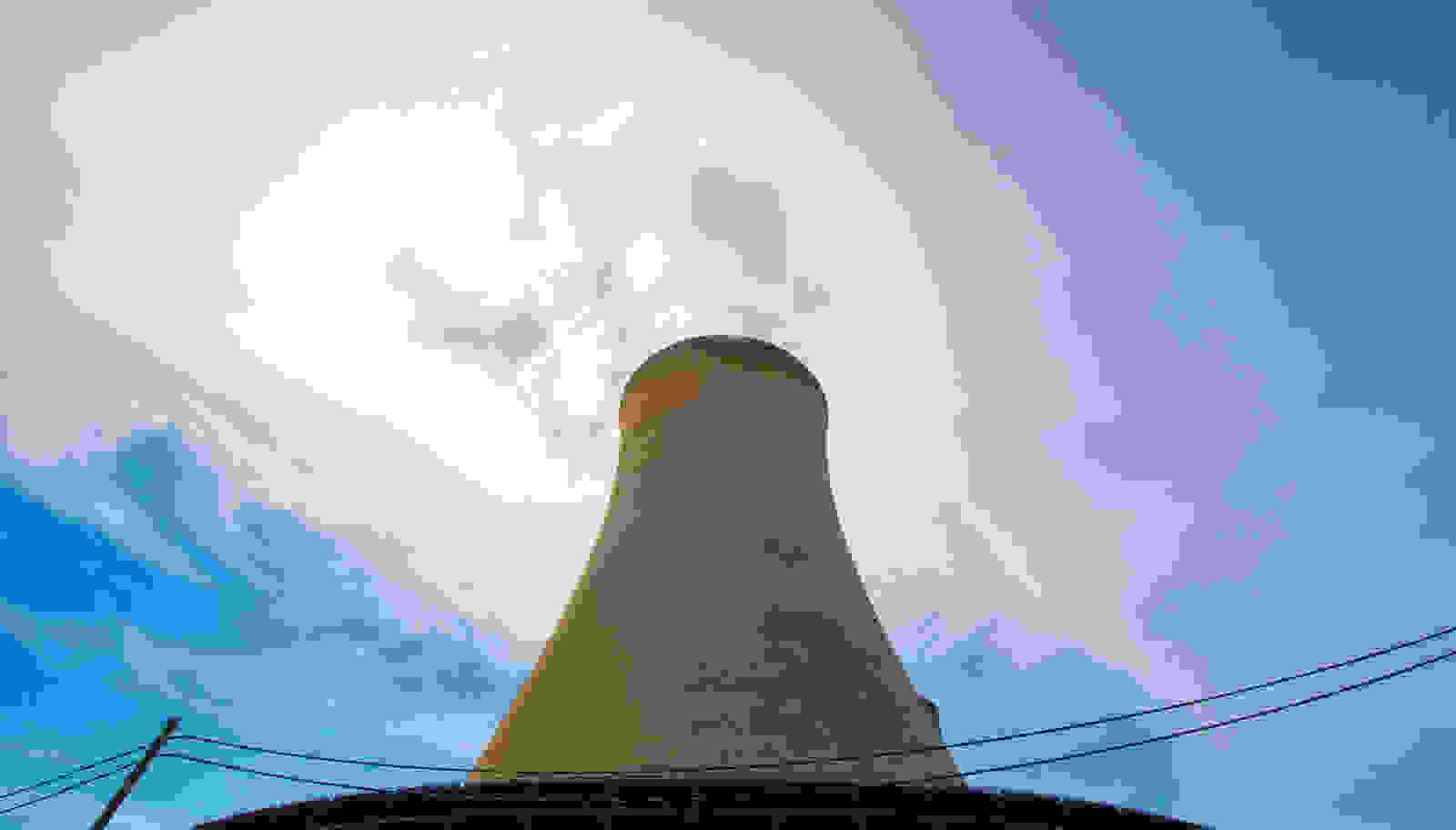
Constellation Energy and Google announced a 20-year power purchase agreement on October 6 that will fund more than $4.3 billion in equipment upgrades at 11 existing nuclear units in Illinois, Pennsylvania and New Jersey, adding 890 megawatts of generating capacity to the PJM grid. Constellation says the work will create about 7,200 construction jobs, with the first upgrade expected to be delivered by 2028.
What Happened
The two companies described the agreement as a long-term collaboration to bring new nuclear capacity to the PJM Interconnection, the grid operator that serves the Mid-Atlantic and parts of the Midwest. The added output will come from uprates, which are modifications that raise the output of an existing reactor, at 11 Constellation-owned units across six sites (Constellation, Construction Dive).
The key terms, as stated by the company:
- Capacity: 890 MW of new generation, which Constellation compares to the output of several small modular reactors or one large conventional reactor (Constellation).
- Investment: more than $4.3 billion by Constellation, supported by the 20-year purchase commitment from Google (Constellation).
- Scope: modernizing or replacing turbines, steam generators and digital control systems to improve thermal and electrical efficiency (Constellation).
- Schedule: the first uprate is expected to be delivered by 2028. No other milestones were given (Constellation).
- Jobs: about 7,200 construction jobs during the build period, and roughly 4,400 existing positions sustained, mainly union maintenance, engineering and operations roles (Constellation).
- Additional supply: a separate 15-year agreement covers 2,700 MW from Constellation's existing PJM fleet, structured so those plants continue to sell energy and capacity into the market (Constellation).
- Demand flexibility: Google will build in load-shaping and demand-response capability so that non-critical consumption can be curtailed during periods of grid stress (Construction Dive).
Constellation chairman, president and chief executive Joe Dominguez called the approach "critical to meeting our nation's growing energy needs" (Construction Dive).
What Is Not Yet Known
The announcement does not name the six plants, give megawatt figures by site, or identify engineering and construction contractors. It also does not address the regulatory approvals the work will require (Constellation). Schedules beyond the first unit in 2028 have not been published.
Context: Why Uprates, and Why Now
Constellation presents uprates as a way to add firm power without the multi-year timelines and interconnection bottlenecks of building on a new site, because the units are already connected to the grid. The company says the program supports the U.S. Department of Energy's UPRISE initiative, which encourages public-private efforts to increase output from existing reactors (Constellation).
The grid backdrop is a capacity shortfall. Construction Dive reports that PJM is about 6.8 gigawatts short of new capacity as data center demand rises, and that the grid operator will delay a planned reliability backstop procurement after the Federal Energy Regulatory Commission only partly approved it on September 29. Constellation describes the Google agreement as a direct response to PJM's "Bring Your Own Power" proposal, under which large new loads would arrive with their own generation (Construction Dive).
It is the company's second such deal in a week. On September 30, Constellation and Amazon announced a 20-year agreement tied to a $3 billion, 190 MW expansion of the Calvert Cliffs plant in Maryland, expected online between 2030 and 2032 (Construction Dive).
The two companies also expanded a five-year technology agreement under which Constellation will use Google Cloud and Gemini Enterprise tools for site selection, power flow modeling, permitting and interconnection planning, asset health monitoring, outage management and protection of operational technology networks (Constellation).
Implications for Owners, Developers, Contractors and Subs
- This is outage-driven industrial construction. Turbine, steam generator and control system replacements at operating reactors are generally performed during planned outages, with long engineering and fabrication lead times followed by short, labor-intensive installation windows. Specialty contractors in heavy rigging, piping, electrical and instrumentation, scaffolding and insulation in Illinois, Pennsylvania and New Jersey should expect demand to build ahead of 2028.
- Craft labor competition will increase. About 7,200 construction jobs across six sites, added to data center, transmission and manufacturing work in the same states, will draw on the same pipefitters, electricians, boilermakers and ironworkers. Owners of industrial projects in those markets should plan around outage seasons when estimating labor availability.
- Power procurement is becoming a private capital project. A technology company is underwriting generation upgrades through a long-term contract instead of waiting for a utility rate case or a capacity auction. Developers of large-load facilities should expect to be asked how they will bring power with them.
- Existing assets are being reworked before new ones are built. Upgrading plants that already hold grid connections is faster than new construction. The same logic applies to industrial owners weighing expansion of an existing facility against a new site.
- Long-lead equipment is the constraint. Large turbines, generators and transformers have extended delivery times. Suppliers and fabricators with nuclear quality programs are likely to see orders well before field work starts.
What to Watch
- Identification of the six sites and 11 units, and the megawatts assigned to each.
- Regulatory filings for the uprates.
- Awards of engineering, procurement and installation contracts.
- PJM's next steps on its backstop procurement and large-load rules.
- Whether other reactor owners announce similar contracts with large power users.
Bottom Line
The agreement commits $4.3 billion to construction at operating nuclear plants in three states, with the first unit due by 2028. The sites, contractors and approvals are still to come, but the direction is set: large power users are paying directly for new capacity, and much of the near-term work will be upgrades to plants that already exist.
Image credit: Constellation. Image from the source release.
Sources
- Constellation, "Google and Constellation Announce Landmark Agreement to Bring 890 MW of New Nuclear Capacity to PJM Grid": https://www.constellationenergy.com/news/2026/10/google-and-constellation-announce-landmark-agreement-to-bring-890-mw-of-new-nuclear-capacity-to-pjm-grid.html
- Construction Dive, "Constellation, Google strike 890-MW nuclear deal to meet data center power demand": https://www.constructiondive.com/news/constellation-google-nuclear-deal-data-center-energy/832351/


Let's connect
For organizations planning commercial, industrial, or infrastructure work, we will review the project and recommend the appropriate delivery approach.

Join our team
If you hold yourself to careful, accountable work, you already work the way we do.