
Buffalo's $29.3 Million Breckenridge Sewer Project Launches Construction on the West Side
One of the most active combined sewer overflow locations in the Buffalo Sewer Authority's system is finally getting the fix it has needed for generations. The BSA has broken ground on the Breckenridge Combined Sewer Overflow Control Project, a $29.3 million investment that will stop millions of gallons of sewage from discharging annually into the Black Rock Canal — and replace sewer pipes that have been in the ground for more than 100 years. The City of Buffalo announced the state funding and groundbreaking through Mayor Sean Ryan's office, and construction is expected to run through the next two to three years.
What Is Being Built — and Why It Matters
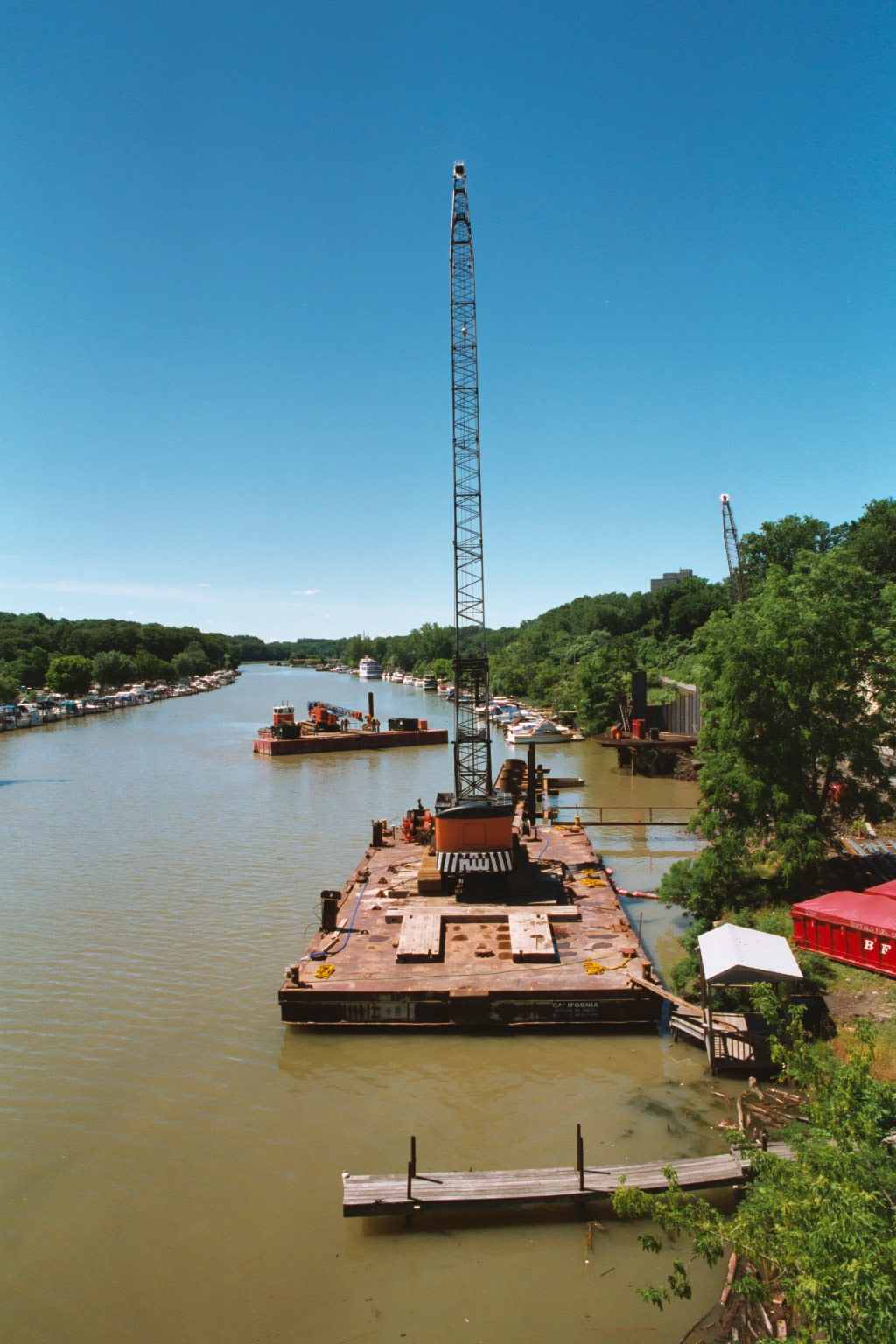
The project targets the intersection of West Avenue and Breckenridge Street, one of the highest-volume overflow sites in the BSA network. Last year alone, more than 5 million gallons of combined sewage — a mix of stormwater and raw wastewater — discharged from this site into the Black Rock Canal, which drains to the Niagara River. According to the BSA, this is one of the most active overflow locations in the system, and the 166-year-old sewer beneath Breckenridge Street has long exceeded its useful life.
Construction scope includes:
- Redirecting sewer flows along a new path to the Bird Island Wastewater Treatment Plant, eliminating the overflow discharge to the Black Rock Canal at the base of Breckenridge Street
- Replacement of failing sewers along West Avenue between Breckenridge and Lafayette
- A new lead-free water main on West Avenue — with any lead water service lines encountered during construction replaced with copper from the main to the house
- Restoration of the tree canopy along impacted streets
- Support for the long-term structural integrity of the historic sewer beneath Breckenridge Street
The BSA confirmed on LinkedIn that the $29 million project is part of its broader Queen City Clean Waters initiative, a multi-year, billion-dollar program to systematically reduce combined sewer overflows across Buffalo. BSA Principal Sanitary Engineer Rosaleen Nogle stated that the project will eliminate the overflow of sewage and stormwater to the Black Rock Canal while minimizing the financial burden on ratepayers.
Funding Structure: State Financing Backs the Build
New York State provided the $29.3 million in state funding specifically for the design and construction of the combined sewer overflow controls at this location. The announcement came through Mayor Ryan's office, which framed the investment as a major step toward ending combined sewer overflows city-wide. The state financing flows through the New York State Environmental Facilities Corporation (EFC), which administers the Clean Water and Drinking Water State Revolving Funds — a vehicle that has supported over $1 billion annually in low-cost financing and grants to New York communities.
Separately, Governor Hochul announced $113 million in EFC Board-approved financing and grants statewide on May 21, 2026, with Western New York receiving targeted allocations for multiple communities including Depew, Dunkirk, and South Dayton alongside the Buffalo CSO work. These investments are part of the Governor's broader $3.75 billion water infrastructure investment plan, which brings total clean water spending to $10 billion since 2017.
The Queen City Clean Waters Program: Scope and Pipeline
The Breckenridge project is one piece of a much larger puzzle. The BSA's Queen City Clean Waters initiative represents a billion-dollar, multi-decade commitment to control combined sewer overflows throughout Buffalo's aging drainage system. The program works through multiple parallel tracks: large-scale conveyance and control projects like Breckenridge, green infrastructure installations that reduce stormwater inflow, and upgrades to treatment capacity at Bird Island.
The BSA's active bid pipeline in 2026 includes the Bird Island Wastewater Treatment Plant Steam System Improvements (bid in May 2026) and the Hennepin Park GI Infrastructure Improvement Project — both representing ongoing investment in the treatment and stormwater management infrastructure that backstops the CSO reduction program. The BSA also recently announced a modest rate adjustment effective July 1, 2026, of $4.34 per quarter for most water-use customers, which officials have attributed in part to the capital program's financing requirements.
Combined sewer overflows are a recurring challenge in older Rust Belt cities like Buffalo, where a single pipe system handles both sanitary sewage and stormwater. During rain events, the combined volume overwhelms treatment capacity and overflows directly to waterways. The Black Rock Canal, which borders the West Side and connects to the Niagara River, is a recreational asset for boaters and residents — and the BSA has cited its protection as a driving rationale for the Breckenridge project's prioritization.
Why This Project Matters to Construction Professionals
The Breckenridge project is a significant active construction package for the Buffalo West Side. Over a two-to-three-year construction window, it will require substantial underground utility work — including sewer pipe replacement, water main installation, lead service line replacement, and surface restoration including tree canopy work. Projects of this scope typically involve civil, excavation, pipe, and utility subcontractors across multiple bid packages.
The BSA's Queen City Clean Waters program as a whole represents one of the most consistent sources of civil construction demand in Erie County. Unlike one-time capital projects, the program is structured as a rolling, phased initiative that continues to release new bid packages — creating a sustained pipeline for contractors who specialize in underground utility, wastewater, and green infrastructure work.
Implications for Owners, Developers, and Subcontractors
For property owners and developers on and near the West Side, the Breckenridge project has both an immediate and a long-term dimension. In the near term, expect lane restrictions and construction activity along West Avenue between Lafayette and Breckenridge Street, and Breckenridge between West Avenue and Herkimer Street. Lead service line replacement work during construction may affect individual property connections — which typically requires coordination with homeowners.
In the long term, the elimination of overflow discharges to the Black Rock Canal supports the environmental baseline for waterfront development on the West Side and Black Rock neighborhoods. As Buffalo pursues multiple waterfront development projects — from Canalside to the Outer Harbor — water quality improvements in connecting waterways are a necessary precondition for sustained investment. Subcontractors with civil, excavation, pipe, and green infrastructure capabilities should monitor the BSA's bid advertisement page for follow-on packages within the Queen City Clean Waters program.
What to Watch Next
- BSA bid advertisement updates for additional Queen City Clean Waters packages in 2026–2027
- Progress on the Bird Island Wastewater Treatment Plant Steam System Improvements project
- EFC financing decisions for future Buffalo CSO projects through the state revolving fund
- The pace of lead service line replacements triggered by Breckenridge construction activity
- Community engagement and green infrastructure open house opportunities the BSA has scheduled for GI contractor outreach
Bottom Line
The Breckenridge CSO project is a textbook example of how aging infrastructure investment intersects with environmental compliance, public health, and neighborhood quality of life. With a $29.3 million state-funded construction start, century-old pipe replacement, and a direct tie to Buffalo's billion-dollar Queen City Clean Waters program, this project signals sustained infrastructure investment on the West Side — and a rolling pipeline of civil construction work that will continue for years. Contractors, subcontractors, and material suppliers who track the BSA's bid schedule are well-positioned to compete for the next phase.
Sources:
- City of Buffalo Mayor's Office Newsflash: Breckenridge Sewer Investment Announcement
- Buffalo Sewer Authority LinkedIn: Breckenridge Combined Sewer Overflow Project
- Buffalo Sewer Authority: Queen City Clean Waters Program Overview
- Governor Hochul: $113 Million EFC Board Approvals for Water Infrastructure Statewide (May 21, 2026)

Discuss an Upcoming Project


