

news +insights
Only Half of U.S. Metros Added Construction Jobs; Rochester and Tampa Post Gains
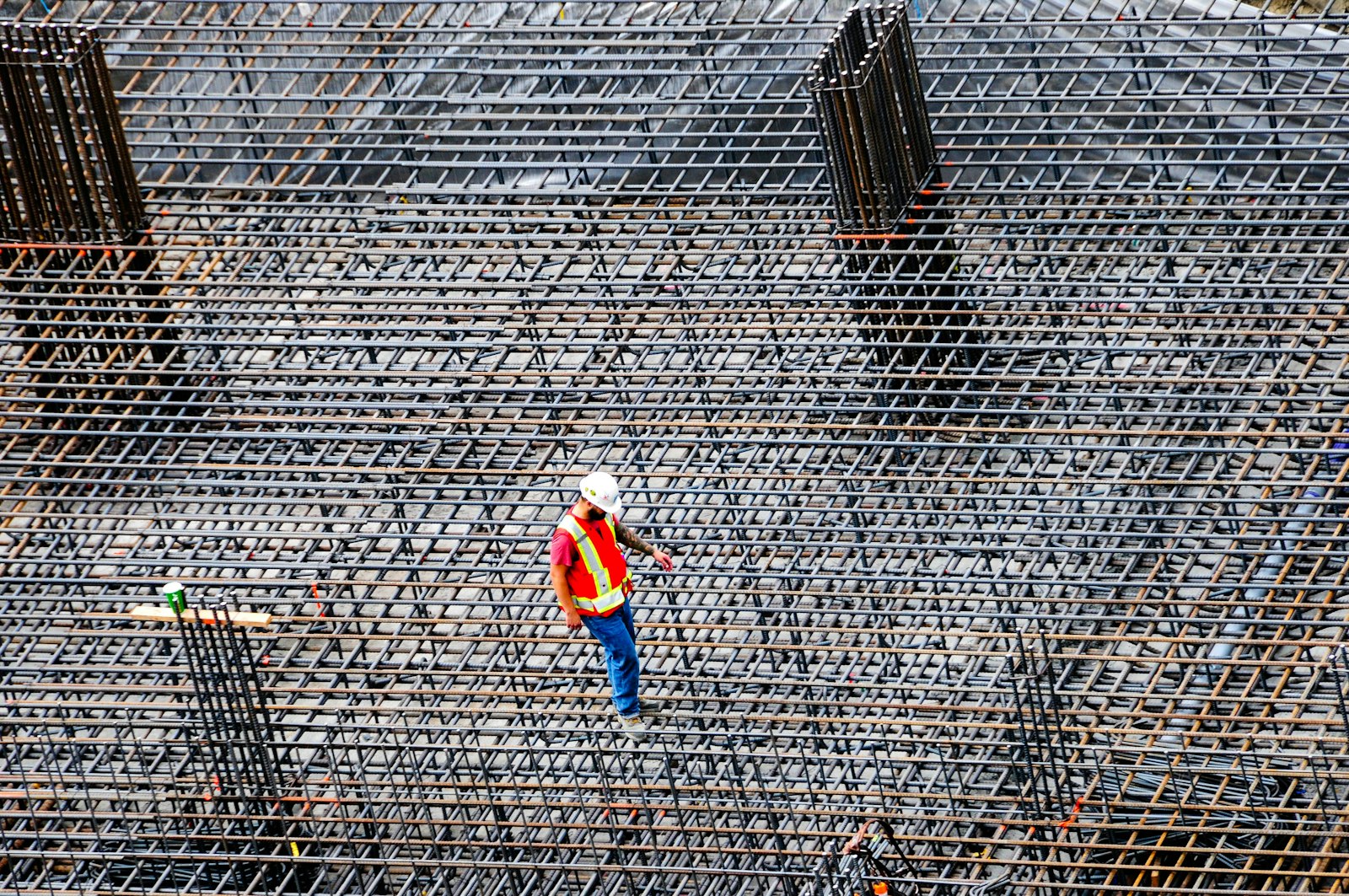
Construction employment rose in only 177 of 360 U.S. metro areas between August 2025 and August 2026, according to an analysis of federal data by the Associated General Contractors of America. That is 49 percent of metros. Employment fell in 126 metros and was unchanged in 57 AGC. The association said the gains are concentrated where data centers, power projects and advanced manufacturing plants are being built AGC.
The metro numbers add local detail to a national picture that looks healthier than it feels in many markets. Total construction employment is still growing, but the growth is uneven, and where a contractor works now matters as much as what it builds.
What Happened
AGC released its metro analysis on September 30, 2026, based on Bureau of Labor Statistics data AGC. The largest gains in number of jobs were:
- Houston-Pasadena-The Woodlands, Texas: 14,100 jobs, or 6 percent.
- Baton Rouge, Louisiana: 13,300 jobs, or 29 percent, the largest percentage gain of any metro.
- St. Louis, Missouri-Illinois: 11,200 jobs.
- Columbus, Ohio: 10,100 jobs, or 16 percent.
The largest losses were in Atlanta-Sandy Springs-Roswell, Georgia, down 4,900 jobs or 4 percent; Riverside-San Bernardino-Ontario, California, down 4,600 jobs; Jersey City-White Plains, New York-New Jersey, down 4,300 jobs or 6 percent; and Oakland-Fremont-Berkeley, California, down 4,000 jobs AGC. Walla Walla, Washington had the steepest percentage decline at 8 percent AGC.
Ken Simonson, the association's chief economist, said, "Data centers, power projects and advanced manufacturing plants are spurring employment gains in many metros. But other locations are experiencing a loss of jobs as volatile tariffs, rising materials costs and harsh immigration policies deter owners from committing to new construction" AGC.
New York and Florida Markets
AGC's metro table shows mixed results across upstate New York and Florida AGC metro table. For some smaller metros the federal data combine construction with mining and logging, so the figures are best read as direction and scale rather than exact counts.
- Rochester, NY: up 300 jobs, or 1 percent, to 25,800.
- Buffalo-Cheektowaga, NY: up 100 jobs to 23,700.
- Syracuse, NY: down 100 jobs, or 1 percent, to 14,000.
- Albany-Schenectady-Troy, NY: down 400 jobs, or 2 percent, to 23,100.
- New York City: up 1,500 jobs, or 1 percent, to 139,500.
- Tampa, FL division: up 2,200 jobs, or 3 percent, to 73,100, ranking 22nd of 360 metros.
- Jacksonville, FL: up 400 jobs, or 1 percent, to 54,100.
- Orlando-Kissimmee-Sanford, FL: down 1,100 jobs, or 1 percent, to 91,900.
- Miami-Miami Beach-Kendall, FL division: down 300 jobs to 61,100.
All of the figures in this list come from the same AGC table AGC metro table. Tampa's gain stands out in Florida, where two of the state's other large markets lost jobs. In upstate New York the changes are small in both directions, which points to a flat labor market rather than a growing or shrinking one.
The National Backdrop
AGC's weekly Data DIGest, published October 2, reported that national construction employment totaled 8,364,000 in September, up 109,000 or 1.3 percent from a year earlier Construction Citizen. Nonresidential employment rose 2.9 percent over the year, while residential employment fell 1.0 percent Construction Citizen.
The same digest shows why some metros are adding workers and others are not. Data center construction spending was up 73 percent from a year earlier in August, while all other private nonresidential spending was down 5.9 percent and manufacturing construction was down 20 percent Construction Citizen. Job openings in construction totaled 251,000 in August, while the hires rate of 3.7 percent was the lowest August rate in the 26-year history of the series Construction Citizen.
Implications for Owners, Developers, Contractors and Subs
- Owners and developers: In flat markets such as Rochester, Buffalo and Syracuse, labor is not loosening much. Layoffs are at record lows nationally, so owners should not expect a softer market to translate quickly into more bidders or lower labor pricing.
- Contractors: Markets with megaprojects are pulling skilled trades from surrounding regions. Firms outside those markets may see travelers leave, and firms inside them face wage pressure. Average hourly earnings in construction rose 4.3 percent over the year, compared with 3.3 percent for the private sector overall Construction Citizen.
- Subs: Electrical and mechanical trades are the most exposed to data center and power demand. Backlog in those trades can be strong even in a metro where total construction employment is flat or falling.
- Florida firms: The split between Tampa and Orlando or Miami suggests that statewide averages hide real differences. Staffing plans should be set market by market.
What to Watch
- The next AGC metro release covering September data.
- Federal action on the items AGC is asking for. Jeffrey D. Shoaf, the association's chief executive officer, urged "protecting current construction demand, investing in new improvements to the nation's aging infrastructure, and providing greater certainty about future costs" AGC. AGC called for a multi-year highway and transit bill, tariff certainty and faster approvals for data center development.
- Whether manufacturing construction, now well below last year's level, stabilizes.
Bottom Line
Fewer than half of U.S. metros added construction jobs over the past year, and the winners are largely the places building data centers, power infrastructure and factories AGC. Rochester and Tampa are on the positive side of the line, but the margins in upstate New York are thin, and the labor market remains tight almost everywhere.
Image credit: Toni Reed on Unsplash. Free-license photo from Unsplash.
Sources
- Associated General Contractors of America, Only Half Of Metro Areas Add Construction Jobs Over The Past 12 Months; Data Centers, Power And Factories Drive Demand As Other Areas Shed Jobs: https://www.agc.org/news/2026/09/30/only-half-metro-areas-add-construction-jobs-over-past-12-months-data-centers-power-and-factories
- Associated General Contractors of America, Metro employment table, August 2025 to August 2026: https://www.agc.org/sites/default/files/users/user21902/Metro%20Empl%202026_August_Alpha.pdf
- Construction Citizen, AGC's Data DIGest: Sept. 28-Oct. 2, 2026: https://constructioncitizen.com/blog/agcs-data-digest-sept-28-oct-2-2026/2610021

Let's connect
For organizations planning commercial, industrial, or infrastructure work, we will review the project and recommend the appropriate delivery approach.

Join our team
If you hold yourself to careful, accountable work, you already work the way we do.