
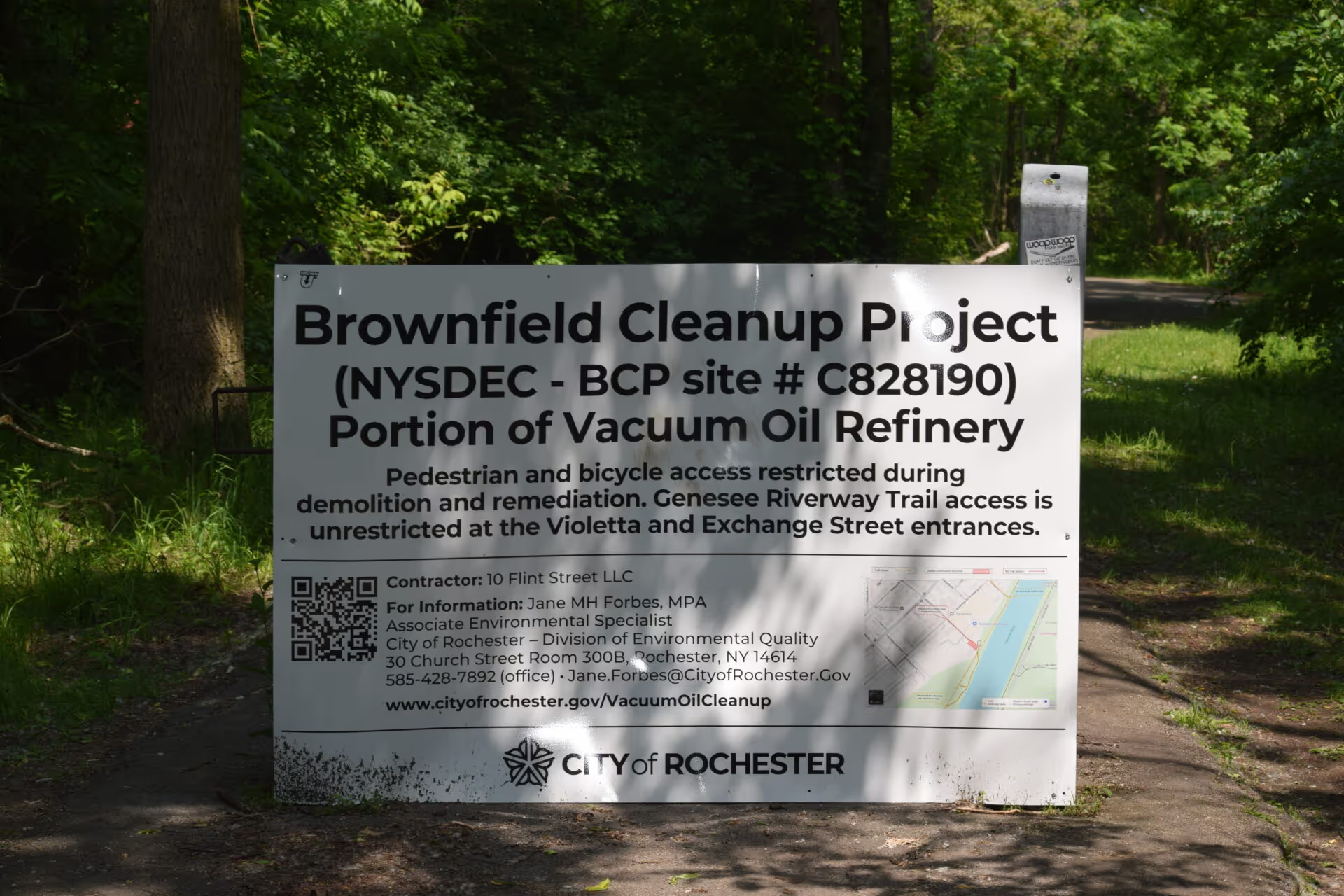
Environmental Cleanup Opens Path for Rochester Waterfront Transformation
Rochester is moving forward with comprehensive remediation of the 13.5-acre former Vacuum Oil site, a contaminated brownfield that will eventually be transformed into a new riverfront park and enhanced Genesee Riverway Trail development. The cleanup represents a critical step in the city's vision for waterfront revival and community reconnection to the Genesee River.
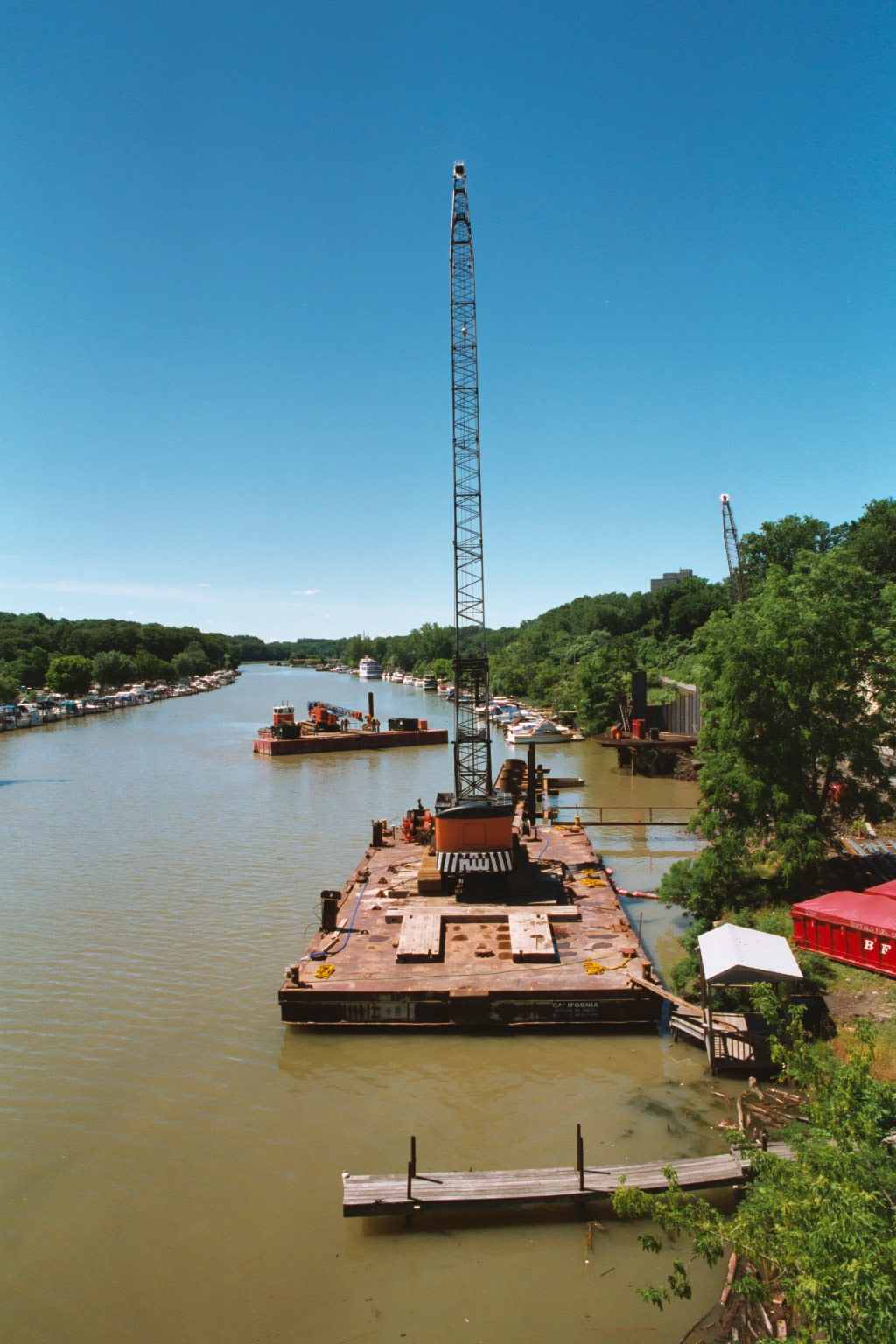
Project Scope and Environmental Cleanup
Roux Associates Inc., a nationally recognized environmental consulting and remediation firm, will oversee the cleanup efforts. The firm—headquartered in Islandia, Long Island, and with an office in Pittsford, New York—has successfully completed similar remediation projects including the Elk Street Petroleum Terminal in Buffalo and the Bethlehem Steel site in Lackawanna.
The remediation will include:
- Soil treatment and contamination removal — Excavating and disposing of contaminated soil off-site
- Clean soil backfilling — Installing at least two feet of clean material across the entire site
- Long-term site management plan — Developing health and safety protocols and ongoing monitoring procedures
- Environmental monitoring — Establishing protocols to protect employee safety and surrounding community health
This phase of the project is expected to require 18 to 24 months to complete, with costs supported in part by the New York State Brownfield Cleanup Program (BCP).
What This Means for Rochester's Waterfront
"This project represents another important step toward healing our riverfront and transforming a once-contaminated site into an asset for the people of Rochester," Mayor Malik Evans said in a news release. "By cleaning up the land and restoring it for future use, we're protecting public health, honoring our environmental responsibility and reconnecting our neighborhoods to the Genesee River."
The remediation is part of a larger Rochester vision to establish the former Vacuum Oil site as a catalyst for development. The city plans to create a new riverfront park and make significant enhancements to the Genesee Riverway Trail, while also preparing "shovel-ready" commercial and residential development sites for future investment.
Environmental Justice and Public Health Impact
The Vacuum Oil site has been a source of environmental concern for decades due to petroleum contamination from historical industrial operations. The brownfield cleanup aligns with Rochester's commitment to environmental justice—addressing legacy contamination in neighborhoods that have borne the burden of industrial development.
Roux Associates' Vice President Ian Reed emphasized the importance of protecting the surrounding community: "Roux's goal is to provide the highest quality environmental services, which includes protecting the health and safety of our employees, on-site partners and the surrounding community."
Brownfield Program Funding and Incentives
The New York State Brownfield Cleanup Program provides critical financial and liability relief for sites undergoing remediation. The program streamlines the cleanup process and provides protection from future environmental liability, making it easier for cities and developers to reclaim contaminated sites.
This funding model makes Rochester's waterfront transformation economically viable while ensuring environmental standards are met. Once additional funding is secured, the city will proceed with the West River Wall Segment II project, further enhancing riverfront access and stability.
Future Development Opportunities
The successful remediation of the Vacuum Oil site opens the door for mixed-use waterfront development. Rochester is increasingly attractive to residential and commercial developers, and the addition of waterfront parks and enhanced trail systems will further boost property values and quality of life in surrounding neighborhoods.
The city's strategic approach to brownfield redevelopment demonstrates how environmental cleanup can be a catalyst for economic growth—transforming liabilities into community assets that generate jobs, increase tax revenue, and improve public health.
Timeline and Next Steps
The current remediation phase is expected to take 18 to 24 months. Following completion, the city will evaluate the site for commercial and residential development opportunities and finalize plans for the riverfront park and trail enhancements.
Source: Rochester Business Journal, December 4, 2025

Discuss an Upcoming Project


