
news +insights
Webster NY: $250M Infrastructure Boom Powers Industrial Hub Growth
Webster's Xerox Brownfield Transformation Sets Regional Development Model
Webster, New York, has emerged as a compelling case study in strategic municipal planning and public-private partnerships (PPPs). The town's transformation of a former 300-acre Xerox campus brownfield into a thriving high-tech industrial hub is attracting significant private investment and reshaping the regional economy—offering critical insights for construction industry professionals, developers, and investors.
Strategic Infrastructure Investment Powers Regional Growth
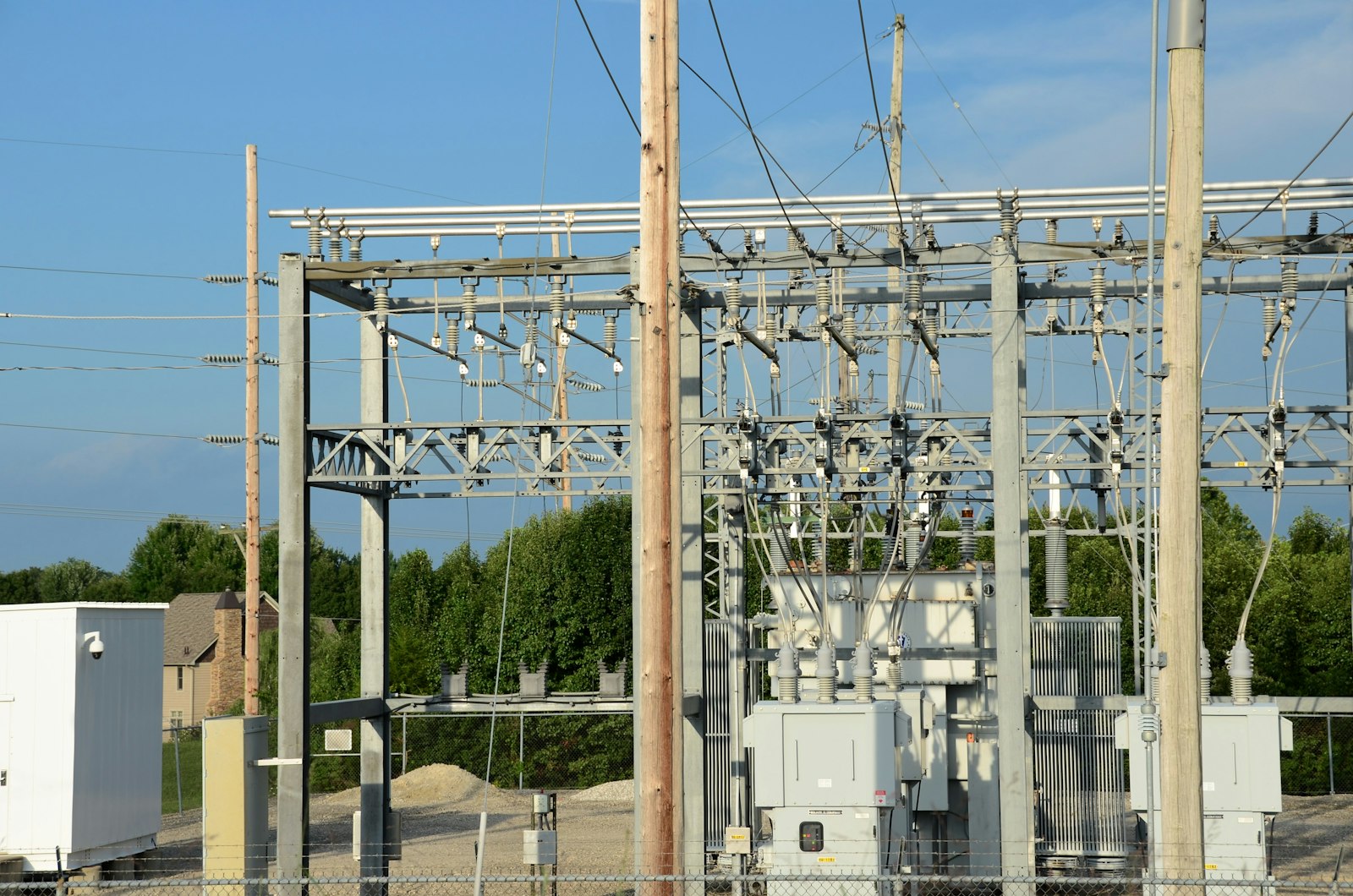
Webster leveraged a $9.8 million FAST NY grant as the catalyst for a broader redevelopment initiative. This funding, part of a statewide $283 million program, has fueled critical upgrades to roads, sanitary sewer systems, and electrical grids, creating what developers describe as a "shovel-ready" site for advanced manufacturing, food and beverage production, and semiconductor supply chain industries.
The town has also secured additional grants totaling $20 million for wastewater treatment plant upgrades and $4.5 million from the NY Forward Program for downtown revitalization. These coordinated infrastructure investments enhance connectivity, reduce industrial vacancy rates, and position Webster as a logistics and manufacturing nexus—particularly given its strategic location near I-390 and Rochester International Airport.
Anchor Projects Drive Regional Economic Activity
The $650 million fairlife® dairy facility—a Coca-Cola subsidiary project—serves as the primary anchor tenant for the redeveloped site. This facility is projected to create 250 new jobs and represents a watershed moment for the region's industrial economy. The partnership between Webster's Economic Development Alliance (WEDA), state agencies, and private developers demonstrates how public funds can effectively de-risk large-scale private investments and accelerate development timelines.
Beyond the fairlife project, Xerox has collaborated with local government to adjust municipal boundaries on the campus, enabling the sale of subdividable parcels. This flexibility attracts a diverse range of industries—from advanced manufacturing to logistics firms—ensuring sustained economic activity across the 300-acre site.
Real Estate and Economic Ripple Effects
The measurable economic impact of Webster's infrastructure investment is already evident. Since the project's inception, residential property values in Webster have surged by 10.1%, while median household income rose by 4.31% from 2023 to 2025. These metrics highlight the symbiotic relationship between infrastructure investment and real estate appreciation—a trend infrastructure funds and commercial real estate investors should carefully monitor.
The phased completion of road realignments, sewer expansions, and electrical grid modernization by 2025–2026 presents a clear timeline for capital deployment. The transfer of 8.5 lane-miles of the Xerox campus's roadway network to public ownership further enhances long-term value by improving mobility and reducing development delays.
Key Takeaways for Construction and Development Professionals
Shovel-Ready Sites: Webster's FAST NY grant created a pipeline of pre-developed land, significantly reducing the time and cost for private developers to bring projects to market.
Job Creation and Industry Attraction: The focus on advanced manufacturing and logistics aligns with national trends toward reshoring and supply chain resilience, ensuring sustained demand for industrial space and skilled labor.
Value-Add Opportunities: The combination of infrastructure upgrades, strategic PPPs, and geographic positioning creates a high-growth corridor with residential and commercial real estate poised for continued appreciation.
What This Means for Construction Contractors
Webster's transformation demonstrates the importance of understanding local infrastructure development pipelines. General contractors and specialty trades should monitor communities receiving state and federal infrastructure grants. These investments signal future project opportunities, workforce demand, and potential supply chain investments that can span years.
The emphasis on precision infrastructure upgrades—particularly sewer and electrical systems—indicates contractors with expertise in utility installation and industrial infrastructure improvements will find robust demand in Webster and similar upstate New York communities.
Industry Implications and Future Outlook
Webster's model illustrates how strategic public investment in infrastructure can unlock private capital and drive regional economic transformation. As the site becomes fully operational by 2026, construction activity is expected to accelerate. For infrastructure professionals and construction firms, Webster represents a bellwether for post-industrial brownfield redevelopment strategies that combine public funding, private partnership models, and targeted infrastructure improvements.
This approach is increasingly relevant as communities nationwide seek to revitalize aging industrial sites and attract advanced manufacturing investment. Contractors and developers monitoring similar initiatives in upstate New York and across the Northeast will likely identify robust pipeline opportunities in coming years.
Sources: AInvest News (November 29, 2025) | Webster Economic Development Alliance | New York State FAST NY Program | Data compiled from regional economic development reports 2023-2025

Let's connect
For organizations planning commercial, industrial, or infrastructure work, we will review the project and recommend the appropriate delivery approach.

Join our team
If you hold yourself to careful, accountable work, you already work the way we do.