
news +insights
U.S. Construction Reaches Historic Peak—But Storm Clouds Gather
U.S. Commercial Construction Reaches Historic Peak—But Storm Clouds Gather
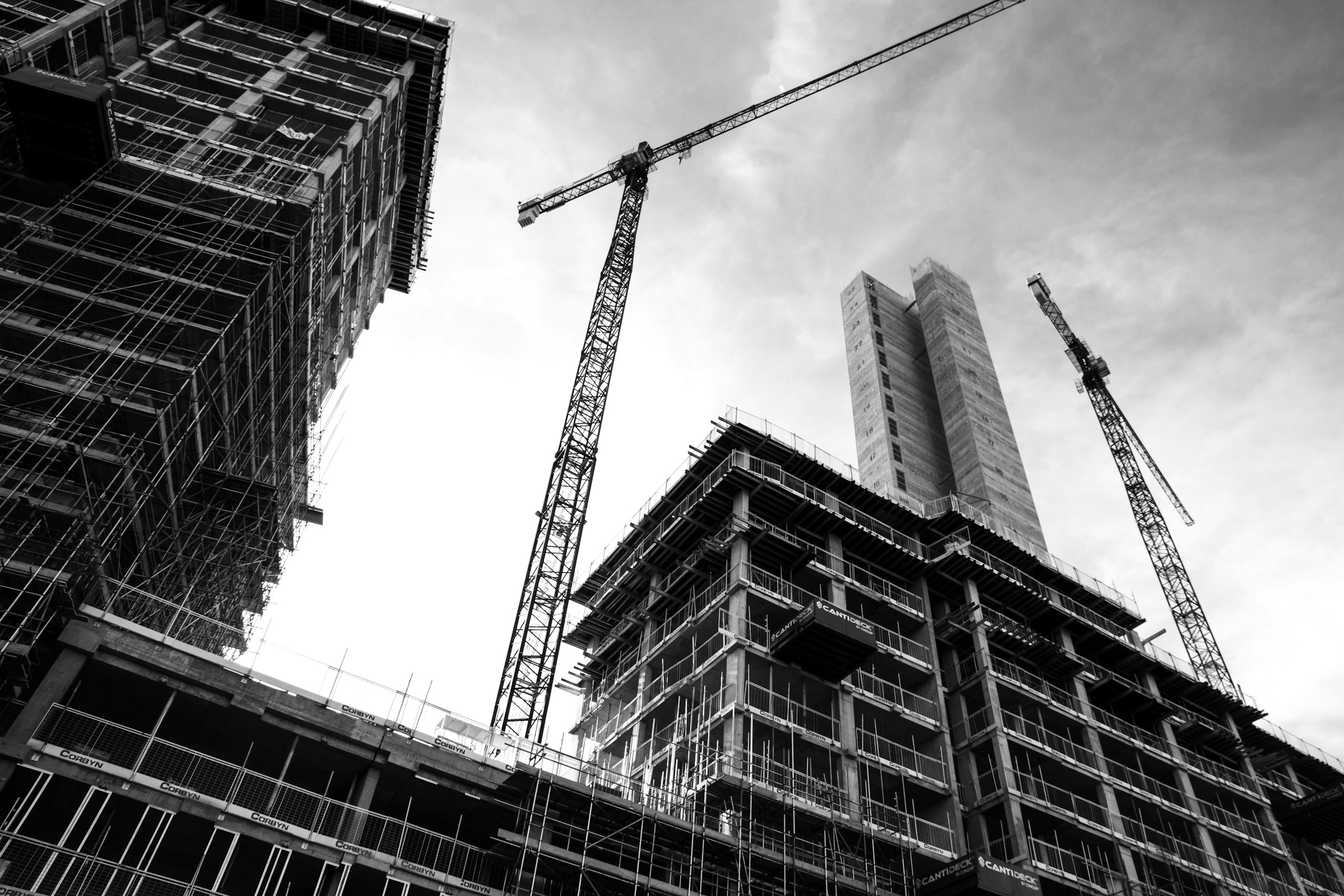
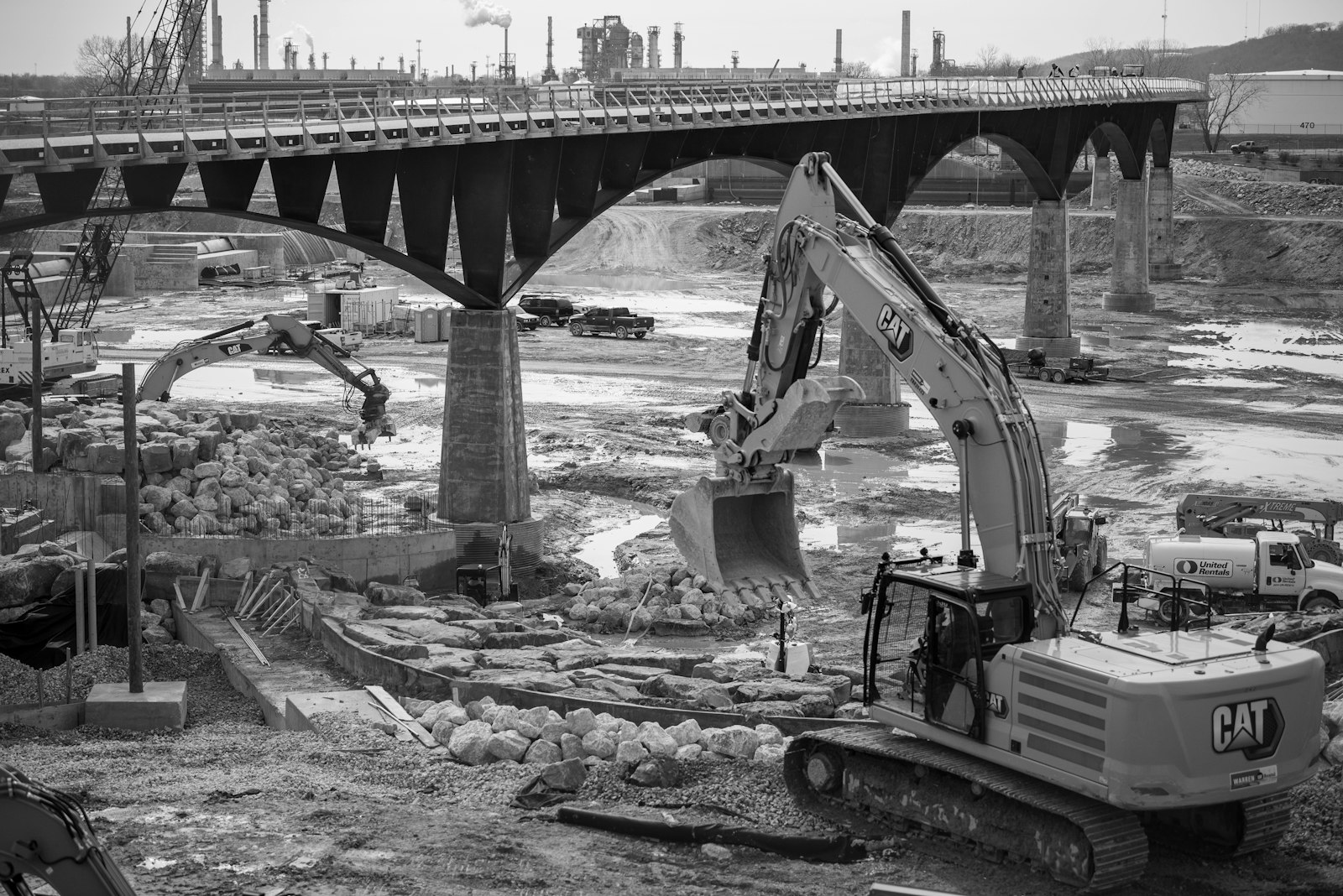
The U.S. commercial construction industry is experiencing an unprecedented paradox in 2025: simultaneous record growth and emerging instability. Construction employment hit 8.3 million jobs in May 2025—the highest level recorded since data collection began in 1939—yet early indicators suggest significant challenges ahead that could slow the momentum, according to a comprehensive analysis by QBE North America, originally reported by Risk and Insurance (2025).
This moment represents a rare convergence of record industry strength masking growing vulnerabilities. Understanding these dynamics is critical for contractors, developers, and industry stakeholders planning for 2026 and beyond.
The Record Boom: Historic Employment Levels
The construction industry's recovery since the 2008 financial crisis has been remarkable. Not only did employment recover—it surged past pre-crisis peaks in 2023, reaching unprecedented levels by mid-2025. Multiple factors fueled this boom:
- Federal Infrastructure Spending: Programs like the Infrastructure Investment and Jobs Act (IIJA) and the CHIPS and Science Act directed billions into construction projects nationwide.
- Corporate Investment: Demand for data centers, advanced manufacturing facilities, and technology campuses accelerated dramatically.
- Reshoring Initiatives: Companies moving production back to the United States to reduce supply chain risks and geopolitical exposure.
Workers have benefited directly from the competition for talent. Construction wages climbed 4.2% from June 2024 to June 2025—outpacing the national average and reflecting intense employer competition for skilled workers.
Warning Signs: Employment Contraction and Spending Declines
However, recent patterns signal potential trouble ahead. For the first time since 2012, construction employment dropped for three consecutive months between June and August 2025. Additionally, commercial construction spending has fallen for two consecutive years, reverting to levels not seen since before the 2022 surge.
These declines align with broader economic cooling. Job creation nationwide has slowed to post-recession levels, GDP underperformed expectations during the first half of 2025, and foreign investment has disappointed. This macroeconomic context suggests the construction slowdown may not be an isolated blip but rather part of a larger economic deceleration.
Labor Shortage: The Industry's Biggest Constraint
Even at record employment levels, the construction industry faces acute labor scarcity. The need for workers is far outpacing supply.
Key labor market statistics:
- 499,000 additional workers needed in 2026 to meet demand, according to the Associated Builders and Contractors (ABC).
- 92% of construction firms struggle to fill open roles, according to a joint survey by the Associated General Contractors of America (AGC) and the National Commission for the Certification of Crane Operators (NCCER).
- Over one in five construction workers is age 55 or older, creating generational workforce turnover challenges.
- Fewer young Americans are entering the construction trades as college enrollment remains culturally prioritized.
Immigration policy changes compound these challenges. Foreign-born workers represent 25.5% of the construction workforce—far higher than the national labor rate of 17.7%. Stricter immigration enforcement is tightening this crucial labor pipeline, and industry analysts project labor shortages could intensify significantly over the next three years.
Tariffs and Trade Policy: Driving Cost Volatility
Material costs present a second major threat to sector stability. Tariff policy shifts have dramatically transformed construction pricing dynamics.
The U.S. weighted average tariff rate jumped to nearly 20% in 2025—a stark increase from 2–3% in January, according to QBE's analysis. Critical construction materials face even steeper increases:
- 50% tariffs on steel and aluminum
- 10% tariff on imported lumber
These tariff increases have already driven measurable inflation in construction input costs. Nonresidential building input prices rose 2.6% year-over-year as of August 2025. More concerning are material-specific increases:
- Iron and steel costs up 9.2%
- Copper and cable prices surged 13.8%
With USMCA (United States-Mexico-Canada Agreement) renegotiations scheduled for 2026, trade uncertainty may compound further volatility and deter investment planning.
Federal Incentive Funding: The Clock Is Ticking
The federal programs that powered recent construction spending are nearing depletion. The CHIPS and Science Act and the Infrastructure Investment and Jobs Act will be fully allocated by late 2026. Additionally, the Biden administration has frozen tens of billions in Inflation Reduction Act (IRA) grants and is exploring reduced tax credits and accelerated expiration timelines.
This policy reversal could steadily slow the wave of manufacturing, energy, and infrastructure projects that have driven construction demand since 2022. Contractors and developers must prepare for a potential shift in project opportunity pipelines.
What This Means for Contractors
For construction businesses navigating 2026, the message is clear: prepare for volatility. The industry is at an inflection point. Record employment and spending levels are masking structural challenges that could reshape the market within months.
Strategic considerations for contractors include:
- Labor Strategy: Accelerate apprenticeship and training investments. The 499,000 worker shortfall in 2026 represents both a challenge and an opportunity—firms with strong training pipelines will have competitive advantages.
- Cost Management: Lock in material prices where possible. Tariff uncertainty requires flexible pricing strategies and careful contract management.
- Project Selection: Prioritize projects backed by federal funding still in the allocation pipeline or private equity investment, both of which appear more durable than general commercial demand.
- Diversification: Consider specialization in high-demand sectors: data centers, renewable energy, and advanced manufacturing face sustained demand despite broader market uncertainty.
Long-Term Opportunities: Data Centers and Green Energy
Despite near-term headwinds, significant opportunities persist. Renewable energy generation capacity is projected to nearly triple between 2023 and 2033. Electric vehicle infrastructure will continue generating construction demand.
The private sector, particularly data center construction, may offer the most substantial opportunity. The Electric Power Research Institute projects data center electricity consumption to rise from 4% of U.S. generation in 2024 to up to 9% by 2030. The Bureau of Labor Statistics forecasts 5.9% employment growth in nonresidential building construction—much of it data center-driven.
State incentive programs are also reshaping investment patterns. Texas has distributed over $100 million in Enterprise Fund grants, helping secure nearly $25 billion in private investment commitments. Other states—Michigan, Georgia, New York, Ohio, and Arizona—are aggressively competing with similar incentive packages.
The Green Building Market Is Growing
The commercial green building market is projected to nearly double between 2025 and 2030, driven by regulatory expectations and corporate sustainability strategies. Even in states with fewer strict environmental mandates, developers are increasingly building to green standards due to long-term cost savings and market preference.
Looking Ahead: 2026 and Beyond
The U.S. construction industry stands at a crossroads. The record employment and spending of 2025 are genuine achievements, but they rest on a foundation that is beginning to shift. Labor shortages will intensify. Tariff volatility will persist. Federal incentive programs will deplete. Economic growth may slow further.
However, this volatility also creates clarity. The projects, sectors, and strategies that can thrive despite these headwinds will define the next phase of construction industry growth. Private investment in data centers and advanced manufacturing, state-level incentive programs, and green building initiatives appear positioned to sustain momentum when broader commercial demand softens.
Contractors who prepare now for labor constraints, cost volatility, and shifting demand will be well-positioned for success in 2026 and beyond.
Sources: QBE North America analysis (reported in Risk and Insurance, 2025); Associated Builders and Contractors (ABC); Associated General Contractors of America (AGC); National Commission for the Certification of Crane Operators (NCCER); Bureau of Labor Statistics; Electric Power Research Institute
Let's connect
For organizations planning commercial, industrial, or infrastructure work, we will review the project and recommend the appropriate delivery approach.

Join our team
If you hold yourself to careful, accountable work, you already work the way we do.