
Syracuse I-81 Viaduct: New York's Largest Road Construction Project at $2.25 Billion
The Syracuse Interstate 81 viaduct removal and replacement project has become New York State's largest road construction project, with a total cost of $2.25 billion. According to reporting by ACE Publications published December 29, 2025, the project represents one of the nation's most significant infrastructure transformations, removing a 50-year-old elevated highway and rebuilding the critical transportation corridor at grade level to reconnect downtown Syracuse with surrounding neighborhoods.
Project Overview and Scale
The Interstate 81 viaduct project is transforming one of Syracuse's most significant infrastructure assets. The current elevated viaduct, built in the 1960s, physically divided downtown Syracuse from the city's residential neighborhoods. The replacement project will remove the elevated structure and rebuild I-81 at ground level, reuniting the downtown district with neighborhoods to the south while modernizing highway infrastructure for 21st-century traffic patterns and safety standards.
The $2.25 billion investment represents New York State's largest single road construction project, reflecting the complexity, scale, and critical importance of reconstructing a major interstate corridor that serves as the region's primary north-south transportation artery. Daily traffic on I-81 through Syracuse exceeds 110,000 vehicles, making the project essential to regional commerce and connectivity.
The project is being executed by the New York State Department of Transportation (NYSDOT) in coordination with the Federal Highway Administration, reflecting the interstate's federal significance and funding partnership between state and federal governments.
Project Details and Construction Strategy
Core Project Components
- Total Investment: $2.25 billion
- Project Type: Interstate viaduct removal and at-grade reconstruction
- Current Structure: Elevated viaduct built 1960s-1970s, designed for 50-year service life
- New Structure: Grade-separated interchange at ground level with improved safety and connectivity
- Daily Traffic Volume: 110,000+ vehicles using I-81 through Syracuse corridor
- Geographic Scope: Spans downtown Syracuse to suburban areas, connecting New York State's major north-south transportation corridor
Heavy Equipment and Construction Methods
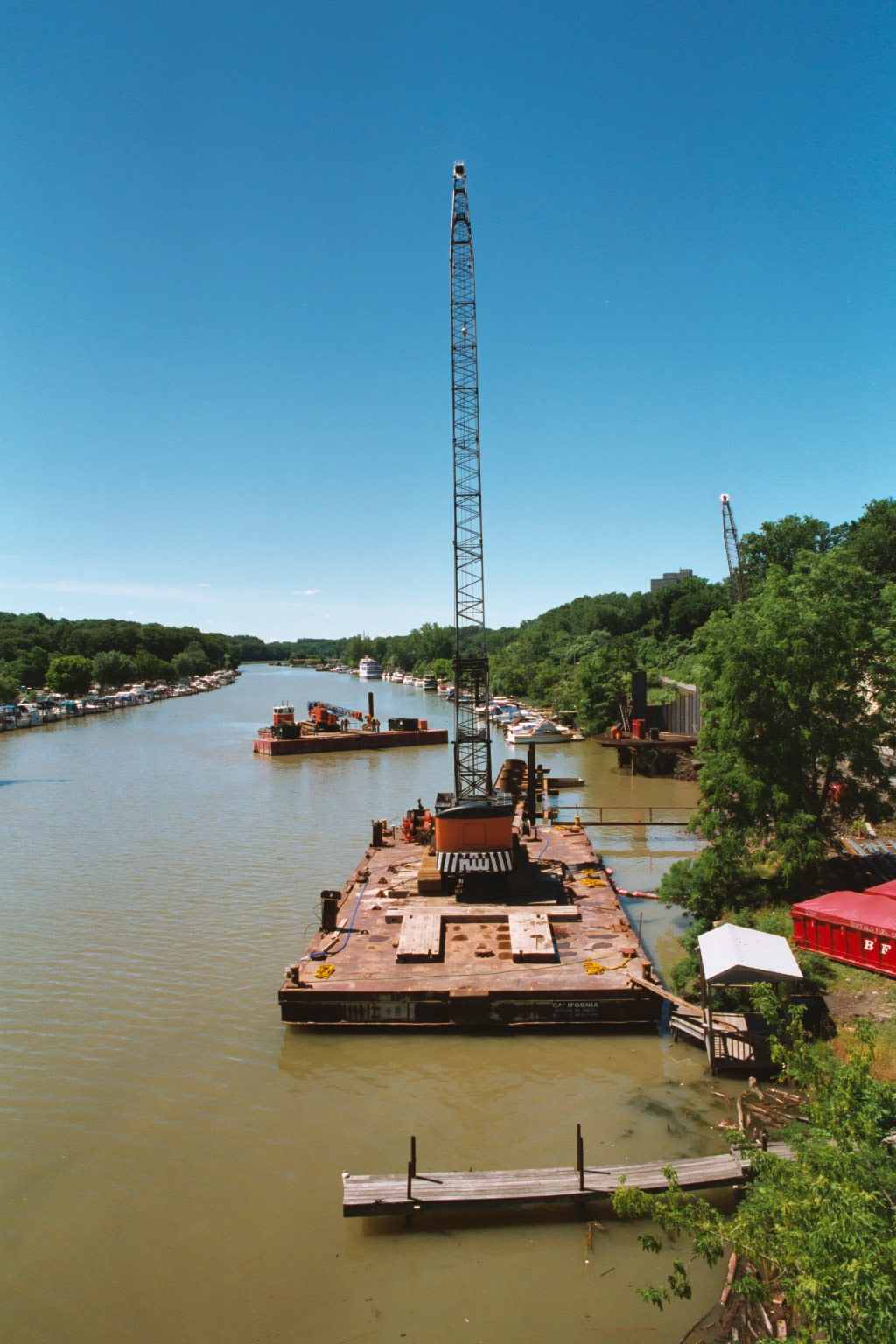
According to ACE Publications' report, Link-Belt cranes are driving progress on the viaduct project. Link-Belt, a major manufacturer of heavy lifting equipment, provides the specialized cranes and hoisting equipment required for viaduct demolition, structural removal, and new bridge construction.
The use of specialized heavy equipment like Link-Belt cranes reflects the technical complexity of viaduct removal. Elevated highway structures must be carefully dismantled to prevent structural failure and maintain safety throughout the demolition process. Cranes position materials, support temporary bracing, and lower heavy structural components in a controlled sequence that protects workers and surrounding infrastructure.
Viaduct Demolition Strategy: Rather than implosion or mass demolition, which would be dangerous in an urban environment, the project uses methodical structural deconstruction. Sections are carefully removed, material is recycled where possible, and the construction site is managed to minimize disruption to surrounding neighborhoods and businesses.
Phased Construction Approach
The project is structured in phases to maintain traffic flow and minimize disruption during the multi-year reconstruction period. Traffic is being rerouted through temporary configurations while construction proceeds, with detailed coordination between NYSDOT, contractors, and local traffic management authorities to maintain regional connectivity.
Why This Project Matters for Syracuse and Central NY
The I-81 viaduct project is more than a road reconstruction—it represents a fundamental transformation of Syracuse's urban geography. For decades, the elevated viaduct physically separated downtown Syracuse from the city's neighborhoods to the south. The new at-grade configuration will:
- Restore Urban Connectivity: Return direct street-level access between downtown and residential neighborhoods, reversing decades of physical separation
- Support Downtown Revitalization: Improved connectivity makes downtown more accessible to surrounding neighborhoods, supporting retail, dining, and cultural district development
- Enhance Safety: Modern at-grade highway design includes current safety standards, improved sightlines, and separated pedestrian and bicycle facilities
- Modernize Infrastructure: Replacement of 50-year-old structure with systems designed for contemporary and future traffic patterns
- Regional Economic Impact: Construction activity generates employment for heavy equipment operators, structural ironworkers, and related trades over multiple years
The project has been a regional priority for decades, with planning and environmental studies spanning years before construction began. The fact that New York State is now executing the project reflects commitment to addressing this long-standing infrastructure challenge.
Construction Timeline and Workforce
The $2.25 billion viaduct project will span multiple years, with phases extending well into the 2030s. Major phases include:
- Viaduct Demolition: Systematic removal of elevated structure (ongoing through 2026-2027)
- Foundation and Underground Work: Preparation of at-grade site, utility relocation, foundation construction (2025-2028)
- New Bridge and Pavement Construction: Building new at-grade highway sections, including bridges, ramps, and traffic management infrastructure (2026-2030)
- Final Phases: Surface completion, landscaping, and integration with local street networks (2030-2033)
The project will employ hundreds of construction workers, including heavy equipment operators, ironworkers, concrete specialists, electricians, and general construction trades. For the regional construction industry, the I-81 project represents a multi-year source of employment and specialized work.
Link-Belt Cranes and Heavy Equipment
Link-Belt, a recognized leader in mobile cranes and heavy lifting solutions, is providing critical equipment for the viaduct demolition and reconstruction. Link-Belt cranes are used for:
- Positioning and moving large structural members during demolition
- Supporting temporary bracing and stabilization systems
- Lifting and placing new bridge components during construction
- Managing material handling throughout the project
The selection of Link-Belt equipment reflects the project team's commitment to using proven, reliable heavy equipment for this complex and critical infrastructure project.
Regional Significance and Economic Impact
The I-81 viaduct project is part of New York State's broader commitment to infrastructure modernization across upstate New York. Similar projects at Rochester's Frederick Douglass-Susan B. Anthony Bridge and other locations demonstrate sustained state investment in critical transportation assets.
For Syracuse and Central New York, the project represents an opportunity to transform downtown and regional connectivity while modernizing interstate infrastructure. The investment positions Syracuse for long-term growth and improved quality of life through restored urban connectivity and modernized transportation systems.
Looking Ahead
As the I-81 viaduct project advances through its phases, Syracuse will experience significant construction activity but also tangible improvements in urban connectivity, downtown accessibility, and regional transportation infrastructure. The project exemplifies how major infrastructure investment can drive both immediate economic activity through construction employment and long-term community benefits through improved connectivity and safety.
Westside Construction Group has extensive experience in complex infrastructure projects across Upstate New York. With 28+ years of expertise in heavy civil construction, highway work, and major infrastructure transformation, WCG understands the challenges of projects like I-81. For developers, municipalities, and agencies planning significant infrastructure work, WCG offers comprehensive pre-construction, permit coordination, and project management services. Contact WCG: buildwcg.com

Discuss an Upcoming Project


