

news +insights
House Passes PERMIT Act to Speed Infrastructure Permitting
Federal Permitting Reform Aims to Reduce Costs, Accelerate Infrastructure Projects
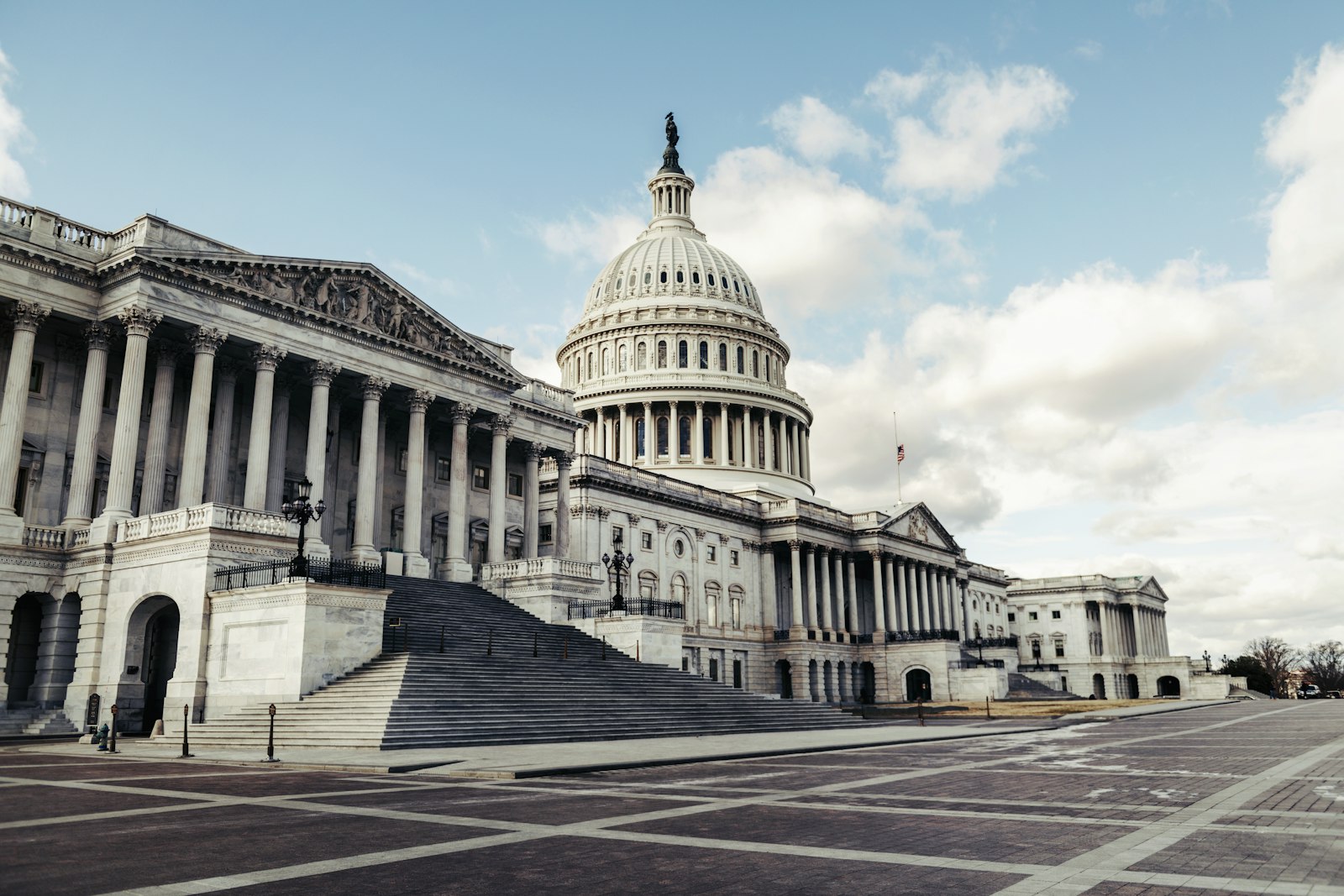
The U.S. House of Representatives approved comprehensive permitting reform legislation on December 11, 2025, signaling Congress's commitment to reducing regulatory barriers affecting construction and infrastructure development. The PERMIT Act (Promoting Efficient Review for Modern Infrastructure Today) passed the House with bipartisan support, representing a significant shift in federal approach to Clean Water Act permitting processes.
For contractors, infrastructure developers, energy producers, and construction companies nationwide, this legislation could substantially reduce project timelines, improve cost predictability, and provide greater regulatory certainty.
What Is the PERMIT Act and What Does It Do?
H.R. 3898, the PERMIT Act, represents a comprehensive package of commonsense reforms to Clean Water Act (CWA) permitting processes. The legislation is sponsored by Water Resources and Environment Subcommittee Chairman Mike Collins (R-GA), with Transportation and Infrastructure Committee Chairman Sam Graves (R-MO) as original cosponsor.
According to Chairman Graves, the PERMIT Act "will help lower construction costs and utility bills, speed up infrastructure project timelines, and provide greater regulatory certainty."
The legislation addresses modernization of Clean Water Act permitting, which has been in place since 1972. In recent years, some permitting processes have become increasingly confusing, cumbersome, or prohibitively costly, or have been increasingly abused by frivolous litigation or to stop infrastructure projects for reasons beyond water quality issues, according to the House Transportation and Infrastructure Committee.
Key Benefits for Construction and Infrastructure Industries
The PERMIT Act is designed to benefit multiple industries and stakeholders in the construction and infrastructure ecosystem:
- Infrastructure builders - Reduced permitting delays and lower compliance costs
- Home builders - Streamlined permitting for residential construction projects
- Water utilities - More efficient permitting processes for water system upgrades
- Energy developers - Faster permitting for renewable and traditional energy infrastructure
- Farmers and agricultural interests - Reduced regulatory burden for agricultural operations
- Small businesses - Lower compliance costs and faster project approval
The modernized permitting processes provided by the PERMIT Act will improve project affordability by reducing unnecessary regulatory burdens and costs, according to House leadership.
Congressional Bipartisan Support
The PERMIT Act emerged from collaborative effort among multiple House Transportation and Infrastructure (T&I) Committee members. In addition to Chairman Collins and Chairman Graves, T&I members who contributed proposals incorporated into the PERMIT Act include:
- Rep. Rick Crawford (R-AR)
- Rep. David Rouzer (R-NC)
- Rep. Doug LaMalfa (R-CA)
- Rep. Pete Stauber (R-MN)
- Rep. Dusty Johnson (R-SD)
- Rep. Burgess Owens (R-UT)
- Rep. Eric Burlison (R-MO)
- Rep. Jeff Hurd (R-CO)
- Rep. Jefferson Shreve (R-IN)
- Rep. Dave Taylor (R-OH)
- Rep. Jimmy Patronis (R-FL)
This broad coalition across multiple districts and regions demonstrates widespread support for permitting reform within Congress.
Environmental Protection Maintained
The PERMIT Act maintains continued protection of the nation's water quality while modernizing permitting processes. Chairman Collins emphasized this balance: "The PERMIT Act delivers much-needed reform to the Clean Water Act that will overhaul permitting processes and reduce burdens on permit seekers. As we enter a new era with a renewed focus on domestic energy production and growth, this legislation delivers the tools that our country needs to build faster, smarter, and safer."
The legislation is designed to ensure that states, local communities, and others throughout the regulated community can more confidently comply with the Clean Water Act while benefiting from streamlined, more efficient permitting processes.
What This Means for Contractors and Construction Professionals
The PERMIT Act passage has significant implications for construction firms, general contractors, and infrastructure developers:
Reduced Project Timelines: Faster permitting processes mean construction projects can move from approval to active construction more quickly, reducing carrying costs and improving project cash flow.
Cost Savings: Lower compliance costs and reduced permitting delays translate to lower project overhead and improved profitability. These savings can be passed on to project owners or reinvested in contractor workforce development and innovation.
Regulatory Certainty: Clearer permitting standards and more consistent application of regulations help contractors bid more accurately and manage project budgets more effectively.
Litigation Risk Reduction: By addressing frivolous litigation abuse of permitting processes, the PERMIT Act reduces legal costs and project delays caused by non-merit legal challenges.
Infrastructure Investment Climate: By improving the permitting environment, the legislation creates a more favorable climate for major infrastructure investment, generating increased demand for construction services.
Next Steps
The PERMIT Act now moves to the Senate for consideration. Industry observers anticipate continued momentum for permitting reform as policymakers across both parties recognize the importance of efficient permitting for economic growth and infrastructure development.

Let's connect
For organizations planning commercial, industrial, or infrastructure work, we will review the project and recommend the appropriate delivery approach.

Join our team
If you hold yourself to careful, accountable work, you already work the way we do.