

news +insights
OSHA 2026 Safety Deadlines: What Contractors Must Know
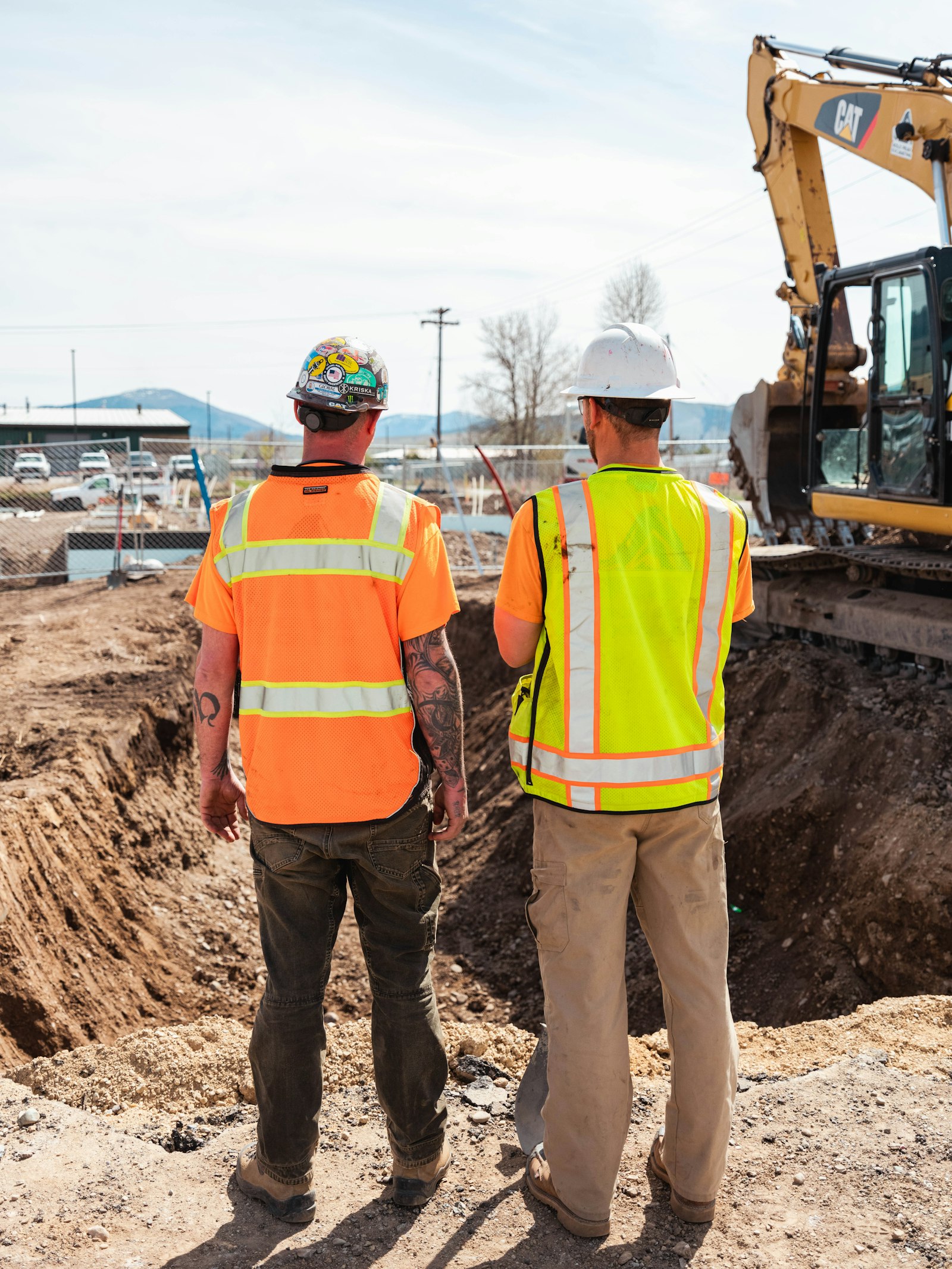
Construction contractors are entering 2026 with higher OSHA expectations around planning, documentation, and proactive hazard control. Even without major regulatory changes, OSHA's enforcement priorities have shifted dramatically—and owners and insurance carriers are aligning with these expectations too. According to CONEXPO-CON/AGG, published December 30, 2025, contractors who modernize their safety programs now will avoid citations, reduce risks, and strengthen their competitive position when bidding in 2026.
The stakes are real. OSHA continues signaling that it will focus on the hazards most associated with serious injuries and fatalities: struck-by, caught-in/between, falls, electrical, and trenching. For contractors, this means moving beyond compliance checklists toward systems that identify high-energy hazards before work begins.
1. High-Energy Hazards Will Drive 2026 OSHA Enforcement
OSHA has made it clear that inspections will continue targeting the activities most associated with worker deaths and serious injuries. These remain the leading causes of construction fatalities and will shape the majority of OSHA inspections in 2026:
- Struck-by hazards: Heavy equipment blind spots, haul roads, work zones
- Caught-in/between hazards: Rigging, pinch points, rotating parts
- Falls: Leading-edge exposures and residential construction
- Trenching & excavation: Still one of OSHA's highest-fatality hazards
- Electrical hazards: Proximity to power sources and proper grounding
OSHA's National Emphasis Programs reinforce this trend, with ongoing programs focused on falls, heat exposure, and work zones. Instead of relying on compliance checklists alone, OSHA inspectors will expect to see systems that identify high-energy hazards before work begins.
What contractors should do now: Incorporate the Energy Wheel concept into pre-task planning, add hazard maps showing high-risk areas to your jobsites, ask crews during daily huddles what could cause serious injury that day, and refresh training around struck-by prevention and equipment interaction.
2. Updated Written Safety Programs and New OSHA Rules
Several OSHA rulemakings are advancing in 2026, and contractors will feel the effects even before final rules are published. Key areas include:
Heat Illness Prevention Standard
OSHA continues moving toward a federal heat illness standard. Until finalized, OSHA uses the General Duty Clause and Heat National Emphasis Program for enforcement. OSHA now expects contractors to have a written heat plan that includes:
- Shade, rest, and hydration provisions
- Acclimatization for new or returning workers
- Heat monitoring during high-risk periods (summer months, outdoor work)
- Modified work schedules during extreme heat
OSHA Walkaround Rule Expansion
Under the updated final rule, OSHA may allow third-party representatives—such as safety professionals or worker advocates—to join inspections. This dramatically increases the importance of having documents, training records, and site controls inspection-ready at all times.
Injury & Illness Electronic Reporting Expansion
More contractors must now electronically submit injury and illness data, and OSHA plans to post some information publicly. Accuracy, documentation, and timeliness now influence not just compliance—but which companies OSHA chooses for targeted inspections.
3. OSHA Will Expect Proof of Training and Competency Documentation
Documentation is becoming one of the clearest indicators of safety performance in 2026. Training must be both current and verifiable. OSHA inspectors will look for:
- Proof that equipment operators are competent, not only trained
- Digital or easily accessible training logs with dates and signatures
- Documented pre-task hazard analyses tied to specific activities
- Evidence that subcontractors received the same orientation and expectations
- Follow-up actions documented after hazards or near misses
Owners and insurance carriers increasingly request this same data, amplifying its importance for contract wins. Contractors can prepare by creating a simple digital log for training (shared drives, apps, or spreadsheets all work), standardizing pre-task plans that include high-energy hazard identification, developing a subcontractor onboarding checklist, and scheduling annual retraining with current documentation.
4. Increased Scrutiny of Work Zones and Mobile Equipment
Work zone deaths and struck-by incidents continue to rise nationally, prompting OSHA to intensify inspections involving mobile equipment and mixed-traffic work. OSHA's 2026 focus will likely include:
- Worker visibility in and around equipment traffic
- Blind spot management and signal person communication
- Work zone layout (signage, taper lengths, buffers)
- Equipment inspections and seat belt enforcement
- Proximity controls and alarms when feasible
Steps contractors should take include updating safety guidelines for high-traffic jobsites, ensuring equipment inspections are documented daily, providing enhanced high-visibility apparel for mixed-traffic conditions, and implementing proximity alarms or cameras where practical. Even small improvements in visibility and communication can dramatically reduce struck-by risks.
Building Your 2026 OSHA Action Plan
This framework will help contractors stay ahead of OSHA's changing expectations in 2026:
January–February
- Update heat illness, fall protection, trenching, and equipment programs
- Audit injury logs before electronic submission deadlines
- Create a plan for handling hazardous materials on construction sites
March–June
- Conduct annual orientation and competency refreshers
- Standardize pre-task plans across all projects
- Roll out digital documentation processes
- Train all workers on electrical safety hazards and solutions
July–September
- Add hazard maps to active projects
- Reinforce high-energy hazard identification in daily huddles
- Reassess subcontractor safety alignment with your expectations
October–December
- Conduct a mock OSHA inspection on your jobsites
- Review all training logs and identify retraining needs
- Prepare for the 2027 construction season with updated programs
What This Means for Your Construction Business
OSHA's 2026 enforcement signals a clear message: contractors who proactively identify and control hazards—rather than relying on after-the-fact compliance—will avoid costly citations and penalties. More importantly, they'll protect their workforce and strengthen their competitive position.
The shift toward documentation and digital tracking reflects modern jobsite realities. Owners and general contractors increasingly expect subcontractors to demonstrate competency through verifiable records, not just assertions. Insurance carriers are also raising expectations, which can impact your premiums and your ability to bid on larger projects.
For construction firms across Western NY, Central NY, and the greater Rochester region, this is an opportunity to differentiate yourself in a competitive market. Contractors with modern safety documentation systems, proactive hazard identification processes, and trained crews will be preferred partners for 2026 and beyond.
The time to prepare is now. January and February are the ideal months to audit your current programs, close gaps, and implement the systems OSHA will expect to see during 2026 inspections.
Westside Construction Group brings 30+ years of experience in complex infrastructure projects where safety documentation and hazard control are non-negotiable. Reach out to discuss how we can support your construction safety program and 2026 compliance strategy: www.buildwcg.com

Let's connect
For organizations planning commercial, industrial, or infrastructure work, we will review the project and recommend the appropriate delivery approach.

Join our team
If you hold yourself to careful, accountable work, you already work the way we do.