
news +insights
New York $453M Water Infrastructure Awards Enter Procurement in 2026
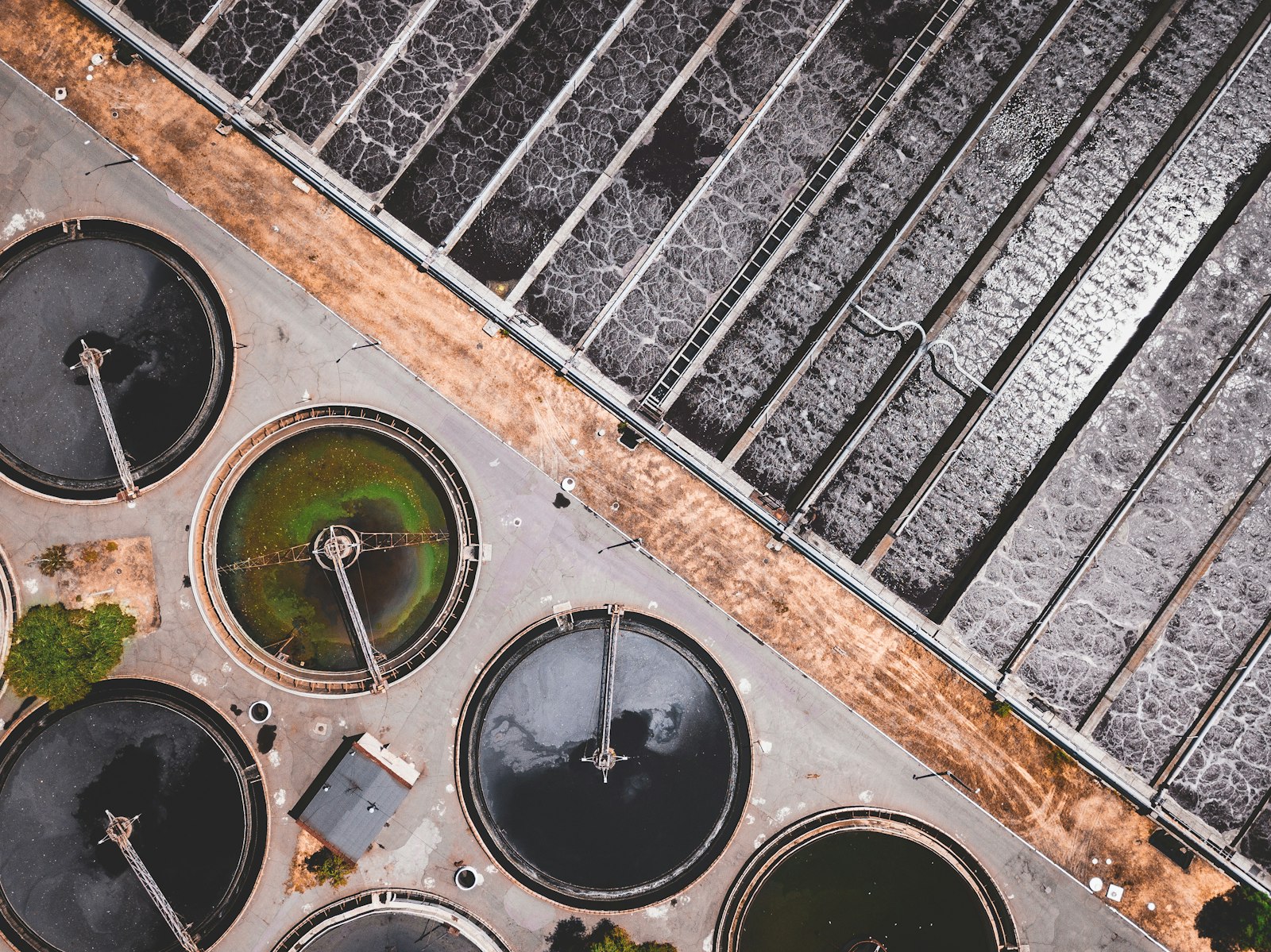
New York State — Governor Kathy Hochul's state has announced more than $453 million in water and sewer infrastructure funding that is now transitioning from planning and design phases into active procurement and construction throughout 2026. This represents a critical pipeline of municipal water and wastewater projects that will generate significant construction activity across all regions of the state.
According to Engineering News-Record, published January 2, 2026, the state funding is designed to allow municipalities to move forward with essential water infrastructure improvements without passing unsustainable costs to ratepayers and residents.
From Funding to Execution: 2026 Marks Procurement Year
"New Yorkers should not be burdened by rising water bills and outdated systems," Gov. Hochul stated when announcing the awards through the New York State Environmental Facilities Corporation (EFC). The grants are now allowing municipalities to enter procurement phases and secure labor and materials before costs escalate further.
The awards address a critical infrastructure challenge: many communities have operated water and wastewater systems beyond their original design capacity for years. State funding has closed financing gaps that previously delayed projects, allowing owners to press toward procurement and construction to stabilize pricing and secure skilled labor.
This represents a shift from the traditional funding announcement cycle. Rather than projects remaining in planning phases for years, the state's grant structure is specifically designed to accelerate execution. "The funding will support dozens of critically important infrastructure projects statewide, enhancing water quality while delivering long-term environmental and economic benefits," said New York Department of Environmental Conservation Commissioner Amanda Lefton.
Regional Breakdown: Four Distinct Infrastructure Markets
The $453 million is distributed across four distinct regions, each with unique infrastructure needs:
Western and Northern New York
This region accounts for the largest geographic share of funded work. Projects include treatment plant improvements, regional sewer expansions, and system rehabilitation initiatives. Several major awards are tied to multi-phase projects expected to generate successive bid packages over multiple construction seasons, providing sustained work opportunities rather than single-contract projects.
Hudson Valley and Lower Upstate Corridor
Multiple large wastewater treatment and conveyance projects are advancing through environmental review or late design phases, positioning them for bid release in early 2026. In many cases, state grants have been the deciding factor, closing financing gaps and allowing municipalities to pursue projects that would have remained indefinitely delayed.
New York City and Long Island
Long Island's award list is dominated by drinking water treatment projects targeting emerging contaminants such as PFAS (per- and polyfluoroalkyl substances) and 1,4-dioxane. These equipment-driven scopes can move efficiently from design through bidding to construction once designs are finalized. While NYC isn't listed among this funding round's recipients, its ongoing capital programs continue to define the state's largest and most complex water and wastewater construction market.
Capital Region and Mohawk Valley
Funding supports treatment plant modernization and corridor-scale transmission work along the Mohawk River. Several awards are tied to multi-phase capital programs rather than standalone repairs, ensuring long-term construction pipelines.
Albany County Executive Daniel P. McCoy highlighted the regional need: "The county's sewer infrastructure has been operating beyond its original design capacity. State funding will allow long-planned upgrades to move forward, making the system safer, more resilient, and prepared to meet current and future environmental standards."
Bidding Strategy and Procurement Timing
Across all regions, municipalities are breaking work into phased or discipline-specific bid packages to manage procurement risk, particularly for projects at active treatment facilities that can't afford downtime. This approach is expected to generate clustered bid packages through mid-2026 rather than consistent activity throughout the year.
For contractors, this creates both opportunity and competition: several municipalities are expected to release bid packages in clusters during peak procurement windows, potentially increasing competition during certain periods while creating sustained work opportunities across multiple seasons.
What This Means for Construction Industry
The $453 million represents a statewide commitment to water infrastructure modernization that will:
- Address aging infrastructure: Many systems have operated beyond design capacity for decades
- Reduce ratepayer burden: State grants eliminate need for municipalities to pass costs to residents and businesses
- Improve water quality: Projects target emerging contaminants like PFAS and support climate resilience
- Generate sustained work: Multi-phase projects provide backlog visibility across multiple construction seasons
- Support regional economies: Infrastructure work provides local construction jobs and economic activity
Timeline for 2026
Key dates for contractors and project managers:
- January–March 2026: Design finalization and procurement document preparation for Hudson Valley and Lower Upstate projects
- February–June 2026: Bid package releases clustered by region and discipline (design work continues for later-phase projects)
- Spring–Fall 2026: Early construction execution for bid-ready projects; continued procurement for subsequent phases
- Late 2026: Project visibility for 2027 and beyond as multi-phase programs define construction calendars
State Environmental Support
The Environmental Facilities Corporation (EFC) administers these water and sewer awards through programs designed to support municipal capital planning. Contractors and consulting engineers can access the EFC's project database to monitor upcoming bid opportunities and project timelines.
The awards point to a steady, statewide cadence of water and wastewater construction entering the market in 2026. The relevance for contractors lies not just in the headline funding total, but in understanding how projects are distributed by region, size, and execution readiness — factors that will shape bidding strategies and backlog planning throughout the year.
For Western New York contractors, particularly those focused on wastewater treatment and infrastructure work, the $453 million in state funding represents significant opportunity in 2026 as municipalities transition from planning to execution.
For related coverage of New York State infrastructure investment, see our previous reports on Rochester's $100M Inner Loop North transformation and Monroe County housing tax incentive expansion.
Let's connect
For organizations planning commercial, industrial, or infrastructure work, we will review the project and recommend the appropriate delivery approach.

Join our team
If you hold yourself to careful, accountable work, you already work the way we do.