

news +insights
Governor Hochul Announces $453M Water Infrastructure Grants for 83 NY Projects
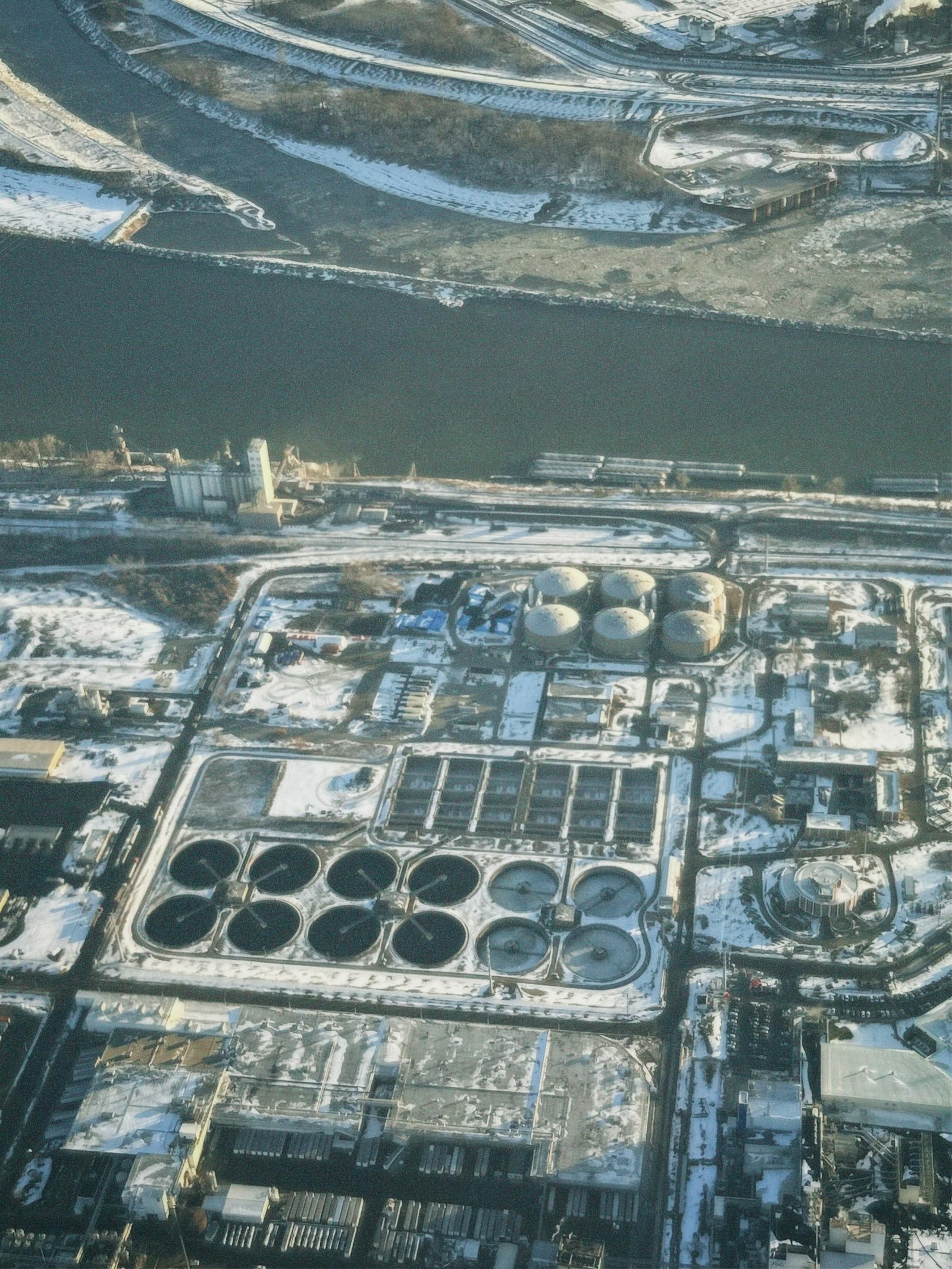
December 19, 2025 — Governor Kathy Hochul announced a landmark $453 million in grants for 83 critical water infrastructure projects across New York State. This comprehensive funding initiative—delivered through the Water Infrastructure Improvement (WIIA) and Intermunicipal Grant (IMG) programs—will modernize drinking water and sewer systems in communities throughout the state, with a particular focus on small, rural, and disadvantaged communities.
Breaking Down the $453 Million Investment
The statewide funding package is divided into two major categories:
- $227.3 million for 51 drinking water projects
- $225.8 million for 32 sewer infrastructure projects
According to the New York State Environmental Facilities Corporation (EFC), these grants will accelerate projects that protect public health, strengthen community resilience, and create 20,000 good-paying jobs across the state. The funding is designed to deliver critical financial relief to local governments managing aging water infrastructure—many systems built decades ago that now require significant upgrades to meet modern safety and capacity standards.
Rochester and Upstate New York Benefit From Major Allocations
Rochester area communities are direct beneficiaries of this initiative. The City of Rochester received $5 million to undertake the Hemlock Filter Plant Filter Rehabilitation Project, a critical upgrade to one of the city's key water treatment facilities. This project will improve water quality and treatment capacity for Rochester's residents and businesses.
Across the Finger Lakes region, other major recipients include:
- Monroe County — $730,000 for Frank E. VanLare Wastewater Treatment Plant improvements
- Batavia, City of — $12 million for Wastewater Treatment Plant Upgrades
- Kendall, Town of — $5 million for Water Benefit Area #11 improvements
- Watertown, City of — $36.7 million total across three major projects including a new water storage tank and transmission main replacement
Beyond the Rochester area, the statewide grants address water infrastructure needs in every region of New York—from Long Island to the North Country, and from the Hudson Valley to the Southern Tier.
Addressing Emerging Water Quality Threats
A significant portion of the funding targets enhanced grants for projects that protect drinking water from emerging contaminants—particularly PFAS (Per- and Polyfluoroalkyl Substances), also known as "forever chemicals." These substances have become increasingly concerning to public health officials and water managers nationwide.
Several communities received enhanced grants specifically for PFAS remediation:
- Village of Chatham — $5.02 million for new well source development to address PFAS contamination
- Village of Valatie — $5.53 million for a dedicated PFAS treatment facility
- Town of Varick — $5.3 million for sewer district improvements along Cayuga Lake
"New York has invested $6 billion in clean water infrastructure since 2017," stated NYSERDA leaders, "and this new allocation reinforces our commitment to protecting drinking water and supporting the communities that depend on it."
Why This Matters for New York's Construction Industry
Water infrastructure grants of this scale represent substantial opportunities for construction companies throughout the state. These projects—spanning water treatment plant rehabilitation, wastewater facility upgrades, transmission main replacement, and new storage tank construction—require experienced contractors, engineers, and project managers.
The 20,000 projected jobs include not only construction workers but also related positions in engineering, inspection, environmental testing, and project administration. For Upstate New York regions like Rochester, Buffalo, and Syracuse, these infrastructure investments strengthen the local economy while addressing critical public health needs.
The funding allocation also reflects a priority for smaller communities and rural areas—ensuring that water infrastructure investment reaches beyond major metropolitan areas.
Understanding the WIIA and IMG Programs
The Water Infrastructure Improvement and Intermunicipal Grant programs have been key drivers of New York's water system modernization. Unlike competitive grants requiring extensive applications, these programs distribute funding based on established criteria including:
- Age and condition of existing water infrastructure
- Population size (with emphasis on smaller communities)
- Disadvantaged community status
- Project readiness and environmental benefit
Communities receiving grants can typically begin detailed engineering and design phases immediately, with construction starting within 12-18 months for most projects.
Governor Hochul's Water Infrastructure Strategy
Governor Hochul's clean water and affordability agendas emphasize making water systems more resilient while controlling costs for residents. As stated by EFC officials, "these grants deliver on the Governor's commitment to helping small, rural and disadvantaged communities with their water infrastructure needs."
The timing of this December 2025 announcement reflects the state's preparation for the upcoming fiscal year and ensures that communities can begin planning and permitting processes during the winter months, positioning projects for spring groundbreaking and summer construction activity.
What Construction Professionals Should Know
For contractors and construction firms in Upstate New York, these announced projects represent significant bidding opportunities over the next 2-3 years. Municipalities receiving grants will begin the procurement process—issuing RFPs, selecting contractors, and scheduling work. Early knowledge of these projects allows experienced construction companies to:
- Prepare proposal teams and identify subcontractors
- Assess equipment and crew availability
- Develop project schedules
- Plan staging and logistics
Companies specializing in water treatment plant construction, sewer system rehabilitation, and drinking water infrastructure have particular opportunities with these projects.
Looking Ahead: Additional Water Funding Opportunities
Beyond the WIIA/IMG programs, New York also has other water infrastructure funding sources available through 2026, including:
- EPA Water Infrastructure Finance and Innovation Act (WIFIA) loans for large projects
- New York State Revolving Loan Funds with low interest rates
- Federal Infrastructure Investment and Jobs Act funding for specific project types
- NYSERDA Port Infrastructure funding (if water-related facilities qualify)
Communities and contractors should monitor EFC.ny.gov for upcoming solicitation announcements and Governor.ny.gov for additional infrastructure funding programs.
The Bottom Line
Governor Hochul's $453 million water infrastructure announcement represents a substantial state investment in one of New York's most critical public systems. For Rochester, upstate communities, and construction professionals throughout the region, these grants signal a multi-year pipeline of water system modernization projects. With 20,000 jobs projected and billions invested in clean water, New York's commitment to water infrastructure provides stability and opportunity for the construction industry while safeguarding public health and environmental quality.
Water infrastructure is essential infrastructure—and New York is investing accordingly to ensure communities have safe, reliable systems for decades to come.
For more information:



Let's connect
For organizations planning commercial, industrial, or infrastructure work, we will review the project and recommend the appropriate delivery approach.

Join our team
If you hold yourself to careful, accountable work, you already work the way we do.