

news +insights
Construction Workers Flee Site Over ICE Drone Fear
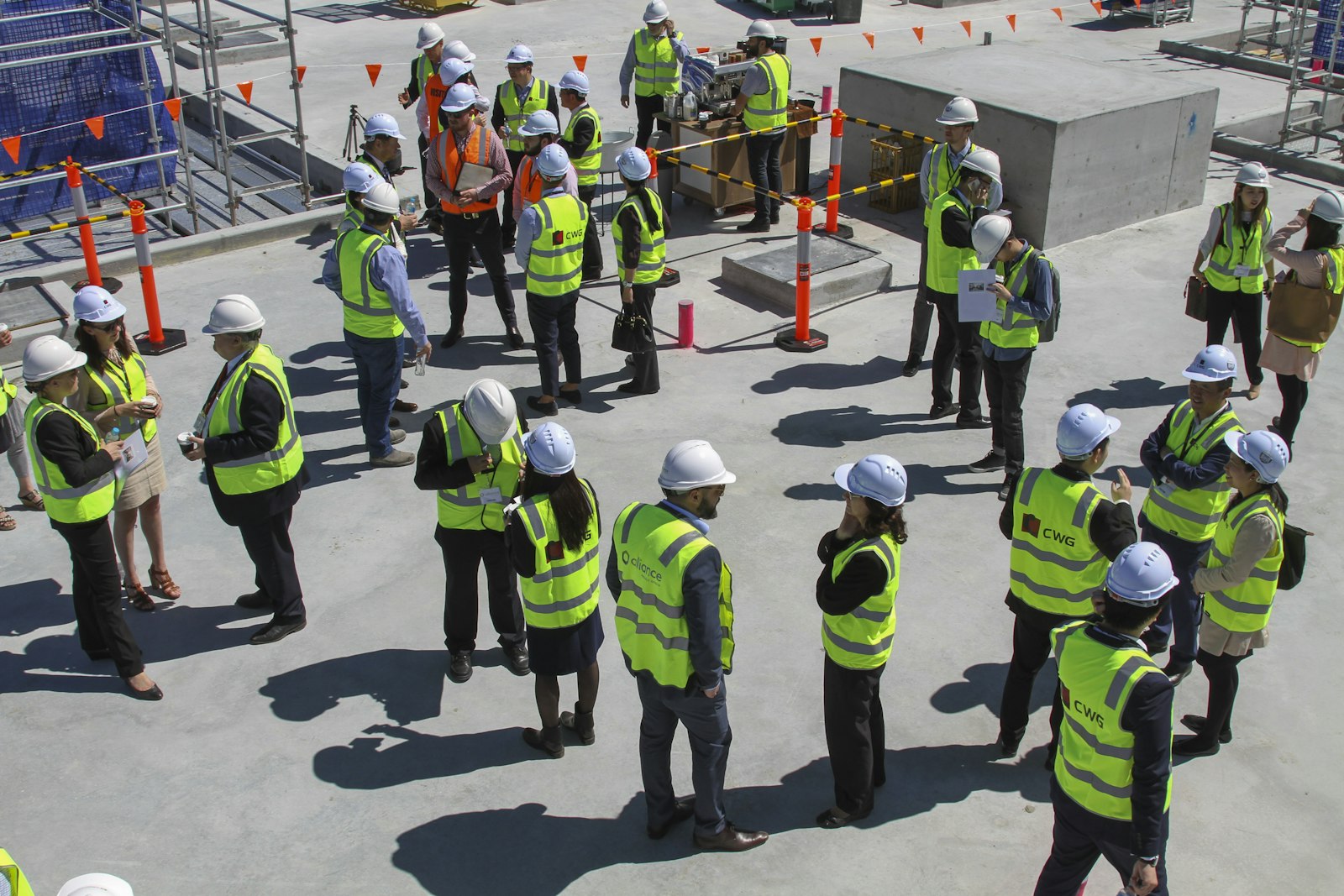
Immigration Enforcement Anxiety Reaches New Heights on Job Sites
A construction site in South Carolina erupted into chaos recently when several workers abruptly fled, believing an overhead drone belonged to Immigration and Customs Enforcement (ICE). The incident, captured in multiple viral videos, quickly spread across social media and reignited critical debate around immigration enforcement, labor conditions, and the construction industry's growing vulnerability to workforce disruptions.
The Incident: Worker Panic on the Job Site
According to multiple reports, the incident unfolded at a construction site in Columbia, South Carolina, around November 21, 2025. Viral videos posted to X (formerly Twitter) show workers hurriedly evacuating a residential construction site as a drone hovered overhead. In the footage, groups of men can be seen rushing off the property, glancing repeatedly at the aerial device, apparently fearful it was linked to federal immigration authorities.
One widely circulated clip was posted to the X account @ICEofTikTok, showing construction workers abandoning their posts and fleeing the site. A separate video filmed from the perspective of one of the workers shows a similar scene of men hurriedly escaping as the drone buzzed overhead. Whether both clips depict the same incident or separate encounters remains unclear—but the pattern is unmistakable: workers' fear of immigration enforcement is now triggering immediate job site evacuations.
Critical Detail: As of now, local authorities have not confirmed any ICE enforcement operations in the area, no detainments linked to the incident have been reported, and it remains unclear whether the drone actually belonged to ICE, was operated by another government agency, was privately owned, or was introduced by an unrelated party.
What This Means for Contractors
This incident exemplifies a larger crisis gripping the construction industry: the climate of fear surrounding immigration enforcement is creating real, measurable workforce disruptions—independent of actual enforcement activity.
Contractors nationwide increasingly rely on immigrant labor—both documented and undocumented—making even unverified sightings of enforcement tools enough to trigger mass panic and immediate site abandonment. This creates a compounding problem for project timelines, labor coordination, and predictability on job sites.
Real Impacts on Construction Operations:
- Immediate Productivity Loss: Workers fleeing sites mid-task abandon work in progress, creating delays and potential safety hazards.
- Misinformation Spread: Without clear employer communication channels, word-of-mouth and social media rumors rapidly escalate into mass panic.
- Reduced Workforce Reliability: Even documented workers live in fear, causing widespread absenteeism and reduced work output.
- Project Delays and Cost Overruns: Unexpected workforce evacuations force timeline adjustments and rework, driving up project costs.
Industry Impact and the Broader Labor Crisis
The construction industry has long operated with a critical dependency on immigrant labor. According to recent data, approximately one in three construction workers is foreign-born. Unverified immigration enforcement scares—like the South Carolina drone incident—demonstrate how quickly workforce stability can unravel.
Industry observers note that chaotic episodes like this highlight how misinformation can rapidly escalate on job sites—especially when workers rely on word-of-mouth or social media instead of structured employer communication. When workers cannot distinguish between verified threats and rumors, panic becomes inevitable.
Immigrant Advocacy Perspective: Immigration advocacy groups argue the incident underscores the climate of fear many workers operate under daily. The construction industry's reliance on immigrant labor—often undocumented—makes even unverified enforcement sightings enough to trigger mass panic and site evacuations.
Bigger Picture: Immigration Enforcement and Construction Economics
This incident comes amid heightened immigration enforcement activity and federal policy changes aimed at deportations. The Trump administration has increased ICE operations, and reports indicate that construction sites have been frequent targets of enforcement sweeps.
Key Facts on the Broader Crisis:
- In June 2025, ICE arrested over 100 people during a targeted enforcement operation at a construction site in Tallahassee, Florida.
- Construction sites have experienced multiple enforcement actions across the country, from Los Angeles area raids near major retailers to operations in St. Paul, Minnesota.
- A survey by the Associated General Contractors of America (AGC) found that 92% of construction firms struggle to fill positions, with 28% reporting they were directly affected by immigration actions in the past six months.
- Fear of enforcement—even without actual raids—is causing documented and undocumented workers to reduce output or cease showing up to work.
Growing Workforce Instability on Construction Sites
Ken Simonson, chief economist at AGC, noted that workforce disruptions from immigration enforcement create severe operational problems: "Firms say it's extremely disruptive when workers fail to show up or leave in the middle of a task. A building project is step by step. So it's fine if you get the foundation poured and the beams up to hold up the building. But if you can't put on the roof, you're not going to be able to finish things off."
The Economic Policy Institute projected that if the Trump administration meets its goal of deporting 4 million people by the end of 2028, the construction industry would lose 1.4 million immigrant workers—and there would be a net loss of 861,000 jobs among U.S.-born workers due to project delays and contractor shutdowns.
What Contractors Should Do Now
Establish Clear Communication Protocols: Contractors should work to create direct, reliable communication channels with workers about enforcement threats. Clear information helps distinguish between rumors and verified threats.
Document Workforce Composition: Ensure all employees have proper work authorization documentation on file and understand verification requirements.
Develop Contingency Plans: Create backup staffing strategies and subcontractor relationships to mitigate disruption from sudden workforce loss.
Monitor Policy Changes: Stay informed about federal immigration enforcement trends that could affect labor availability on your projects.
Looking Ahead: The Labor Crisis Deepens
The South Carolina drone incident represents a symptom of a larger disease: the construction industry's dependence on immigrant labor colliding with escalating immigration enforcement. Until comprehensive immigration reform provides clarity and legal pathways for immigrant workers, expect more incidents like this—with real, measurable impacts on project timelines, costs, and workforce stability.
For contractors managing projects nationwide, monitoring workforce stability and maintaining clear communication with employees has become as critical as materials procurement and safety protocols.
Sources: Construction Owners (November 30, 2025) | The Mirror (Cheyenne Ubiera, News Reporter) | X/@ICEofTikTok | Associated General Contractors of America (AGC) Survey 2025 | Economic Policy Institute Report July 2025 | Department of Homeland Security Statements 2025

Let's connect
For organizations planning commercial, industrial, or infrastructure work, we will review the project and recommend the appropriate delivery approach.

Join our team
If you hold yourself to careful, accountable work, you already work the way we do.