
news +insights
Buffalo Larkin District Six-Building Commercial Development Advances
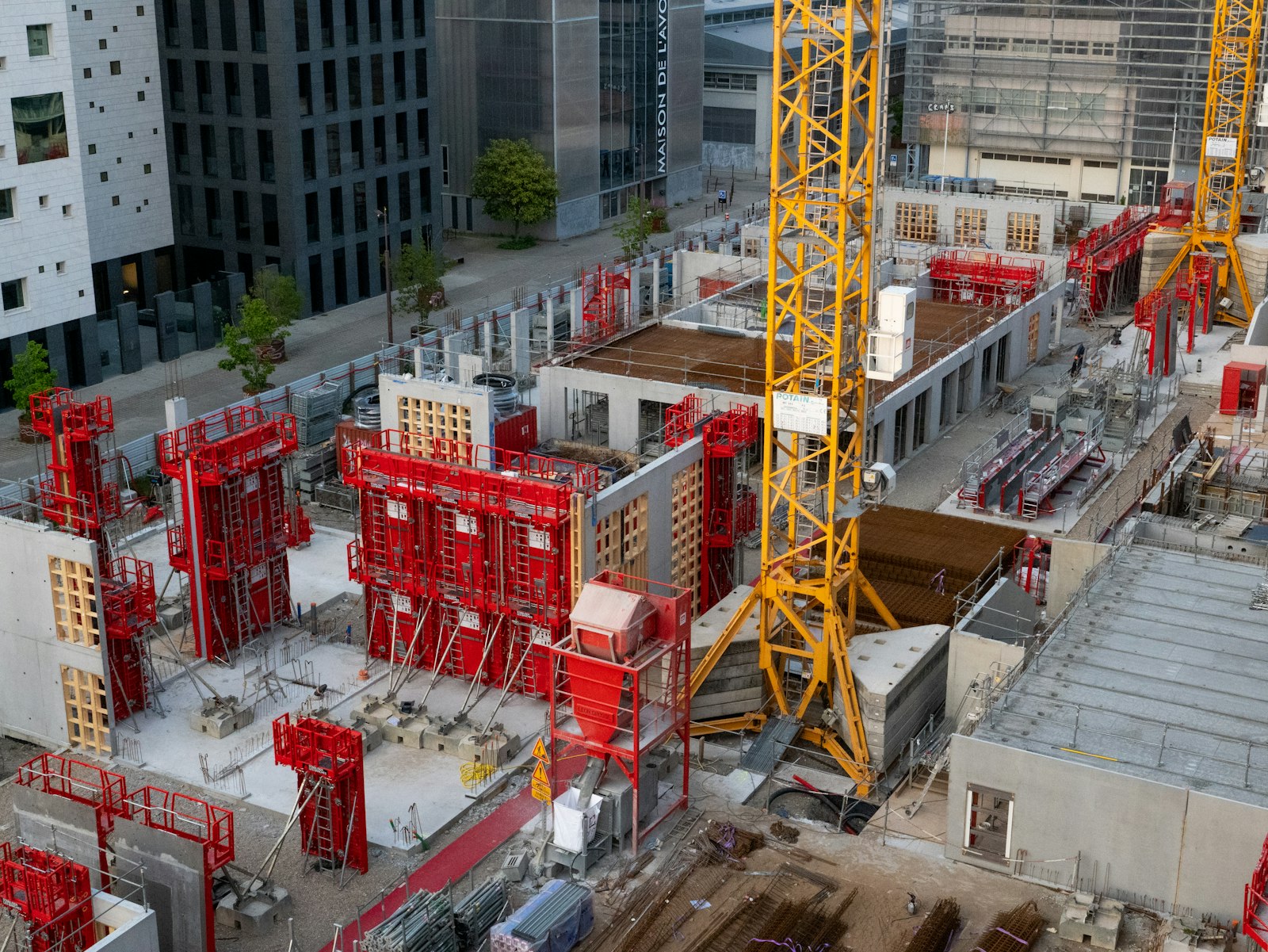
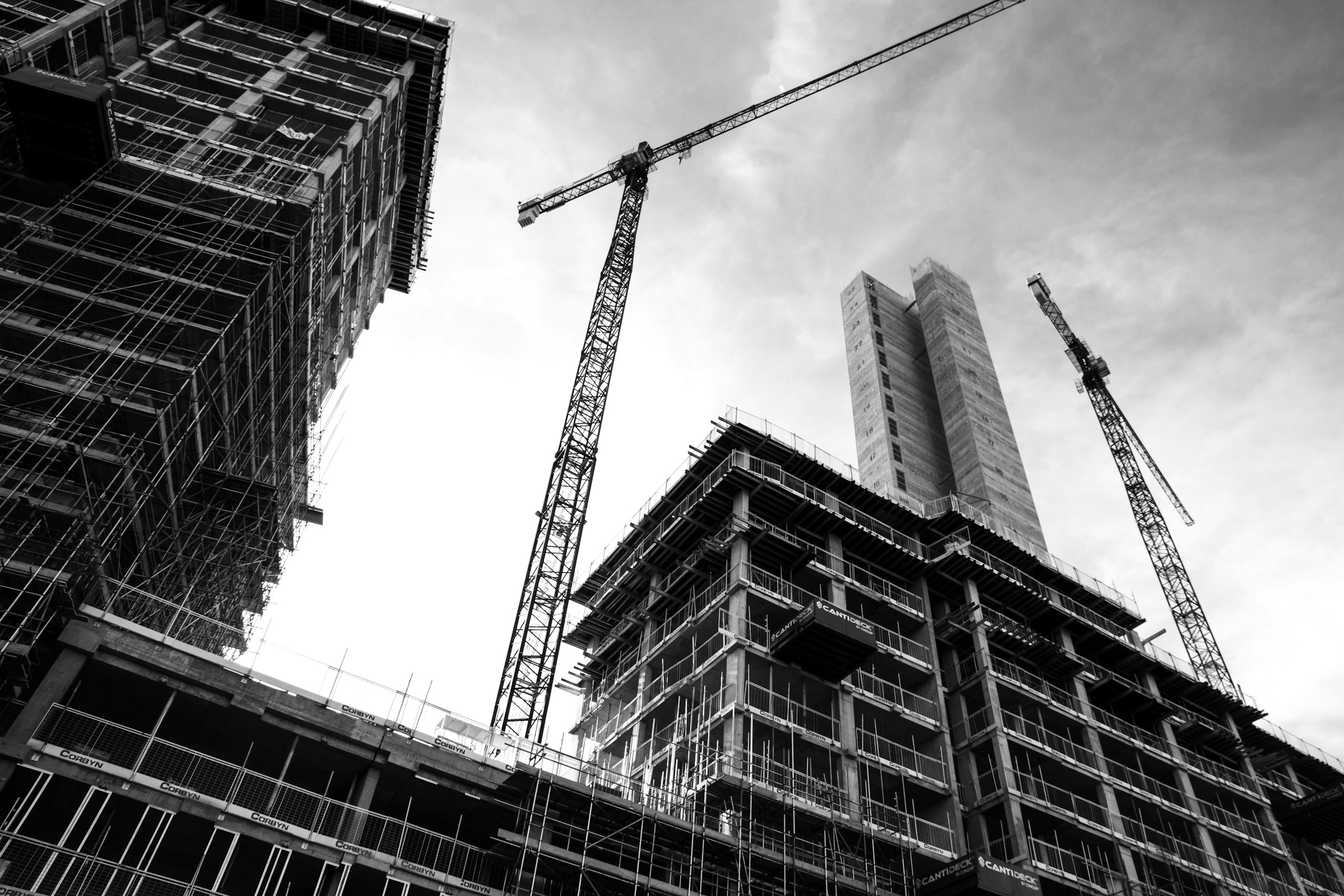
Buffalo, New York — Construction is steadily advancing on a multi-building commercial development along Seneca Street on the eastern edge of Buffalo's Larkin District, signaling continued reinvestment in one of the city's most active mixed-use corridors, according to reporting published December 24, 2025.
The project, led by Anchor Property Development, an affiliate of Buffalo Bungalow, is transforming formerly vacant parcels into flexible, small-scale commercial spaces designed to meet the evolving needs of the surrounding neighborhood. Four of the six planned two-story buildings are now in various stages of construction on properties at 935 and 945 Seneca Street and 936 and 966 Exchange Street, just east of Smith Street in the heart of the Larkin District's revitalization zone.
Project Overview and Commercial Space Design
The six-building development introduces a model of adaptive, neighborhood-serving commercial architecture. Each of the six buildings contains approximately 1,008 square feet of interior space and has been designed to accommodate a potential mezzanine loft, providing tenants with additional usable square footage if needed. This flexible layout allows the spaces to support a range of business types — from food and beverage concepts to personal services, creative offices, and specialty retail.
The design reflects the character and evolving needs of the surrounding neighborhood while supporting the growing daytime population associated with nearby offices, light industrial spaces, and residential developments throughout the Larkin District. By creating small-scale, accessible retail spaces, the project encourages local entrepreneurship and attracts neighborhood-serving businesses that strengthen the district's vitality.
Architectural Design and Urban Planning
The project was designed by Greenman-Pedersen Inc., with architectural elements that balance durability and contemporary aesthetics. Exterior materials include aluminum vertical siding, metal panel roofing, and wood-framed entrance canopies, creating a modern industrial look that complements the broader architectural language of the Larkin District.
Site planning includes 15 shared parking spaces located behind the buildings, maintaining street-facing storefronts while preserving functionality for tenants and customers. The development team has emphasized pedestrian-oriented design, reinforcing the district's walkable environment and strengthening connections between Seneca Street, Exchange Street, and nearby commercial nodes.
Current Tenant Activity and Economic Impact
Tenant activity is already helping activate the corridor, demonstrating the market demand for neighborhood-serving businesses in this location. Artigiana, an Italian bakery, has opened at 935 Seneca Street, bringing fresh food offerings and foot traffic to the area. The bakery's presence exemplifies the type of quality, locally-focused business that the Larkin District is attracting as reinvestment accelerates.
Additional tenants have been announced and are under development:
- 49 Coffee House and Eatery: Expected to bring coffee, casual dining, and daytime foot traffic to activate the corridor.
- Arrowhead Salon: A personal services business that will serve both residents and daytime workers in the area.
These diverse tenants will further strengthen the mix of neighborhood-serving businesses once their spaces are completed and occupied, creating a vibrant street-level environment that supports both local residents and workers.
Larkin District Revitalization Context
The Seneca Street project reflects continued confidence in Buffalo's small-scale commercial development market and the Larkin District's trajectory as a growing hub for business, dining, and community life. By transforming long-vacant lots into active storefronts, the development contributes to economic activity, supports local entrepreneurship, and reinforces the Larkin District's role as a key economic and cultural center.
The Larkin District has undergone significant transformation over the past decade, evolving from a largely underutilized industrial area to a mixed-use neighborhood with offices, light industrial operations, residential lofts, and increasingly, ground-floor retail and restaurants. This Seneca Street project exemplifies how targeted commercial development can activate streetscapes and support the district's continuing evolution.
What This Project Means for Buffalo Construction
For construction professionals in the Buffalo region, the Seneca Street project represents both current work and an indicator of sustained market demand for commercial development. The phased approach of completing one building at a time while others are in construction allows for adaptive tenant recruitment, providing flexibility as market conditions and tenant demand evolve.
The project's success also demonstrates the viability of small-scale commercial development in Buffalo's emerging neighborhoods. Rather than focusing exclusively on large mixed-use towers, developers are increasingly recognizing the demand for smaller, neighborhood-focused retail and service spaces that are more accessible to local entrepreneurs and more deeply integrated with neighborhood character.
Development Momentum in the Larkin District
As construction progresses on the remaining buildings, the Seneca Street project reinforces the Larkin District's transformation into a destination for business investment, cultural activity, and neighborhood life. The combination of affordable real estate, accessible street-level commercial space, and growing residential population has created a compelling value proposition for both entrepreneurs and larger businesses seeking to establish a presence in Buffalo.
For more on Buffalo development and construction projects, see our coverage of Buffalo's $10M East Side Building Fund awards to 35 commercial development projects.
Additional information on the Larkin District and Buffalo development opportunities is available from the City of Buffalo and regional development organizations.

Let's connect
For organizations planning commercial, industrial, or infrastructure work, we will review the project and recommend the appropriate delivery approach.

Join our team
If you hold yourself to careful, accountable work, you already work the way we do.